
Table of Contents
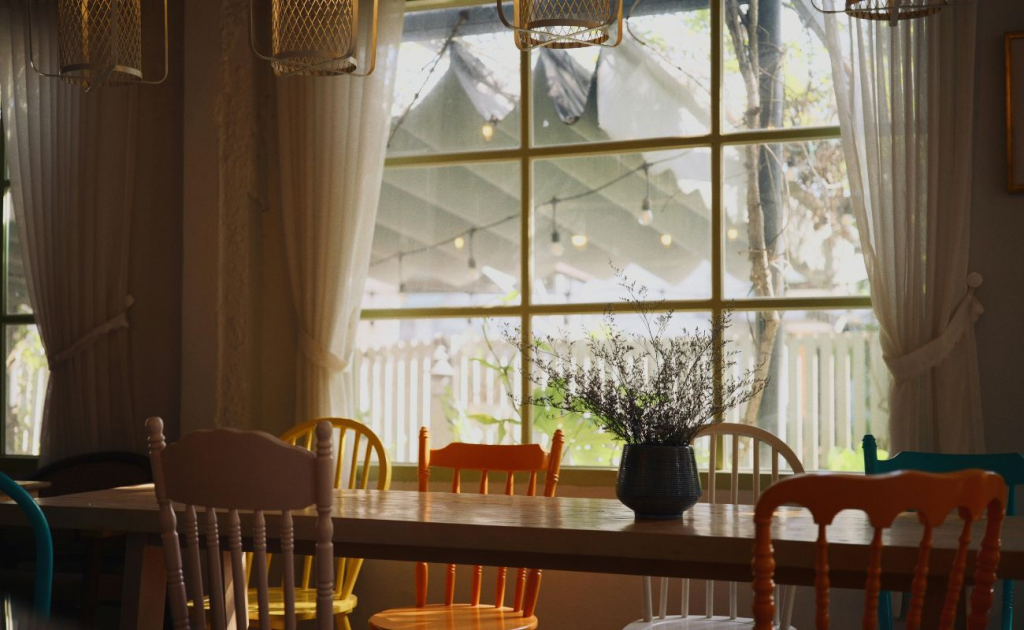
The dining room holds a special place in our homes. It’s where we celebrate holidays, host dinner parties, share everyday meals with family, and create memories around the table. The right curtains can transform this space from merely functional to truly memorable.
Dining room curtains need to accomplish something unique: they must look elegant enough for special occasions while remaining practical for daily life. They should enhance the dining experience through thoughtful light control and add visual warmth that makes guests want to linger.
In this guide, we’ll explore how to choose curtains that elevate your dining room—whether you’re dressing a formal space for entertaining or creating a cozy breakfast nook for family meals.
What Makes Dining Room Curtains Different
Dining rooms have unique requirements that set them apart from other spaces:
Light Control for Ambiance
Good lighting is essential to dining. You want natural light for Sunday brunch, soft filtered light for lunch, and the ability to create intimate candlelit ambiance for dinner. Your curtains should give you control over these transitions.
Setting a Mood
More than any other room, dining spaces are about mood. Curtains contribute significantly—rich fabrics create formality and warmth, while lighter options feel casual and fresh. Your choice sets expectations for the experience.
Practical Considerations
Dining rooms are near kitchens, which means potential exposure to cooking odors and occasional splashes. Fabrics should be reasonably easy to clean and maintain.
Best Fabrics for Dining Room Curtains
Velvet for Drama
Nothing creates dining room drama quite like velvet. Its rich texture absorbs light beautifully, creating a cozy, intimate atmosphere perfect for evening entertaining. Deep burgundy, forest green, or navy velvet curtains turn any dinner into an event.
Silk for Elegance
Silk drapes catch candlelight like no other fabric, adding a subtle shimmer that elevates formal dining spaces. They’re luxurious but require careful maintenance—best for formal dining rooms used primarily for entertaining.
Linen for Relaxed Sophistication
For dining spaces that balance everyday use with occasional entertaining, linen offers the perfect compromise. It’s sophisticated yet approachable, easy to maintain, and works year-round. Linen’s texture adds visual interest without formality.
Cotton for Versatility
Cotton curtains are practical, washable, and available in endless colors and patterns. They work for both formal and casual dining rooms depending on the style and color you choose.
Choosing Colors for Your Dining Room
Deep, Rich Tones
Burgundy, deep plum, forest green, and navy create intimate, cocooning spaces ideal for evening dining. These colors make rooms feel smaller and cozier—perfect for dinner parties where you want guests to feel embraced by the space.
Warm Neutrals
Warm taupe, soft gold, and rich cream work beautifully in dining rooms used throughout the day. They’re elegant without being heavy and coordinate easily with seasonal table settings.
Bold Patterns
Dining rooms are excellent places for pattern—damasks, large-scale florals, or geometric designs add personality and visual interest. Since you’re not spending extended periods here, bold patterns don’t overwhelm.
White and Light Colors
White or light curtains brighten dining rooms and work well for breakfast areas or spaces used primarily during the day. They create a fresh, clean aesthetic perfect for casual family dining.
Dining Room Curtains by Style
Formal Dining Room
Choose floor-length drapes in rich fabrics like velvet or silk. Pinch-pleat headers and decorative hardware add formality. Layer with sheers for daytime elegance. Consider deep colors that create intimacy for evening entertaining.
Casual Dining Space
Linen or cotton in lighter colors keeps things relaxed. Simple grommet or back tab headers feel unfussy. These spaces can handle patterns and more playful colors.
Breakfast Nook
Cafe curtains or Roman shades work well in breakfast areas, allowing light while providing privacy. Choose cheerful colors or patterns that brighten morning meals.
Open-Concept Dining
When your dining area is open to the living room or kitchen, curtains should coordinate across the space. Use the same fabric and color family for cohesion, even if window sizes differ.
Practical Tips for Dining Room Curtains
Consider Cleaning Ease
Dining rooms are near kitchens and food. Choose fabrics that can be cleaned—machine-washable cotton, spot-cleanable polyester, or lined drapes that protect delicate outer fabrics.
Think About Length
Floor-length curtains are traditional for dining rooms, but in casual spaces or areas with radiators or furniture against windows, consider just-above-the-floor lengths or Roman shades.
Layer for Versatility
A layered setup—sheers under heavier drapes—gives you maximum flexibility. Open the drapes for casual meals, close them for intimate dinners, adjust sheers for perfect light control.
Coordinate with Table Settings
Your curtains will be the backdrop to every table setting. Choose colors and patterns that complement your dishes, linens, and centerpieces rather than competing with them.
Set the Stage for Memorable Meals
Dining room curtains do more than dress windows—they set the stage for every meal, from quiet family breakfasts to festive holiday dinners. The right choice creates an atmosphere that makes food taste better and conversation flow more easily.
Whether you choose dramatic velvet for formal entertaining, relaxed linen for everyday elegance, or practical cotton for family-friendly function, invest in curtains that make your dining room a place where people want to gather, linger, and return.
Ready to elevate your dining room? The Curtain USA offers custom dining room curtains in fabrics from practical to luxurious. Contact us for a free consultation and fabric samples.