Table of Contents
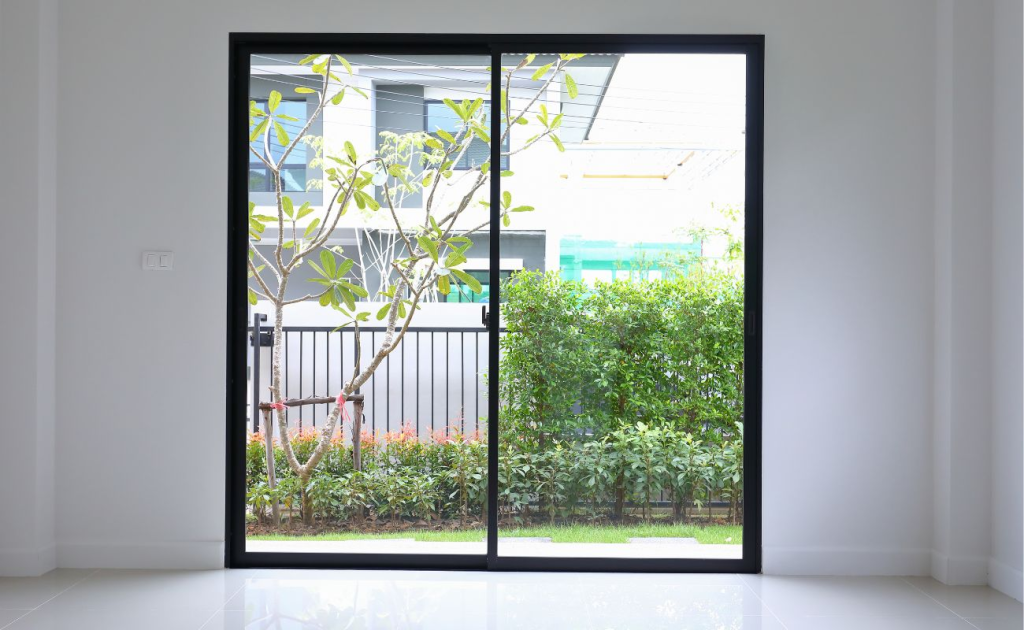
You want window treatments for sliding glass doors that look good, move easily, and solve real problems like glare, privacy, and heat. The trick is picking a style that fits the way you use the door. This guide breaks down the best options, how to choose them, and what to watch out for so you’re happy every time you slide that door open.
Why Sliding-Glass Doors Need Their Own Game Plan
A sliding door isn’t a regular window. It’s a busy doorway, a wide span of glass, and a heat and light magnet. You need coverage that:
- Glides without snagging
- Clears the handle and trim
- Controls light from morning to sunset
- Protects floors and furniture from fading
- Adds privacy without making the room feel boxed in
Let’s walk through the winners.
The Best Window Treatments for Sliding Glass Doors
Below are the go-to styles, how they work, and when you’d pick each one.
1) Panel Track Shades (a.k.a. Sliding Panels)
- What they are: Wide fabric panels that slide on a low-profile track and stack neatly to one side (or split in the center).
- Why you’ll like them: Clean, modern look. Tons of fabrics—sheer to blackout. Great for large spans.
- Best for: Open-concept rooms, contemporary spaces, doors with heavy daily traffic.
- Good to know: Measure for handle clearance. Pick the stack side that keeps the opening free on your busiest path.
2) Vertical Cellular Shades (Honeycomb, Vertical Orientation)
- What they are: Energy-saving pleats turned vertical so they glide like a curtain.
- Why you’ll like them: Top pick for insulation and sound dampening. Smooth track, tight stack, cordless options.
- Best for: Hot or cold rooms, east/west exposures, TV rooms where glare is annoying.
- Good to know: Light-filtering fabrics soften daylight; blackout blocks it when you need sleep or movie time.
3) Fabric Drapery (Pinch Pleat, Ripplefold, Grommet)
- What they are: Classic panels that slide on a rod or track.\
- Why you’ll like them: Big style impact, amazing light control with the right lining, easy to later over a shade.
- Best for: Adding softness, sound absorption, and height (hang high to lift the room).
- Good to know: Use a baton for smooth slides. Choose a track over rings if you want easier daily use.
4) Sheer Verticals (Sheer + Vanes)
- What they are: Soft fabric vanes wrapped in sheers that rotate for view or privacy.
- Why you’ll like them: Daytime glow, nighttime privacy, elegant hotel vibe.
- Best for: Living rooms and dining rooms where you want light without feeling exposed.
- Good to know: Great middle ground between drapes and blinds.
5) Vertical Blinds (Vinyl or Fabric Vanes)
- What they are: Classic vanes that rotate and slide.
- Why you’ll like them: Budget-friendly, easy to replace a damaged vane, simple to clean.
- Best for: Rentals, busy households with kids or pets.
- Good to know: Choose fabric or embossed styles if you want a softer, less “office” look.
6) Over-Door Roller Shade (Single Wide Shade Above the Frame)
- What it is: A wide roller shade mounted above the door that drops down over the glass.
- Why you’ll like it: Minimal hardware on the doorway, great for modern spaces, optional fascia for a finished look.
- Best for: Doors you open less often, or when you want a very clean line.
- Good to know: Mount high and wide so the fabric clears the handle and the shade doesn’t rub the door.
How to Choose Window Treatments for Sliding Doors: 9 Things That Matter
Use this checklist to lock in the right pick for your space and how you use it.
- Traffic Flow
Decide where you want the stack: left, right, or split. Put the stack on the side you use less so the main opening stays free. - Light Control
- Sheer: soft daylight and view.
- Light-filtering: glare control without going cave-dark.
- Blackout: sleep, media rooms, or hard west sun.
- Privacy
Street-level doors or neighbors nearby? Look at light-filtering or privacy sheers. Blackout if you need maximum coverage at night. - Heat + Energy
Vertical cellular shades shine here. They help hold in conditioned air and tame hot glass. - Style
Modern? Panel track or roller. Classic? Drapery or soft sheers. Transitional? Sheer verticals or fabric vertical blinds. - Kids + Pets
Go cordless or motorized. Tougher fabrics and vinyl vanes handle paw prints and sticky fingers. - Door + Handle Clearance
Measure the handle depth. Outside mounts give you space. Low-profile tracks avoid bumps. - Room Size + Ceiling Height
Mount higher and extend wider to make the door feel taller. Slim stacks keep space feeling open.
Quick Picks: Match the Problem to the Fix
- Glare on TV or screens: Light-filtering panel track or vertical cellular.
- Blazing afternoon sun: Blackout vertical cellular or lined drapery.
- Need daytime privacy with daylight: Sheer verticals.
- Busy doorway with kids and pets: Cordless vertical blinds or panel track in performance fabric.
- Sound bounce in a hard-surface room: Drapery or cellular for softness.
- Small room, want a clean look: Over-door roller or slim panel track.
- Smart home setup: Motorized panel track or cellular with app control and schedules.
Design Moves That Make Sliding-Door Treatments Look Custom
- Go wall-to-wall when you can. Wider hardware makes the door feel larger and gives panels space to stack off the glass.
- Hang high. Mount just below the ceiling or crown to add height and drama.
- Add a valance or fascia. Hides the track or roller and gives a built-in look.
- Layer it. A simple roller for function plus side drapery for softness is a strong combo.
- Repeat a texture. Match panel fabric to nearby roman shades or drapery for a pulled-together space.
Measuring & Install Tips for a Smooth Slide
Outside Mount (most common for sliding doors)
- Width: Measure the door trim edge-to-edge, then add 6–10 inches total (3–5 inches per side) so fabric fully clears the glass.
- Height: Measure from the top where you’ll mount (often above trim) to the floor. Subtract a small break gap so fabric doesn’t drag (about ½ inch for tracks; ¾–1 inch for drapery).
- Handle Check: Measure how far the handle projects. Pick brackets or a headrail that clears it.
Inside Mount (for recessed doors)
- Make sure the recess is deep enough for the headrail. Check manufacturer depth specs before you buy.
Hardware Choices
- Tracks vs. rods: Tracks glide better for daily use. Rods work fine for lighter drapery.
- Split-stack vs. one-way: Split looks symmetrical; one-way keeps the main opening free on one side.
- Finishing touches: Return pieces on valances block side light and look more finished.
Care, Cleaning, and Everyday Use
- Panel track & vertical blinds: Dust with a microfiber wand; spot clean with mild soap and water.
- Cellular fabrics: Vacuum with a brush attachment; avoid soaking.
- Drapery: Regular vacuuming; dry clean lined panels when needed.
- Tracks: Wipe occasionally and keep debris out so glides stay smooth.
- Motorization: Replace or charge batteries as needed; many systems offer plug-in or hardwire options.
Budget Builder: Where to Spend vs. Save
- Spend on: Smooth hardware, motorization if you’ll open/close daily, energy-saving fabrics for hot/cold rooms.
- Save on: Simple valances instead of full cornices, standard fabrics over designer prints, manual operation in low-use rooms.
Style Ideas You Can Copy Today
- Cozy coastal: Sheer verticals with a soft, sandy tone + woven side panels.
- Modern minimal: White panel track with a slim fascia; no puddling, no fuss.
- Warm traditional: Lined, pinch-pleat drapery layered over a light-filtering roller above the door.
- Family-friendly: Performance fabric panel track in a mid-tone that hides smudges, cordless or motorized.
Ready to Dress Your Doors?
Pick the style that matches how you live, not just how it looks in a photo. If you want set-and-forget comfort, go motorized. If you want energy savings, go vertical cellular. If you want clean lines, go panel track. You’ll get privacy when you want it, light when you need it, and a smooth slide every single day.
Bonus: Fast Checklist
- Choose stack side (left, right, split)
- Pick light level (sheer, light-filtering, blackout)
- Check handle depth and trim
- Measure wide and high for full coverage
- Decide on manual vs. motorized
- Add a fascia or valance for a finished look
- Plan fabric care based on kids/pets