Table of Contents
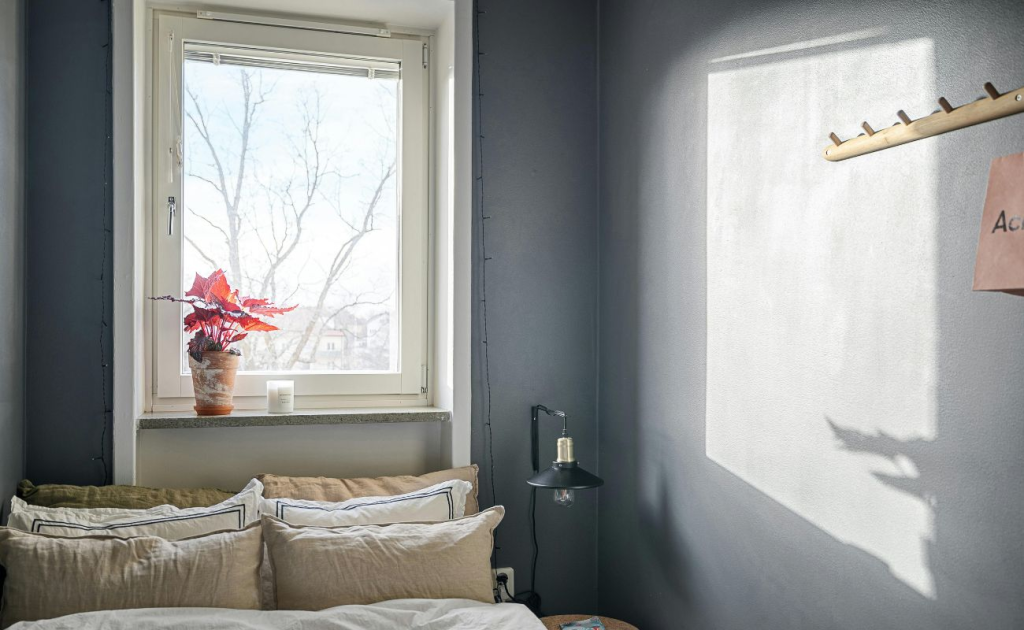
Living in a small space doesn’t mean sacrificing style—but it does require strategic design choices. One of the most impactful (and often overlooked) ways to make a small room feel larger is through thoughtful curtain selection.
The right curtain color can visually expand walls, create the illusion of higher ceilings, and bring light into cramped quarters. The wrong choice? It can make an already cozy room feel claustrophobic.
In this guide, we’ll share interior designer secrets for choosing curtain colors that maximize the feeling of space in small rooms, apartments, and compact homes.
The Best Curtain Colors for Small Rooms
1. White and Off-White
White curtains are the gold standard for small spaces. They reflect light, blend with walls, and create an airy, open feeling. Choose from bright white for a crisp, modern look, or opt for softer ivory and cream tones for warmth.
Best for: Rooms that need maximum brightness and an expansive feel
2. Light Gray
Light gray curtains offer a sophisticated alternative to white while maintaining the space-expanding benefits. Gray tones add subtle depth without visual weight, making them ideal for contemporary small spaces.
Best for: Modern apartments and rooms where white feels too stark
3. Soft Pastels
Pale blush, soft sage, powder blue, and lavender can add personality to small rooms without overwhelming them. These colors reflect light almost as well as white while bringing warmth and character.
Best for: Bedrooms, nurseries, and spaces that need a gentle pop of color
4. Wall-Matching Colors
One of the most effective tricks for small rooms is choosing curtains that match your wall color exactly or vary by just a shade. This technique blurs the boundaries between walls and windows, making the room feel continuous and larger.
Best for: Any small room where you want a seamless, expansive look
5. Sheer and Semi-Sheer Options
Sheer curtains in any light color maximize natural light flow while providing soft privacy. They’re particularly effective in small rooms because they don’t create visual barriers like opaque fabrics.
Best for: Living rooms, dining areas, and rooms with beautiful views
Curtain Colors to Avoid in Small Rooms
While personal style should always have the final say, certain colors tend to make small spaces feel even smaller:
- Dark colors (black, navy, dark brown): Absorb light and visually close in the room
- Bold, saturated hues: Draw attention and create visual weight
- High-contrast colors: Colors that strongly contrast with walls emphasize boundaries
That said, rules are made to be broken. A small room with excellent natural light might handle darker curtains beautifully—context matters.
Beyond Color: Other Tips for Small Room Curtains
Hang Curtains High
Mount curtain rods as close to the ceiling as possible, even if your windows are lower. This draws the eye upward and creates the illusion of taller ceilings. Floor-to-ceiling curtains can make a 8-foot ceiling feel like 10 feet.
Go Wide
Extend your curtain rod 6-12 inches beyond each side of the window frame. This makes windows appear larger and allows you to stack curtains beside the glass (rather than covering it) for maximum light.
Choose Vertical Stripes
If you want pattern in a small room, vertical stripes are your friend. They lead the eye upward, emphasizing ceiling height and creating a sense of spaciousness.
Avoid Heavy Fabrics
Lightweight linens, cottons, and sheers feel airy and light. Heavy velvet and brocade, while luxurious, can overwhelm small spaces.
Keep Patterns Small or Skip Them
Large-scale patterns can dwarf a small room. If you love patterns, choose small-scale prints or subtle textures. Solid colors are generally the safest choice for maximum space illusion.
Best Curtain Colors by Room Type
Small Bedroom
Opt for soft, calming colors like white, pale gray, or blush. If you need blackout functionality, choose white or light-colored blackout curtains with a light-colored backing to maintain the airy feel during the day.
Compact Living Room
Match your curtains to your wall color or go a shade lighter. Sheer white or ivory curtains work beautifully in small living rooms where you want to maximize natural light.
Tiny Kitchen
White cafe curtains or simple Roman shades in light colors keep small kitchens feeling fresh and open. Avoid long curtains that might interfere with cooking or collect kitchen odors.
Small Bathroom
Light-filtering options in white, cream, or pale aqua enhance the spa-like feel of small bathrooms while providing privacy. Moisture-resistant fabrics are essential.
Frequently Asked Questions
Should curtains be lighter or darker than walls?
For small rooms, curtains should be the same shade or lighter than your walls. Darker curtains create contrast that emphasizes the room’s boundaries and can make spaces feel smaller.
Do white curtains make a room look bigger?
Yes! White curtains reflect light and blend with most wall colors, creating a seamless, expansive appearance. They’re one of the most effective choices for visually enlarging a small room.
Can I use dark curtains in a small room?
You can, but proceed with caution. Dark curtains can make small rooms feel smaller and heavier. If you love dark curtains, ensure your room has excellent natural light and keep other elements light and minimal.
Create Space with Strategic Color Choices
The right curtain color can be transformative for small rooms. By choosing light, airy hues that blend with your walls and maximize natural light, you can create the illusion of a much larger space.
Remember: hang high, extend wide, and let light flow freely. With these strategies, even the coziest room can feel open and inviting.
Need help choosing curtains for your small space? The Curtain USA offers free consultations to help you find the perfect window treatments. Contact us today!