Table of Contents
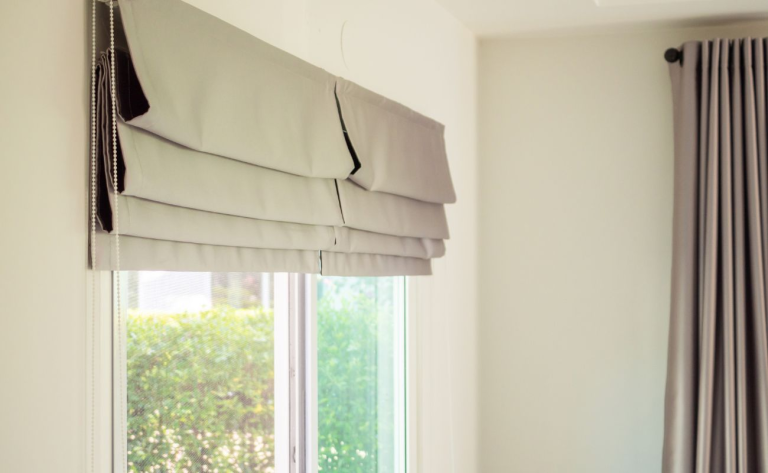
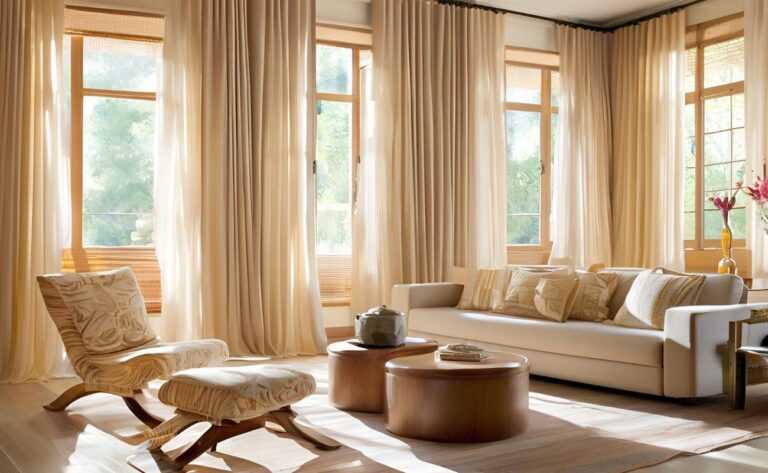
When it comes to window treatments, two options consistently top homeowners’ lists: Roman shades and curtains. Both offer beauty and functionality, but they achieve it in very different ways. Roman shades provide a clean, tailored look with space-saving design. Curtains bring softness, drama, and a more traditional aesthetic.
So which is right for your home? The answer depends on your space, your style, your practical needs, and your budget. In this comprehensive comparison, we’ll break down the pros and cons of each option to help you make the best choice for every room in your home.
What Are Roman Shades?
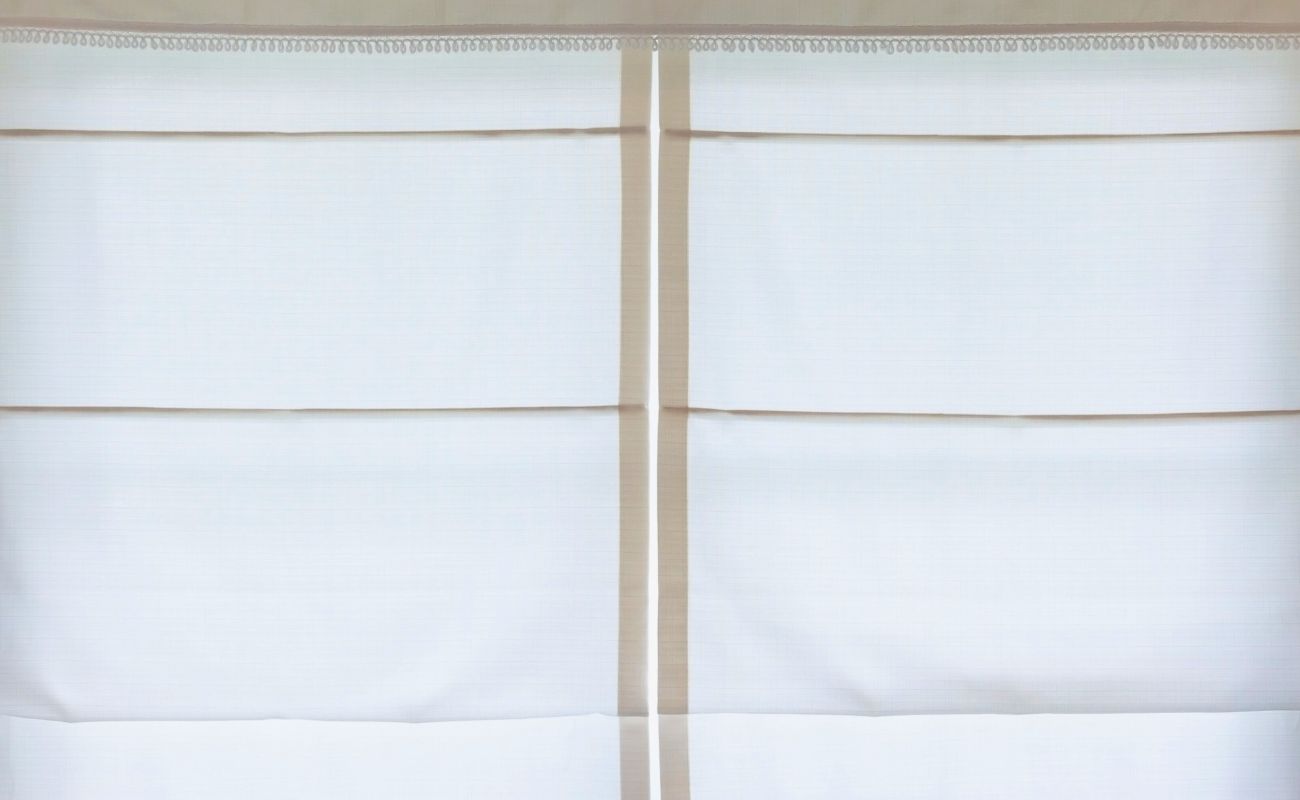
Roman shades are fabric window coverings that raise and lower via a cord, chain, or motorized mechanism. When raised, the fabric folds neatly at the top of the window. When lowered, they lay flat (or with soft folds, depending on style) against the glass.
Roman shades come in several styles:
- Flat/Classic: Smooth when lowered, with horizontal folds when raised
- Hobbled/Soft Fold: Cascading folds visible even when lowered
- Relaxed/European: Curved bottom edge for a softer look
- Balloon: Gathered fabric for a romantic, billowy appearance
What Are Curtains?
Curtains (also called drapes or draperies) are fabric panels that hang from a rod above the window. They open by sliding horizontally along the rod or being tied back to the sides. Curtains typically extend from near the ceiling to the floor, creating a dramatic vertical line.
Curtains come in endless styles, from sheer and flowing to heavy and opaque, with various header types (rod pocket, grommet, pinch pleat, tab top) that affect how they hang and operate.
Roman Shades: Pros and Cons
Advantages of Roman Shades
- Space-saving: Stack neatly at the top, ideal for smaller rooms and tight spaces
- Clean lines: Tailored appearance suits modern and minimalist interiors
- Inside mount option: Can fit within the window frame for a streamlined look
- Adjustable light control: Can be raised to any height for precise light adjustment
- Less fabric: Uses less material than full curtains, which can reduce cost
- Safe for tight spots: Won’t blow over stoves, into bathtubs, or near furniture
Disadvantages of Roman Shades
- Mechanical parts: Lift mechanisms can wear out or break over time
- Custom sizing often required: Must fit window precisely, limiting off-the-shelf options
- Professional cleaning: Most require dry cleaning due to internal mechanisms
- Less dramatic: Don’t create the same visual impact as floor-length curtains
Curtains: Pros and Cons
Advantages of Curtains
- Visual impact: Floor-to-ceiling panels create drama and make rooms feel taller
- Softness: Add warmth and acoustic dampening to rooms
- Flexibility: Endless fabric choices, colors, and patterns
- Easy to change: Swap out panels seasonally or when redecorating
- Simple operation: No mechanisms—just slide open and closed
- Machine washable options: Many curtains are easy to launder at home
Disadvantages of Curtains
- Take up space: Even when open, curtains occupy wall space on either side
- Dust collectors: Large fabric panels can accumulate dust and allergens
- Not ideal everywhere: Floor-length panels don’t work near heat sources or in bathrooms
- Less precise light control: Typically open or closed, without in-between adjustments
Side-by-Side Comparison
Best for Small Spaces
Winner: Roman Shades — Their compact design maximizes space in small rooms
Best for Creating Drama
Winner: Curtains — Floor-length panels add height and grandeur
Best for Kitchens/Bathrooms
Winner: Roman Shades — Stay put, away from water and heat
Best Budget Option
Winner: Curtains — More affordable ready-made options available
Best for Formal Rooms
Tie — Both can look stunning; choose based on style preference
Best for Light Control
Winner: Roman Shades — Adjustable to any height for precise control
Room-by-Room Recommendations
Living Room
Best choice: Curtains or both layered — Maximum style impact in your most-seen room
Bedroom
Best choice: Either (blackout versions) — Both work well; choose based on style preference
Kitchen
Best choice: Roman shades — Safe near stoves and sinks
Bathroom
Best choice: Roman shades (moisture-resistant) — Won’t get wet or blow around
Home Office
Best choice: Roman shades — Clean look, adjustable light control for video calls
Dining Room
Best choice: Curtains — Adds elegance and softens acoustics
Why Not Both? The Case for Layering
Many designers recommend combining Roman shades with curtains for the best of both worlds. Mount Roman shades inside the window frame for light control and privacy, then add curtain panels on either side for softness and drama.
This layered approach is especially effective in living rooms and bedrooms where you want both style impact and functional flexibility.
Frequently Asked Questions
Are Roman shades more expensive than curtains?
Custom Roman shades can be pricier than ready-made curtains, but the comparison depends on quality level. High-end custom curtains cost more than basic Roman shades. For most homeowners, the investment is similar for comparable quality.
Which is better for insulation?
Lined curtains generally offer better insulation due to more fabric and air pockets. However, cellular Roman shades with honeycomb construction can be excellent insulators. For thermal performance, look for lined or thermal versions of either option.
Are Roman shades out of style?
Not at all—Roman shades remain a designer favorite for their clean, tailored appearance. They’re endorsed by interior designers like Joanna Gaines and continue to trend in 2026, especially in flat and relaxed styles.
Make the Right Choice for Your Space
Roman shades and curtains each have their strengths. Roman shades excel in tight spaces, kitchens, bathrooms, and modern interiors where clean lines matter. Curtains shine in living rooms, bedrooms, and formal spaces where softness and drama are desired.
Consider your room’s function, your style preferences, and your practical needs. And remember—you don’t have to choose just one. Layering both treatments gives you maximum flexibility and a designer-approved look.
Need help deciding? The Curtain USA offers free consultations to help you choose the perfect window treatments for every room. Contact us today to explore your options.