

Choosing the right window treatment can feel overwhelming. You’re faced with countless materials, mechanisms, and price points, all promising the same thing: light control and privacy without sacrificing style. Venetian blinds remain one of the most versatile solutions on the market. But not all slats, materials, or mounting options are created equal, and getting it wrong means living with a mistake every time you glance at your windows. This guide cuts through the noise. It walks you through material selection, slat width, smart-home compatibility, and more, so you can make a confident, informed choice in 2026 and beyond.
What Are Venetian Blinds
Horizontal Slat Design Explained
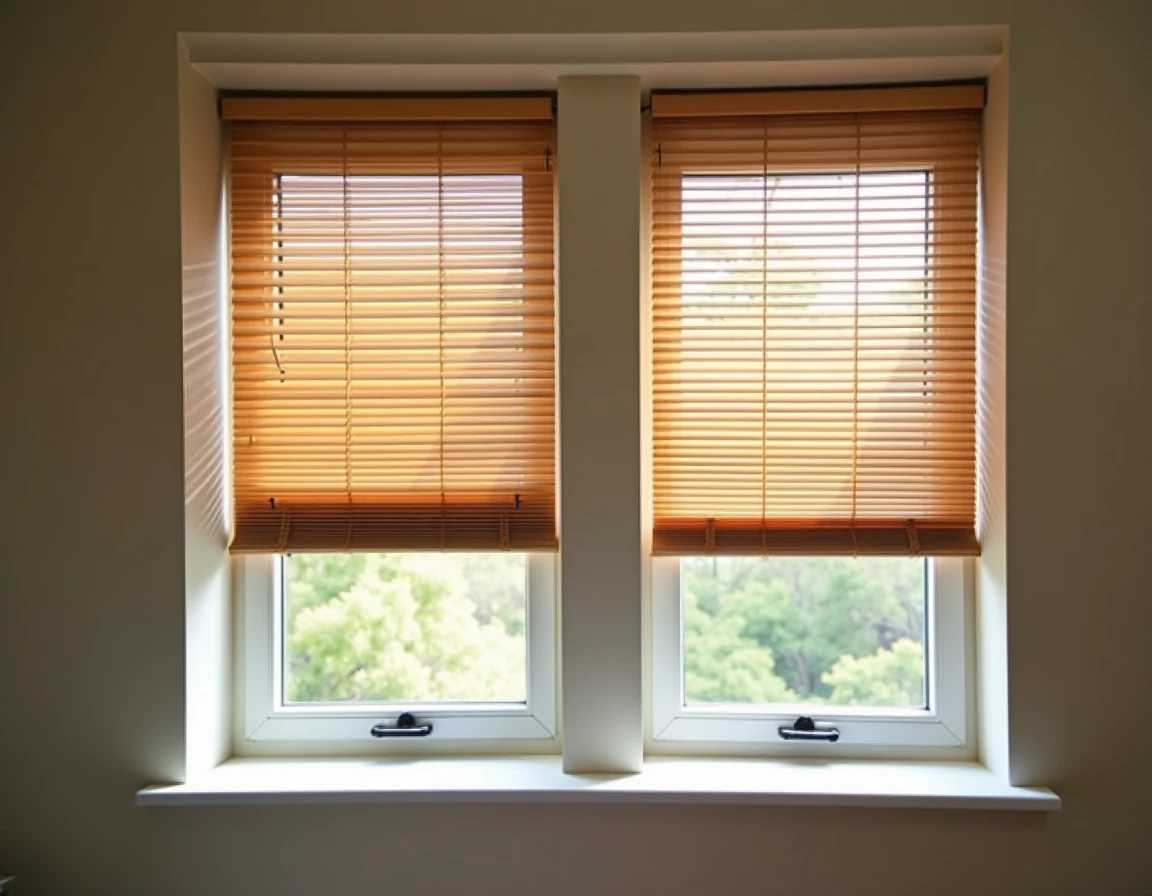
A horizontal slat design is the defining feature of this window covering. Flat slats stack one above another, connected by cords or fabric tapes called ladders. Each slat tilts on command, opening or closing the gaps between them. This tilting motion controls light and privacy without raising the whole blind.
Most slats measure between one-half inch and two inches wide, though wider styles have grown popular in recent years. A separate lift cord or wand raises the entire stack, gathering slats neatly at the top of the window. Some owners wonder if are motorized shades worth it for this lift-and-tilt combination. Many find the convenience justifies the cost.
Venetian Blinds vs. Other Window Coverings
Vertical blinds hang from a track and slide sideways, rather than lifting up. That structure suits sliding doors and large glass walls better than standard windows. Horizontal slats, by contrast, fit almost any window shape and size. That makes them far more versatile for everyday rooms.
Compared to soft fabric shades or curtains, slatted blinds offer more precise light control and need less upkeep. Fabric window treatments need regular washing; guidance on how to wash curtains reflects that extra care. Wood, faux wood, and aluminum slats simply wipe clean.
The design dates back over two centuries, gaining its name from popularity in Venice trade routes. Its lasting appeal comes from a simple, adjustable mechanism that still outperforms many modern alternatives today.
Why Homeowners Choose This Window Treatment
Precise Light and Privacy Control
Each slat tilts on its own axis. That gives homeowners exact control over light and privacy. A quarter turn can soften harsh afternoon sun without blocking the view entirely. Close the slats fully at night for total privacy, or angle them upward during the day to bounce light onto the ceiling instead of a couch or television screen.
This precision matters most in rooms facing busy streets or neighboring windows. Bedrooms benefit from near-total blackout settings. Kitchens often need only a slight tilt to cut glare over a sink or counter. Few other treatments offer this level of adjustment in seconds.
Style Versatility for Any Room
Slat width, color, and finish let these blinds fit almost any decor. Wide slats suit modern living rooms; narrow ones feel at home in cozy bedrooms or offices. Wood tones warm up a farmhouse kitchen. Bright white aluminum slats read as clean and contemporary in a bathroom.
Many homeowners pair blinds with soft fabric panels for texture and warmth. For layered window treatments, a guide on how to choose curtains for living room spaces helps clarify which pairing works best. Others prefer the structured look of pleat curtains layered behind the slats for added softness and depth.
Long-Term Durability and Value
Quality slats resist warping, fading, and cracking for years. Aluminum and faux wood options handle humidity well, making them practical near kitchens and bathrooms. This durability means fewer replacements and lower long-term costs compared to cheaper fabric shades.
Many local businesses report that well-made blinds last a decade or longer with basic care. That lifespan, paired with reliable performance, makes them a smart investment for homeowners planning to stay put.
Material Options Compared
Wood and Faux Wood
Real wood gives the warmest look and works best in dry living rooms and bedrooms. Basswood is common, and slats often run $8 to $15 per square foot. Wood is lightweight but reacts poorly to humidity, so it can warp near tubs or sinks.
Faux wood is made from PVC or a wood-composite blend. It costs less, usually $5 to $10 per square foot, and resists moisture completely. It weighs more than real wood, which matters on very wide windows. For a deeper look at pairing materials with existing decor, this how to choose curtains guide expert tips for every room offers useful room-by-room advice.
Aluminum and Vinyl
Aluminum blinds are thin, light, and cheap, often under $5 per square foot. They handle steam and splashes well, making them a smart pick for kitchens and bathrooms. Vinyl blinds cost even less and resist moisture too, but they can feel flimsy and yellow over time in direct sun.
The table below breaks down key differences at a glance.
| Material | Avg. Cost (per sq ft) | Moisture Resistance | Weight | Best Room |
|---|---|---|---|---|
| Real Wood | $8–$15 | Low | Light | Living room, bedroom |
| Faux Wood | $5–$10 | High | Medium-heavy | Bathroom, kitchen |
| Aluminum | $3–$7 | High | Very light | Kitchen, laundry room |
| Vinyl | $2–$5 | High | Light | Basement, rental unit |
Shoppers comparing full product ranges can browse Venetian Blinds | Americanblinds.com to see how pricing and finishes vary across materials.
Slat Sizes and Their Effect on Views and Light
Comparing 1-Inch, 2-Inch, and Larger Slats
Slat width shapes how a window looks and how much light passes through. Smaller slats stack tighter and create finer lines. Larger slats open up wider gaps between each piece, giving a bolder, more modern feel. The table below breaks down the most common sizes.
| Slat Size | Light Control | View When Open | Best Style Match |
|---|---|---|---|
| 1 inch | Precise, layered | Narrow, filtered | Traditional, detailed rooms |
| 2 inch | Balanced | Clear, open | Most homes, versatile use |
| 2.5 inch | Bold, fewer lines | Very open | Large picture windows |
| 3 inch or wider | Minimal slats visible | Nearly unobstructed | Contemporary living spaces |
Choosing Slat Size by Window Type
Wide slats suit tall, expansive windows where an unobstructed view matters most. Narrow slats fit smaller windows, adding classic detail without overwhelming the frame. For guidance on balancing privacy and daylight, this resource on the top 5 shades for privacy and light in new jersey offers useful comparisons. Homeowners shopping for ready-made options often review the Venetian Blinds for Windows 20″ 28″ 32″ 36″ 40″ 48″ 56″ 6… listing to check available sizing before ordering custom pieces.

Lift Systems, Bracket Types, and Controls
Cordless vs. Corded Lift Options
The lift system controls how slats raise, lower, and tilt. Cordless lifts use a spring mechanism inside the headrail. You simply push or pull the bottom rail. There are no dangling cords, which makes cleaning easier and windows look tidier. Many families choose cordless as their default option today.
Corded lifts remain common in larger or heavier blinds, especially wood or faux-wood styles over 60 inches wide. A continuous cord loop, secured to the wall with a tension device, keeps the cord taut and out of reach of small hands or pets.
Motorized lifts add a battery pack or hardwired motor, operated by remote, wall switch, or app. Options like Motorized Venetian Blinds for Windows suit hard-to-reach skylights, oversized picture windows, or homes prioritizing convenience and safety over manual control entirely.
Mounting Brackets and Installation Types
Brackets determine whether blinds sit inside the window frame or outside it, on the wall or trim. Inside mounts give a clean, built-in look but require at least 2.5 inches of depth. Outside mounts work well for shallow frames or when you want better light blockage at the edges.
Standard brackets snap onto the headrail and screw into the wall or frame; extension brackets add clearance for handles or uneven trim. Some homeowners pair blind choices with different types of curtains layered over the same window for extra softness and light control.
Child-safety standards now require cordless or inner-cord designs in most new blinds sold for homes with young children, per current industry guidelines. Choosing cordless or motorized lifts removes strangulation risk entirely, a critical factor for nurseries and playrooms.
Smart and Motorized Upgrades
Compatibility with Smart Home Systems
Motorized Venetian blinds now connect easily to your existing smart home setup. Voice control works through Alexa, Google Assistant, and SmartThings hubs. Say a simple command, and slats tilt or raise without touching a wall switch. This integration matters most for hard-to-reach windows, stairwells, and skylights where manual wands are impractical.
Before choosing a system, check which hubs your blinds actually support. If you enjoy quick DIY upgrades elsewhere in your home, these diy curtain hacks transform your space with simple upgrades pair nicely with smart blinds for a cohesive, updated look.
Programmable Speed and Positioning
Good motors offer more than open-and-close movement. Look for these features when comparing systems:
- Adjustable tilt angles that stop precisely at 15, 30, or 45 degrees for controlled daylight.
- App-based scheduling that raises blinds at sunrise and lowers them at sunset automatically.
- Multiple saved presets, so morning, midday, and evening positions load with one tap.
- Group controls that move several windows in a room together for uniform light.
- Slow-speed settings that reduce motor noise during early morning operation.
Battery Life and Easy Setup
Rechargeable battery systems now last four to six months per charge under normal daily use. Most units recharge fully in under three hours using a standard USB cord. Setup requires no wiring; brackets mount like standard hardware. For product specifics, the Custom Horizontal Venetian Window Blinds & Shades line shows how motorized options fit into broader product families.
Choosing the Right Blinds Room by Room
Bedroom and Bathroom Privacy
Bedrooms need strong light control and full privacy. Wide slats, around 2 inches, block outside views while still tilting open for morning light. Many homeowners pair blinds with blackout liners for total darkness. This helps shift workers or light sleepers who need daytime rest.
Bathrooms bring moisture into the equation. Faux wood or PVC slats resist warping near showers and sinks. Choose a cordless lift for small windows above tubs, since it keeps cords away from wet surfaces. Homeowners comparing options should read up on blinds vs curtains choosing the right window treatment before deciding which rooms need hard slats versus soft fabric.
Home Office and Living Spaces
Home offices demand glare reduction above almost everything else. Screens facing a window often wash out under direct sun. Adjustable slats let workers angle light away from monitors without losing daylight entirely. A 1-inch slat works well here, offering fine control for video calls and focused tasks.
Living rooms call for mood, not just function. Wider 2-inch slats create a relaxed, open feel during the day. At night, closing them fully adds warmth and privacy for gatherings. Some households now choose Smart Motorized Venetian Blinds for living spaces, letting one remote or app adjust several windows at once. This suits open floor plans with multiple exposures. Many local businesses recommend testing slat angles at different times of day before finalizing a room’s design.
How to Measure Your Windows for a Perfect Fit
Accurate measuring is the difference between a clean, tailored look and gapped edges that let light leak in. A steel tape measure, a pencil, and a notepad are the only tools you truly need. Skip cloth tapes, since they stretch and cause errors. Before you begin, decide whether you want an inside mount or an outside mount, since each requires a different approach. This same discipline applies whether you are ordering blinds or reading up on how to measure for curtains.
Inside Mount Measuring Steps
Inside mount blinds fit within the window frame for a streamlined, built-in appearance. Follow these steps carefully:
- Measure the width at the top, middle, and bottom of the frame, then use the smallest number to avoid a tight fit.
- Measure the height on the left, center, and right sides, recording the longest measurement for accuracy.
- Check the frame’s depth to confirm there is enough room for the headrail and brackets.
- Note any obstructions, such as window cranks or locks, that could interfere with slat operation.
Outside Mount Measuring Steps
Outside mount blinds attach to the wall or trim above the window, a common choice when frame depth is shallow. This method, standard under any VENETIAN BLIND Definition & Meaning, allows more flexibility in sizing.
- Measure the exact width you want covered, then add two to three inches on each side for overlap.
- Measure the desired height from where the headrail will sit down to the sill or floor.
- Mark bracket positions with a pencil before drilling to keep the blind level.
Installation Basics and Professional Help
DIY Installation Overview
Most kits come with everything needed for a basic setup. Brackets, mounting screws, a valance clip, and a wand or cord fall into this category. A cordless drill, a level, and a tape measure round out the tool list. Inside mounts usually take fifteen to twenty minutes per window once brackets are marked and screwed in place.
Before buying anything, review 10 important things to consider when youre buying curtains, since many measuring and mounting principles carry over to blinds. Skipping this step often leads to crooked brackets or gaps along the frame.
Outside mounts demand more precision. The bracket must sit level above the window, or the slats will hang unevenly. Anyone shopping for a simple starter option might browse Venetian Blinds for Windows to compare basic hardware kits before committing to a full custom order.
Benefits of Professional Installation
A professional installer earns their fee on tricky windows. Bay windows, arched frames, and oversized patio doors often need custom brackets or extra support. Many local businesses send trained crews who bring specialty tools, shims, and anchors suited to plaster, tile, or uneven trim.
Professional installation also protects warranties. Improper mounting can void coverage on motorized or premium hardware. A trained technician checks tilt mechanisms, cord tension, and bracket spacing before leaving, reducing callbacks and future repairs.
Homeowners juggling multiple rooms often save time by hiring help. A crew can complete ten windows in the time it takes one person to finish three, with cleaner results overall.
Comparing Top Blind Brands and Product Lines
Premium vs. Value Product Lines
Hunter Douglas leads the premium tier, with comparable lines from Levolor and Graber filling the mid-range and value spots. Each brand splits its catalog into tiers. Higher tiers add better motors, tighter tolerances, and stronger headrails. Choosing the right tier depends on budget and how hard the blinds will work daily. A question many buyers also ask is can people see through my blinds, and slat quality across tiers affects that answer too.
| Product Tier | Typical Price Range | Slat Material | Best For |
|---|---|---|---|
| Entry | $40–$90 per window | PVC or thin aluminum | Rentals, low-traffic rooms |
| Mid-Range | $90–$180 per window | Aluminum or basic wood | Most family homes |
| Premium (Hunter Douglas) | $180–$400 per window | Hardwood, aluminum alloy | Long-term durability |
| Custom Motorized | $300–$600 per window | Hardwood or faux wood | Smart-home integration |
Warranty and Build Quality
Warranty length signals confidence in build quality. Entry-level blinds often carry a one-year warranty. Premium lines like Hunter Douglas typically offer limited lifetime coverage on hardware and moving parts. Check whether motors, cords, and headrails are included, since some warranties cover only the frame.
Caring for and Maintaining Venetian Blinds
Everyday Cleaning Tips
Simple habits keep slats looking sharp. Weekly dusting prevents buildup that attracts grime and dulls the finish. A microfiber duster or a clean sock over your hand works well for quick passes between deeper cleanings.
- Close the slats fully, then wipe one side before flipping and repeating on the other.
- Use a vacuum with a brush attachment on low suction for a faster whole-window pass.
- Wipe wood slats with a barely damp cloth, never a soaking one, to avoid warping.
- Clean aluminum slats with mild soap and water for spots that dusting alone won’t lift.
- Check cords and lift tapes monthly for fraying or tangling before it becomes a bigger issue.
Deep Cleaning and Repairs
Every few months, give blinds a thorough clean. Remove them and soak aluminum slats in a tub with warm, soapy water. Wood blinds should never be submerged; instead, treat them with a specialized wood cleaner or furniture polish sparingly. This distinction matters because moisture is wood’s biggest enemy, while aluminum tolerates water fine.
Small repairs extend lifespan significantly. Replace worn cords, tighten loose brackets, and straighten bent slats promptly. If you’re considering upgrading to motorization during a repair, it’s worth reading automated blinds vs automated shades which smart window t… before deciding. A dedicated provider can also handle repairs that are tricky to manage alone, restoring blinds rather than replacing them entirely.
Common Questions About Venetian Blinds
Cost and Budget Questions
Pricing varies by material, size, and features. Basic vinyl or aluminum slats often start around $30 to $80 per window. Premium wood or Hunter Douglas faux-wood options can run $150 to $400 per window, especially with motorization added. Budgeting should account for the whole home, not just one room, since costs add up across multiple windows.
Large picture windows or oversized patio doors cost more, since they need wider slats and stronger lift systems. Custom sizing always costs more than stock sizes, but it prevents gaps and light leaks. Many shoppers save by mixing tiers, choosing premium materials for living rooms and simpler options for guest rooms or closets.
Installation fees also affect the total. Some homeowners install blinds themselves to save money, while others hire professionals for tricky window shapes. For detailed pricing breakdowns and seasonal promotions, the blog offers updated guides worth checking before you set a firm budget.
Fit, Style, and Longevity Questions
Venetian blinds fit most standard rectangular windows easily, but arched, angled, or bay windows need special measuring and sometimes custom tracks. A dedicated provider can assess unusual window shapes and recommend adjustments, like split headrails for bay setups or specialty mounts for angled tops.
Longevity depends heavily on material. Aluminum slats typically last 5 to 10 years, while quality wood or faux-wood blinds can last 15 years or longer with proper care. Cords that fray, slats that warp, or headrails that no longer hold tilt position signal it’s time to replace them.
Fading, cracking, or bent slats near heat sources like radiators also point to wear beyond repair. Replacing blinds every decade keeps rooms looking fresh and functioning properly, especially in high-use spaces like kitchens and living rooms.
If you’re weighing your options for venetian blinds, it’s worth talking to people who’ve spent years helping homeowners get this decision right. The Curtain has been a family-owned business since 2007, and their design consultants can walk you through premium Hunter Douglas options tailored to your space, from material to slat size to installation. Stop by or book a consultation with The Curtain to see the difference expert guidance makes.