Standard-size blinds rarely fit modern windows perfectly. Gaps let light spill in, undermine privacy, and disrupt an otherwise well-designed room. Custom blinds solve this by matching your exact window dimensions, style preferences, and functional needs. But materials, mounting options, and pricing can feel overwhelming without the right guidance. This 2026 buying guide breaks down what you need to know to choose window treatments that fit precisely, perform reliably, and elevate your home’s interior for years to come.
The Complete Guide to Custom Blinds for Every Room
What Sets Custom Blinds Apart from Ready-Made Options
Stock blinds come in fixed widths, often two-inch increments like 24, 36, or 48 inches. Custom blinds get built to your exact window size, down to the eighth of an inch. That precision matters more than most shoppers expect. Even a half-inch gap can let light spill in or ruin the clean look homeowners want.
Fit is only part of the story. Custom orders also let you pick slat size, material, and control style to match the room’s function. A kitchen window near a sink might need moisture-resistant faux wood. A media room might call for blackout fabric. Stock options rarely offer that flexibility.
Material precision affects durability too. Cheap ready-made slats can warp or fade within a year or two. Custom builds use graded materials chosen for the light and humidity conditions of each room, which extends the lifespan significantly.
Who Benefits Most from Custom Window Treatments
Homeowners with older houses often benefit most. Windows in older homes are rarely perfectly square, so stock sizes fit poorly. Growing families gain from custom cordless designs too, since these reduce safety hazards around young children and pets.
Design-conscious buyers appreciate custom options as well. Matching trim color, wood tone, or fabric to existing décor is far easier with tailored choices. This guide covers everything you need to make a confident decision, from comparing blind types to measuring windows correctly. For related guidance on pairing treatments with existing décor, see this how to choose curtains guide expert tips for every room.
Renters and budget shoppers may lean toward ready-made products instead, and we’ll get to that later. You’ll also find measuring steps, installation tips, and safety guidance below. For more detailed articles and seasonal advice, many readers explore our blog for additional insight.
Key Factors to Weigh Before You Shop
Light Control and Privacy Needs
Start by thinking about how much light each room really needs. A home office may call for softer, glare-free light. A nursery often needs near-total darkness for naptime. Light control and privacy go hand in hand, especially for street-facing windows or homes close to neighbors.
Household lifestyle matters too. Families with young kids may want cordless lift systems. Empty nesters might prioritize motorization for convenience instead. South- and west-facing windows take on stronger afternoon sun, which can fade fabrics and flooring over time. Choosing UV-blocking materials helps protect your furniture with the right window treatments, especially in sun-drenched rooms with hardwood floors or leather furniture.
Budget and Long-Term Value
Set a realistic budget before browsing styles. Basic vinyl blinds might cost $40 per window. Custom wood or motorized options can run $300 or more. Long-term value matters more than upfront price. Durable materials often outlast cheaper options by a decade or longer, saving money over time.
Consider maintenance costs too. Fabric shades may need occasional cleaning, and learning how to wash curtains properly can extend the life of paired drapery panels. Factor climate into your decision as well, since humid bathrooms and kitchens need moisture-resistant materials, unlike bedrooms or living rooms.
Room-Specific Considerations
Every room has different demands. Kitchens need easy-to-clean, heat-resistant options near stoves. Bathrooms require moisture resistance. Bedrooms often benefit from blackout capability for better sleep.
Finally, match new treatments to existing decor. Consider wall color, furniture style, and hardware finishes already in the room. A modern living room might suit sleek roller shades, while a traditional dining room pairs well with wood blinds and warm tones.
Popular Types of Blinds Compared
Every material offers a different balance of style, price, and performance. The table below breaks down the five most common options so you can match the right product to the right window. For a broader look at how blinds stack up against other treatments, see this guide on blinds vs curtains choosing the right window treatment.
| Type | Best For | Durability | Relative Cost |
|---|---|---|---|
| Wood | Living rooms, offices | High, if kept dry | $$$ |
| Faux Wood | Bathrooms, kitchens | Very high, moisture-resistant | $$ |
| Aluminum | Bedrooms, apartments | Moderate | $ |
| Vertical | Sliding doors, large windows | Moderate | $$ |
| Cellular/Honeycomb | Energy-conscious homes | High | $$$ |
Wood and Faux Wood Blinds
Wood blinds add warmth and a natural grain look. They suit dry rooms with steady temperatures. Faux wood costs less and resists warping in humid spaces like kitchens.
Aluminum and Vertical Blinds
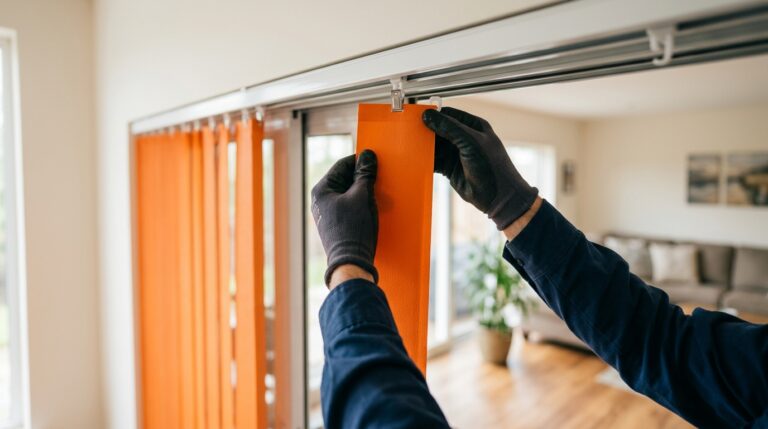
Aluminum slats are lightweight and budget-friendly, ideal for rentals. Vertical blinds handle wide openings well, making them a practical choice for patio doors.
Cellular and Honeycomb Shades
Cellular shades trap air in honeycomb pockets, improving insulation. They cost more upfront but often lower energy bills over time. Ready to compare styles firsthand? Shop Custom Window Blinds to see swatches and pricing side by side.
Blinds vs Shades vs Drapery: Which Is Right for You
Hard treatments like blinds use rigid slats. Soft treatments like shades and drapery use continuous fabric. That structural difference shapes how each option filters light, handles moisture, and holds up over time. Slats tilt open or closed, giving precise control over glare. Fabric shades and drapery panels raise, lower, or draw instead, creating a softer look but less minute-by-minute adjustment.
The table below compares the three categories across the factors homeowners ask about most.
| Treatment | Light Control | Average Lifespan | Maintenance |
|---|---|---|---|
| Blinds (wood, faux wood, aluminum) | Adjustable, room-darkening with tilt | 15-20 years | Wipe or dust monthly |
| Cellular/Roller Shades | Light filtering to full blackout liners | 10-15 years | Vacuum brush, spot clean |
| Drapery Panels | Sheer to blackout, depends on lining | 7-12 years | Dry clean or launder seasonally |
When Blinds Make More Sense Than Shades
Choose blinds when a room needs frequent light adjustments, like a home office or kitchen. Slats tilt in seconds, without raising the whole treatment. Blinds also resist humidity better in bathrooms and kitchens, making them a longer-lasting choice near moisture.
When to Choose Drapery or Layered Treatments
Drapery adds softness, sound dampening, and near-total blackout for bedrooms. Many homeowners layer drapery over blinds or shades for both function and style. For motorized options, this automated blinds vs automated shades which smart window t… comparison explains the tradeoffs. To compare materials firsthand, you can Shop Window Blinds and Shades before deciding.
Popular Features and Upgrades Worth Considering
Motorization and Smart Hub Compatibility
Motorized lifts let you raise or lower blinds with a remote, app, or voice command. Many systems now connect to smart hubs, so blinds can join a morning routine alongside lights and thermostats. Before deciding, it helps to read up on are motorized shades worth it for your household and budget.
Cordless and Child-Safe Lift Systems
Cordless designs use a spring mechanism instead of dangling cords. This makes them a safer choice for homes with kids or pets. A top-down bottom-up feature adds flexibility, letting you drop the top for light while keeping the bottom raised for privacy.
Specialty Fabrics and Light-Filtering Options
Fabric choice changes how a room feels and functions. When comparing upgrades, weigh these options:
- Room-darkening fabrics that block nearly all outside light for bedrooms and media rooms.
- Light-filtering weaves that soften glare while still letting daylight brighten the space.
- UV-resistant materials that protect furniture and flooring from fading over time.
- Insulating cellular fabrics that trap air and reduce heating and cooling costs.
- Motorized track systems paired with smart plugs for whole-house scheduling.
Shoppers researching options online often browse Custom – Blinds to compare fabric samples before ordering.
How to Measure Windows for a Precise Fit
Inside Mount vs Outside Mount Measurements
Choosing a mount style comes before you pick up a tape measure. An inside mount fits blinds within the window frame for a clean, built-in look. An outside mount attaches above and around the frame, useful when the frame is shallow or uneven. Each method uses different width and length rules, so mixing them up causes ordering errors.
Step-by-Step Measuring Process
Accurate numbers depend on the right tools and a consistent method. Use a steel tape measure, not fabric, and record measurements in inches to the nearest eighth. The table below outlines the basic sequence.
| Step | Task | Tool Needed | Key Detail |
|---|---|---|---|
| 1 | Measure width at top, middle, bottom | Steel tape measure | Use the smallest width for inside mount |
| 2 | Measure height at left, center, right | Steel tape measure | Use the longest height for accurate drop |
| 3 | Check frame depth | Ruler or tape | Need at least 1.25 inches for inside mount |
| 4 | Record square or uneven corners | Carpenter’s square | Flags need for outside mount instead |
| 5 | Note obstructions | Notepad | Handles, cranks, or trim affecting clearance |
Common Measuring Mistakes to Avoid
Many buyers guess instead of measuring three points per window, and that leads to gaps or tight fits. Skipping depth checks is another frequent error, since shallow frames cannot hold certain headrails. These same principles apply broadly, similar to guidance on how to measure for curtains. Professional measuring reduces costly reorders and wasted material. For general background on options, see this overview of Blinds & Window Shades for Light & Privacy.
Installing Your New Window Treatments
DIY Installation Steps
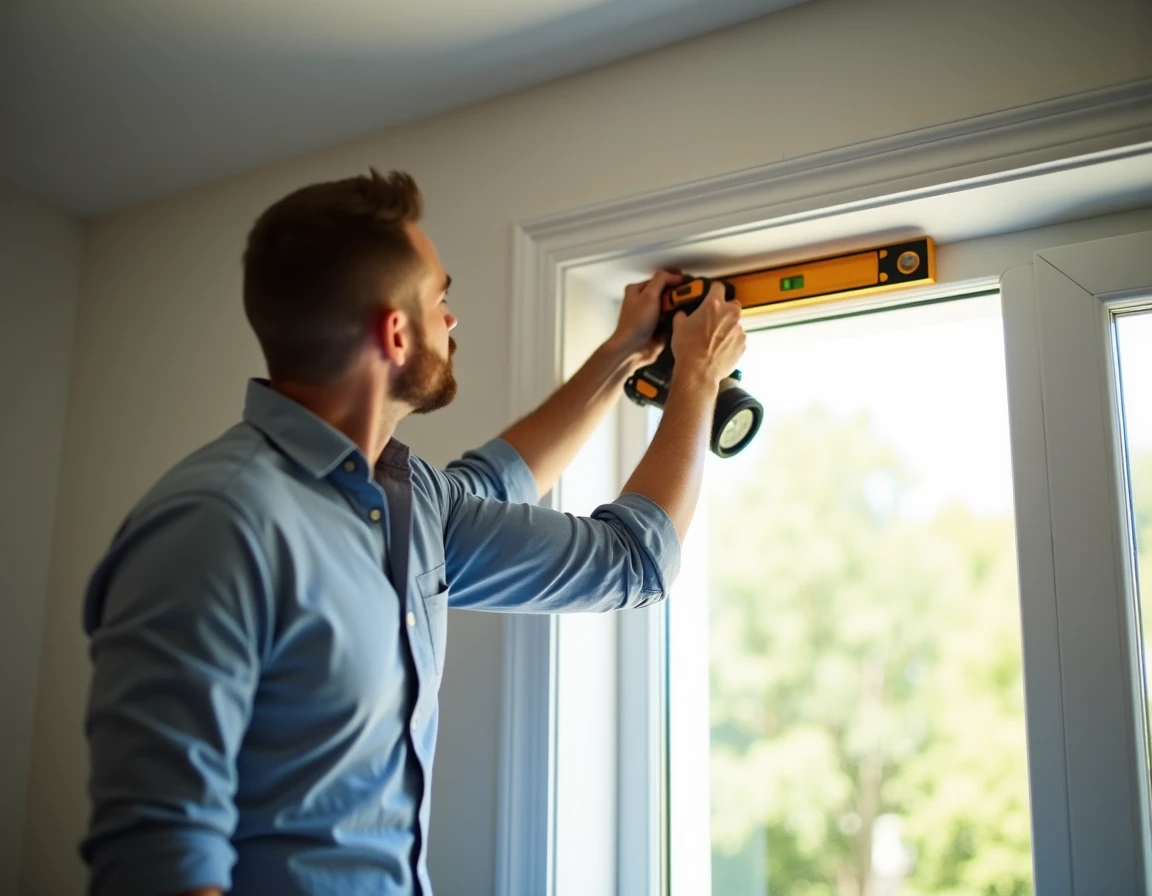
Most inside-mount blinds can be hung in under an hour with basic tools. You’ll need a drill, a level, a pencil, a tape measure, and the mounting screws included with your order. Start by marking bracket positions, checking each one with a level before drilling.
Pilot holes prevent cracked frames, especially on wood or composite trim. Space brackets evenly, usually one at each end and a third in the center for widths over 36 inches. Attaching the headrail last keeps the whole unit steady while you fine-tune alignment. Taking time here saves rework later.
Signs You Should Hire a Professional
Outside-mount installations, oddly shaped windows, and motorized systems often call for a trained hand. If your walls are plaster, concrete, or tile, drilling gets tricky fast, and stripped anchors are a common mistake. A professional installer also spots framing issues before they become bigger problems.
Many local businesses offer installation as part of a full custom window treatments package, which reduces measuring errors and warranty headaches. If you’re unsure where to start, resources like Blinds, Shades & Shutters Made Simple | JustBlinds outline what installers typically check on-site. When in doubt, a quick consultation is worth the cost.
Post-Installation Adjustments
Uneven brackets are the most common issue after a fresh install. If the headrail tilts, loosen the screws, re-level with a bubble level, and retighten evenly on both sides. Gaps along the frame usually mean the mount was measured too tight or too loose.
Add foam spacers or trim adjustment strips to close small gaps without redrilling. For persistent tilting, check that wall anchors are seated fully; a wobbly anchor is often the real root cause. Testing the lift cords after adjustments confirms everything operates smoothly.
How to Order Custom Blinds Online with Confidence
Choosing Materials and Colors Remotely
Ordering online starts with narrowing down your options digitally. Most sites let you filter by material, such as faux wood, real wood, or woven fabric, then preview colors on a virtual window mockup. This helps you visualize the final look before committing. Many platforms, like those you’ll find if you Shop Custom Blinds, Shades, & Window Treatments …, offer side-by-side comparisons of finishes and slat sizes.
Control options matter too. You’ll typically choose between cordless lift, motorized operation, or a top-down bottom-up feature. Each choice affects both price and daily convenience. Selecting the right control system upfront avoids costly changes later.
Take time comparing at least three color swatches against your wall paint under natural light. Screens display color differently than reality, so this step matters more than people expect.
Requesting Fabric and Material Samples
Before finalizing an order, request physical samples. Most reputable sellers offer free or low-cost swatches shipped within a few days. Holding the actual material against your window frame reveals texture and light filtration that photos cannot show.
Order two to three samples minimum, since lighting varies room to room. This small step prevents costly mismatches and returns. It’s a simple habit that protects your investment before the final purchase decision.
Tracking Production and Delivery Timelines
Custom orders require production time, often two to six weeks depending on material and complexity. Understanding this timeline helps set realistic expectations, especially when planning around moving dates or renovations. Many online retailers provide tracking dashboards showing order status from cutting to shipping.
Budgeting matters here too. Reviewing typical custom curtains costs alongside blind pricing gives useful context for comparing window treatment options. Clear tracking reduces guesswork and keeps your project on schedule.

Caring for and Cleaning Your Blinds
Routine Dusting and Maintenance
Regular dusting keeps blinds looking new and prevents buildup that turns into stubborn grime. Most homes need dusting every one to two weeks, or weekly in rooms near kitchens or heavy foot traffic. A microfiber cloth, a soft brush attachment on a vacuum, or a blind-specific duster works best. Close the slats fully, wipe top to bottom, then flip and repeat on the other side.
Cleaning Different Blind Materials
Different materials call for different techniques, so it helps to know your blinds before grabbing a cleaning product. Consider these guidelines:
- Fabric shades should be spot cleaned with a mild soap solution and a soft cloth, never soaked or scrubbed hard.
- Wood blinds need a dry or barely damp cloth, since moisture can warp or discolor the slats over time.
- Vinyl and faux wood blinds tolerate a damp cloth with mild dish soap for wiping down grease or fingerprints.
- Aluminum blinds can be wiped with a slightly damp sponge, then dried immediately to avoid water spots.
- Sheer or delicate fabrics do best with a handheld vacuum on the lowest suction setting rather than wet wiping.
Handling Stains and Deep Cleaning
Cellular shades trap dust in their honeycomb pockets, so deep cleaning requires extra care. For stubborn stains, resources like this guide on how to clean cellular shades walk through safe soaking and drying methods step by step. Many local businesses also offer professional cleaning for heavily soiled or delicate treatments. If you’re shopping for replacements, options such as Custom Blinds, Shades & Shutters from Blindster can offer useful comparison points while you research materials suited to easier upkeep.
Child and Pet Safety Considerations
Understanding Cord Safety Standards
Corded blinds have caused thousands of strangulation accidents involving young children and pets. This risk led to strict industry rules. Look for products certified by the Window Covering Manufacturers Association, marked with the “Best for Kids” label. This certification means the product has no exposed pull cords, or it uses continuous-loop cords secured with a wall-mounted tension device.
Federal regulations updated in recent years now require stock blinds sold in stores to be cordless. Custom orders still allow corded designs, but a safety certification should guide every decision. Before buying, review these curtain safety tips you need to know to understand labeling and installation requirements.
Ask your consultant to confirm certification paperwork for any product entering a home with children under age six or curious pets.
Best Safe Options for Homes with Kids or Pets
Cordless lift systems remain the top choice for families. They raise and lower with a simple push or pull on the bottom rail, eliminating dangling cords entirely. Motorized blinds offer another strong option, controlled by remote, app, or voice command, keeping cords and wands completely out of reach.
In nurseries and playrooms, choose cellular shades or roller shades with a cordless design, and mount them high enough that toddlers cannot grab the bottom rail while standing on furniture. Avoid looped cords near cribs, changing tables, or window seats. Many households also select battery-powered motorized options for hard-to-reach windows above stairs or playroom lofts, reducing daily handling and long-term wear.
Exploring Alternative Window Coverings
Shutters and Woven Wood Alternatives
Plantation shutters offer a solid, architectural look. Louvers typically range from 2.5 to 4.5 inches wide, giving precise light control. They add resale value and last for decades with basic upkeep.
Woven wood shades bring texture from bamboo, jute, and reed. They suit coastal, farmhouse, or organic modern rooms. Many come with a liner option, which blocks glare while keeping the natural weave visible from outside.
Choosing between these options often starts earlier than shoppers expect. Understanding the design process of custom window treatments helps homeowners see how material, room function, and light exposure shape the final recommendation before a single sample arrives.
Solar and Outdoor Shading Solutions
Solar shades use tightly woven fabric with an openness factor, often between 1% and 10%, to cut glare and UV rays without total blackout. They work well on sunrooms, home offices, and west-facing rooms with harsh afternoon sun.
For patios, porches, and pergolas, outdoor shades use weather-resistant vinyl or mesh fabrics. These handle wind, moisture, and temperature swings, extending usable outdoor living space through spring and fall evenings.
Layering treatments creates a finished, flexible look. Pairing sheer solar shades with drapery panels, or shutters with a soft valance, balances privacy, light control, and style in one window.
Getting Expert Help for Your Project
What to Expect from a Design Consultation
An in-home visit lets a specialist see your actual light, wall color, and furniture. This matters more than browsing online swatches. A good consultant brings large fabric samples, measures a few windows on the spot, and shows how different slat sizes look in your specific rooms at different times of day.
During the session, ask about lead times, warranty coverage, and cordless options for safety. Ask how they handle oddly shaped windows, like arches or bays. It’s also worth discussing layering options; many homeowners don’t realize how much a room’s mood shifts once you understand the benefits of blackout curtains paired with blinds for bedrooms or media rooms.
Questions to Ask Before Hiring an Installer
Before booking installation, ask how many years the crew has worked with your chosen product line. Ask whether they carry insurance and offer a workmanship guarantee, not just a manufacturer warranty. Request two or three references from jobs completed in the last year.
Many local businesses offer free estimates, so compare at least two or three before deciding. Confirm the timeline in writing, including who handles disposal of old blinds and cleanup afterward.
If you’re ready to explore custom blinds that truly fit your space, the team at The Curtain has been helping families do just that since 2007, with expert design consultation and professional installation on every premium Hunter Douglas product they offer. Their experience shows in the details, from the first conversation about your windows to the final fit. Stop by or book a consultation with The Curtain to see what they can create for your home.