Table of Contents
Why Bamboo Shades Keep Popping Up in Your Feed
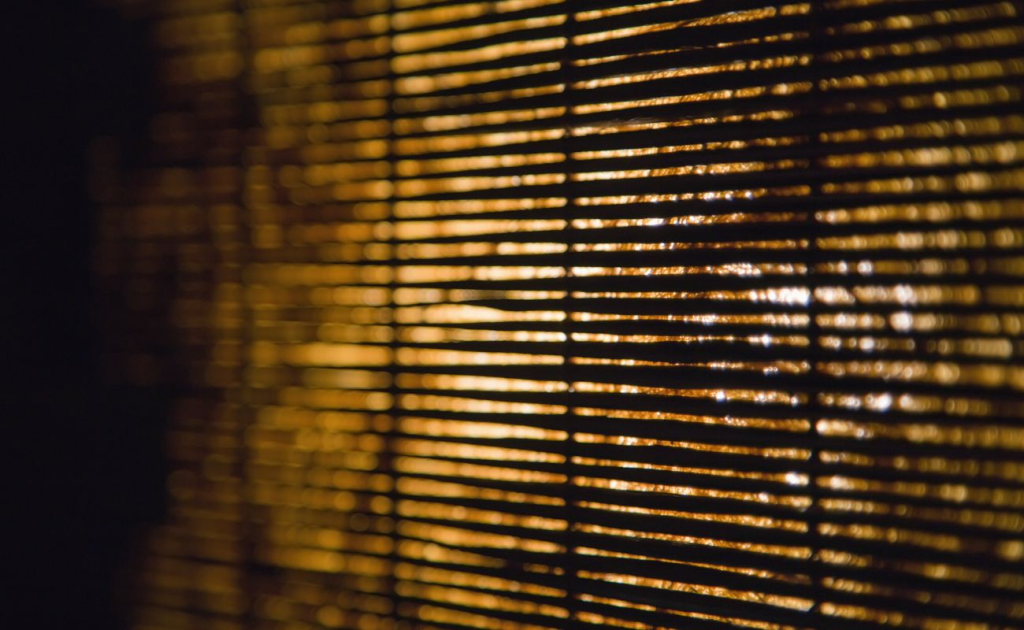
You keep spotting bamboo shades on design blogs, in glossy magazines, and across social media. The mix of warm texture, soft light, and eco‑friendly vibes is hard to ignore. But are they the right fit for you? This guide breaks down the pros and cons of bamboo shades so you can stop scrolling and start deciding.
Understanding Bamboo Shades
Bamboo shades, sometimes called matchstick or woven‑wood blinds, are window treatments made from thin strips of bamboo, reeds, grasses, or jute that are stitched together. They roll up on a cord or lift system, adding natural style without the bulk of heavy drapes. Because the material is renewable and fast‑growing, you get a product that feels both modern and earth‑minded.
Quick‑Look Benefits and Drawbacks
Before jumping into the details, here’s a snapshot:
Pros
- Renewable material
- Rich texture
- Gentle, dappled light
- Seasonal insulation
- Lightweight
- Budget‑friendly options
- Fits many décor styles
- Simple upkeep
Cons
- Limited blackout ability
- Moisture can warp cheaper weaves
- Cords can tangle if mishandled
- Dust collects between slats
- Not every style offers privacy liners
- Color can fade in harsh sun
- Natural variation may not match sample swatches exactly
The Upside: 9 Pros You’ll Love
1. Earth‑Friendly Choice
Bamboo grows faster than hardwood trees and needs little irrigation. When you pick bamboo shades, you lower the footprint of your window project and support sustainable farming.
2. Texture That Adds Instant Warmth
Flat drywall can feel cold. The woven surface of bamboo brings depth that softens a room and makes a rental or builder‑grade space look custom.
3. Soft Filtered Light
You get that beach‑house glow without the glare. The weave scatters sunlight and cuts high‑noon UV while still letting you read a book.
4. Help with Temperature Swings
Air pockets in the weave trap a slim layer of air. In summer that layer screens heat; in winter it adds a thin blanket that keeps rooms from feeling drafty.
5. Surprise Durability
Good‑quality bamboo is stronger than many woods of the same weight. With normal use, the slats resist cracking and hold shape longer than some fabric shades.
6. Wallet‑Friendly Options
Ready‑made sizes start at prices close to vinyl blinds, so you can try the look in one room before committing across the home.
7. Made‑to‑Measure Flexibility
You can order custom widths, heights, liners, edge bindings, and motorized systems. That freedom lets you solve awkward window shapes and satisfy HOA rules.
8. Easy Day‑to‑Day Care
A quick pass with the vacuum brush lifts dust. For sticky spots, a damp microfiber cloth does the trick—no special cleaners.
9. Style‑Versatile
From coastal to boho, Scandi to modern farmhouse, bamboo shades feel right at home. Change your throw pillows, and the shades still look intentional.
The Downside: 7 Cons to Weigh
1. Privacy Gaps
Unless you add a liner, silhouettes stay visible at night when lights are on. Bedrooms and bathrooms often need that liner upgrade, which bumps the cost.
2. Not True Blackout
Even with a liner, pinholes of light peek through stitch holes. If you’re a light‑sensitive sleeper, you may need side channels or layered curtains.
3. Moisture Risks
Constant steam in a small bathroom can loosen glue and warp thin reeds. Choose a high‑humidity‑rated weave or switch to faux wood in that space.
4. Fading Under Harsh Sun
Direct south‑facing windows can bleach dark stains within a few seasons. Rotating shades between rooms or adding UV window film helps slow the fade.
5. Pet and Kid Challenges
Claws can snag loose fibers, and curious hands love to tug cords. Cordless or motorized lifts cut that risk and keep the clean look.
6. Dust Magnets
Horizontal surfaces invite dust. Weekly vacuuming is enough for most homes, but allergy sufferers should note the extra chore.
7. Color Variation
Because bamboo is natural, two shades ordered months apart may not match 100 %. Ordering all windows at once or asking for the same dye lot avoids surprises.
Smart Fixes for Common Pain Points
- Need blackout? Pair bamboo shades with blackout drapery panels or ask for a room‑darkening liner stitched to the back.
- High humidity? Pick a PVC‑coated “faux bamboo” for bathrooms. It looks woven but shrugs off steam.
- Cord clutter? Go cordless spring‑assist or add a rechargeable motor that lifts with a click.
How to Choose the Right Bamboo Shade for Your Room
- Measure twice. Write width first, then height. Round down to the nearest 1/8‑inch for inside mounts.
- Check privacy. Hold the sample up to daylight and a lamp at night. If you can see the bulb, so can neighbors.
- Match décor. Light honey tones warm a cool palette; espresso stains anchor bright coastal blues.
- Mind mounting depth. Inside mounts need enough frame depth so the roll clears handles and locks.
- Plan layering. Decide if drapes, valances, or cornices are part of the plan before adding liners to avoid bulk.
Care and Maintenance Tips
- Weekly: Vacuum with a soft brush.
- Monthly: Wipe slats with a barely damp cloth, moving with the grain.
- Seasonal: Tighten loose knots or clips and test tilt mechanisms.
- Yearly: Take shades down and shake outside, then spot‑clean stains with a mild dish‑soap solution.
Style Inspiration: Real‑World Pairings
- Minimal loft: Mount espresso bamboo shades inside black steel windows; pair with linen sofa and a single fig tree.
- Coastal cottage: Use white‑washed bamboo on French doors; layer with airy sheer drapes for breeze and privacy.
- Modern farmhouse: Combine medium‑tone bamboo with chunky knit throws and matte black hardware.
- Scandi studio: Float pale bamboo shades against white walls; sprinkle birch furniture and neutral art.
Ready to Roll with Bamboo Shades?
You came for the pros and cons of bamboo shades, and now you own them. Bamboo shades bring eco‑friendly charm, texture, and soft light, yet they ask you to weigh privacy, moisture, and dust. With the right liner, lift style, and room match, you can enjoy the warmth of wood without heavy drapes. Grab samples, test them in daylight and lamplight, and watch your windows transform from blank to bold.