
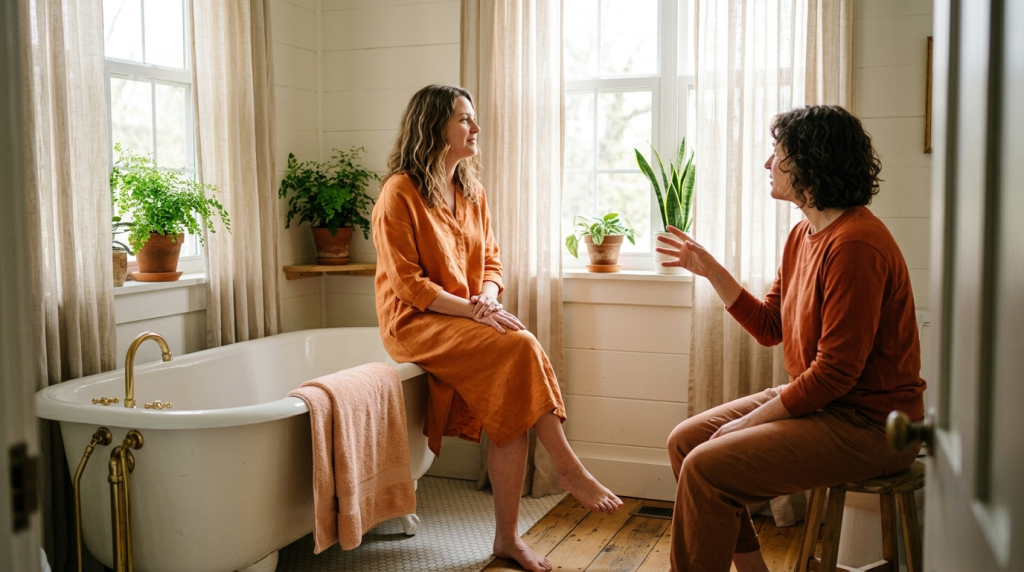
Steam, splashes, and prying neighbors don’t mix well with your average window treatment, and standard fabric panels can leave you choosing between privacy and mildew stains. You need something tougher. The right bathroom window curtains solve both problems at once, blocking outside eyes while standing up to humidity day after day. This guide breaks down exactly which materials, styles, and setups will keep your space private, dry, and genuinely stylish in 2026.
Why Bathroom Windows Need Special Treatment
No other room in the house puts a window covering through as much abuse. Bathrooms swing between steamy showers and cold overnight air, sometimes within the same hour. Add in the need for privacy from neighbors and street view, and you’ve got a room where the wrong choice fails fast. Humidity, temperature swings, and privacy all collide here. That’s exactly why generic curtains from a big-box store rarely hold up the way homeowners expect.
How humidity affects fabric and hardware
Standard cotton or linen curtains soak up moisture like a sponge. Over time that means mildew spots, musty smells, and fabric that starts to sag or warp along the hem. It’s not a slow process either. A poorly ventilated bathroom can show mildew on fabric within weeks, not months.
Hardware suffers too. Metal rods and clips can rust or corrode near constant steam, especially cheaper finishes that weren’t built for wet rooms. Wood elements, if untreated, can swell and crack. Moisture damage is cumulative, so even a curtain that looks fine after month one may show real wear by month six.
That’s why understanding curtain terminology around fabric weight, weave, and finish matters more in a bathroom than almost anywhere else. Knowing the difference between a moisture-resistant polyester blend and a decorative-only fabric can save you a replacement purchase down the line.
Balancing natural light with privacy
Bathroom windows do double duty: they let in daylight and ventilate steam, but they also sit inches from a shower or tub where nobody wants an audience. Sheer, breathable fabrics let light through but often leave gaps in privacy at night when interior lights are on. Heavier fabrics block sightlines but can trap humidity if there’s no airflow around them.
Ventilation plays into this more than people realize. A window that’s cracked open regularly needs a different material than one that’s sealed shut behind glass block. Sunlight exposure matters too, since south-facing bathroom windows will fade cheap fabric noticeably faster than a north-facing one ever would.
The rest of this guide walks through how to weigh those factors properly, from comparing soft curtains against blinds and shades to choosing fabrics built for damp air. Want a broader visual sense of what’s out there first? Browsing options for Stylish Window Treatments For Bathrooms is a reasonable starting point before diving into the technical decisions ahead.
Bathroom Window Curtains vs. Blinds and Shades: Which Is Right for You
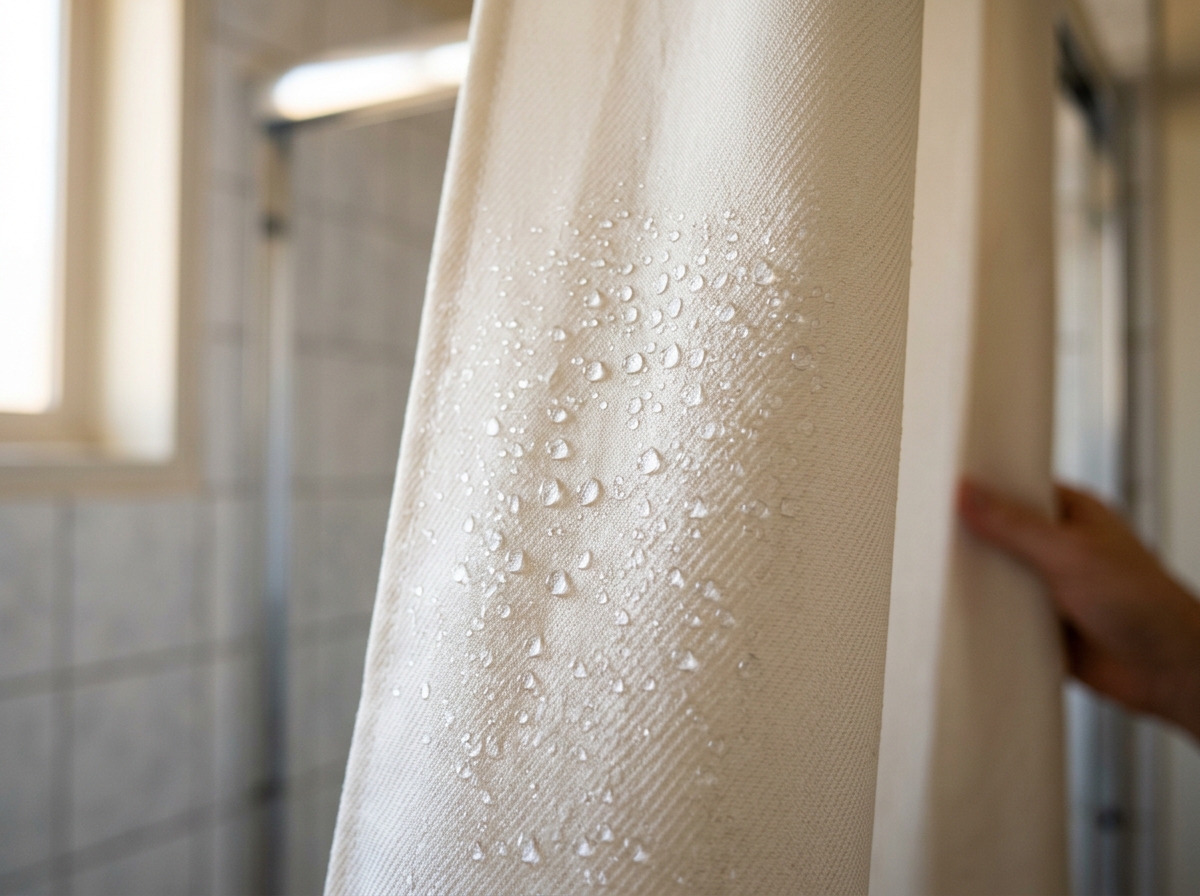
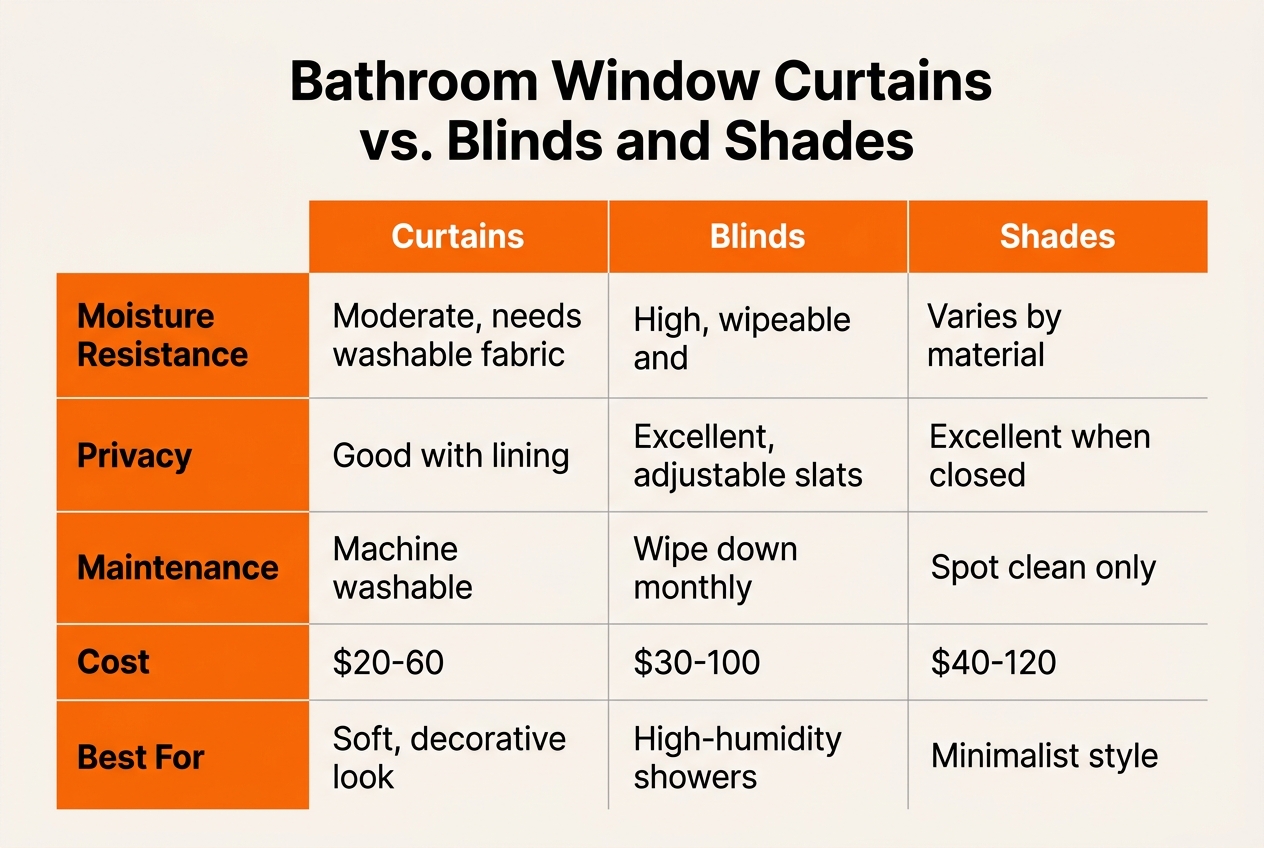
Every bathroom window treatment has to earn its keep in a room full of steam, splashes, and quick temperature swings. Curtains bring softness and color that hard treatments can’t match, but that fabric needs to be moisture-resistant or it’ll fight a losing battle against humidity. Shades and shutters, by contrast, are usually built from materials designed for wet zones in the first place. Here’s how the four stack up on the criteria that actually matter.
| Treatment | Moisture Resistance | Privacy | Light Control | Maintenance |
|---|---|---|---|---|
| Fabric curtains | Low-moderate (needs treated fabric) | Good | Moderate | Frequent washing needed |
| Cellular shades | Moderate (moisture-resistant options exist) | Very good | Excellent | Occasional dusting |
| Roller shades | High (vinyl/PVC options) | Good | Good | Wipe-clean, minimal upkeep |
| Shutters | Very high (composite/vinyl builds) | Excellent | Excellent, adjustable | Wipe-clean, near zero upkeep |
Notice the pattern near the tub or shower stall: composite shutters and vinyl roller shades barely blink at splashes, while unlined cotton curtains soak them right up. That doesn’t make curtains a bad choice. It just means the fabric matters more here than almost anywhere else in the house. Weighing a motorized option to pair with any of these? It helps to first learn how automated shades compare to automated blinds before committing to a smart upgrade. Homeowners researching options online often browse basic fabric panels through a marketplace search for curtains for bathroom windows, though quality and moisture ratings vary wildly at that level.
Moisture resistance and durability ratings
Shutters and vinyl-based roller shades top the durability charts because they’re built from materials that shrug off condensation without warping or growing mildew. Fabric curtains rank lowest unless treated with a water-repellent finish, and even then, they’ll need more attention over time. Cellular shades fall in the middle: moisture-resistant versions hold up fine, but standard fabric ones don’t belong within splash range of a tub.
Cost and long-term maintenance comparison
Curtains are usually the cheapest upfront, often $30 to $100 a panel, but frequent washing and eventual replacement add up. Shutters cost the most initially, sometimes several hundred dollars per window, yet they can last decades with just a wipe-down. Roller shades sit in between, offering strong value for wet zones. For buyers in specific towns comparing shutters against shades locally, checking options available in Ridgewood gives a useful sense of regional pricing. Bottom line: pay more now, or pay again later. That’s really the whole decision.
Choosing the Best Fabric and Style for Damp Spaces
Best fabrics for humid environments
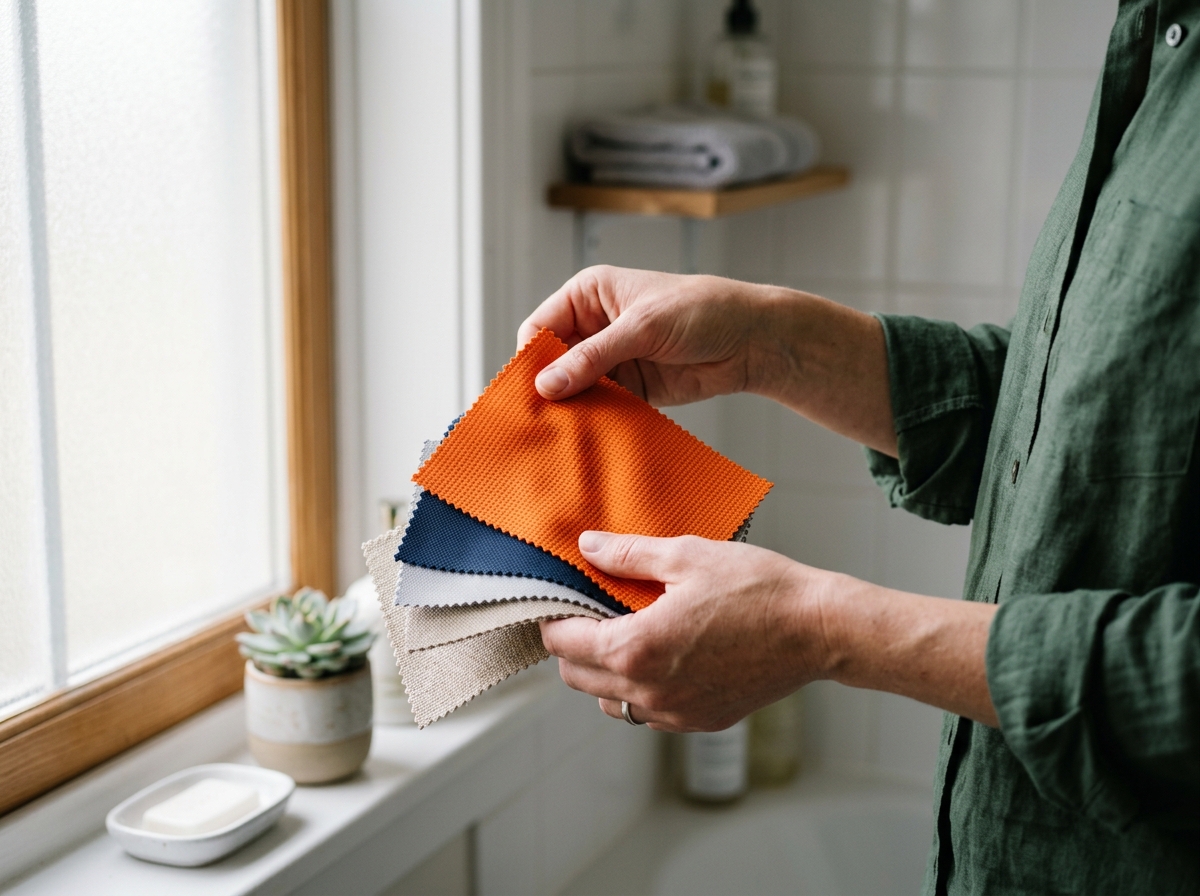
Not all fabric holds up in a steamy bathroom. Cotton looks lovely, but it soaks up moisture and mildew loves it. Polyester is the safer bet — it dries fast, resists mold, and holds its shape wash after wash. Treated linen blends split the difference, giving you texture without the humidity headaches. Vinyl-backed fabrics are the workhorse option, especially near a tub or shower where splashing is a daily reality.
Sheer fabrics deserve a mention here too, and not just for looks. They let light pour in and keep a small window from feeling closed off. But sheers alone won’t give you real privacy, especially after dark with the lights on. That’s a trade-off worth knowing before you buy.
The fix is layering. Pair a sheer with a privacy liner, or hang it alongside cellular shades for insulation and coverage. For deeper guidance on balancing these two needs, it’s worth browsing a rundown of shade options that balance privacy and natural light before settling on a combination. Layering also adds a little texture to an otherwise plain window.
Small windows, smart shapes
Café curtains and tier styles are practically made for bathrooms. They cover the lower half of the glass, block sightlines from outside, and still let sunlight spill in up top. Most bathroom windows are narrow and short anyway, so a full-length panel often looks bulky and out of proportion. Tiers keep things scaled right without swallowing the room.
They’re also easy to swap out seasonally or refresh on a budget, which matters if you like changing things up. New to sewing or hemming your own panels? Browsing simple curtain hacks for quick fabric upgrades can save you a trip to a tailor. A tension rod and a half-yard of fabric can solve a lot of problems here.
Pattern and color matter more than people think. Busy prints, small florals, and mid-tone colors hide water spots, soap splatter, and the occasional toothpaste flick far better than solid whites or pale pastels. Navy, sage, and warm gray tones are especially forgiving. For visual inspiration on combining shape, pattern, and fabric, plenty of homeowners browse a curated board of Bathroom Window Curtains before picking a direction. A crisp white linen might photograph beautifully, but in real life it shows every drip within a week.
Steps to Measure and Install Bathroom Window Curtains
Getting the measurements right is half the battle. Measure width first, then length, and decide early which mounting style you want. It changes both numbers.
Inside mount vs. outside mount decisions
An inside mount sits within the window frame for a clean, built-in look, but it needs a frame at least 2 inches deep to work well. Outside mount hangs the rod above and beyond the frame, which is often the smarter call in bathrooms since it clears steam and lets more light in around the edges. For outside mounts, extend the rod 4 to 6 inches past the frame on each side and hang it 4 to 6 inches above the window. For inside mounts, measure the exact width in three spots (top, middle, bottom) and use the narrowest figure, since older homes rarely have perfectly square openings. Precision here prevents gaps that let steam and light sneak through where you don’t want them.
Hardware materials that resist rust and corrosion
Bathroom humidity is brutal on cheap hardware. Skip anything painted or plated with a finish that can chip, since moisture will find the seam eventually and rust follows fast. A few practical steps make the whole setup last:
- Choose rod placement well above the tub or shower stall so fabric never sits in direct water contact or constant steam.
- Pick stainless steel, solid brass, or powder-coated metal rods and rings, since these materials resist mildew and won’t corrode like standard steel.
- Install a tension rod inside the window frame for a quick, damage-free option that’s ideal for rentals or temporary setups.
- Pair curtains with a functional shade underneath, like a cordless cellular or roller shade, so you get privacy without blocking airflow entirely.
- Check that rings glide smoothly rather than sticking, which usually signals early corrosion starting to form.
Once hardware is settled, fabric care matters just as much. Learning how to clean and maintain your curtains regularly will keep mildew from taking hold between washes. Still weighing curtains against a fully moisture-sealed setup? Reviewing options for privacy and moisture solutions that last can help you decide before you drill a single hole. And if your window is a smaller, awkward size, it helps to search for shorter curtain styles built specifically for that footprint. Small details, but they add years to the setup.
Solving Common Bathroom Window Problems
When to add an insulating layer
Bathrooms sit at the extremes. They’re steamy after a shower, then drafty the moment that window’s cracked for air. If your bathroom faces a busy street or shares a wall with a neighbor, sound bounces off tile and glass and gets loud fast. Layering a cellular shade underneath a curtain panel cuts noise and buffers temperature swings at once. It’s not an either-or decision. Combining treatments usually beats picking just one.
A few situations call for that extra layer more than others, and it helps to know which ones apply to your space before you shop:
- Windows facing a shared driveway, alley, or busy street where car doors and voices carry into the bathroom at odd hours;
- Older single-pane windows that let cold air seep in during winter and turn the room clammy in summer;
- Bathrooms above or beside a garage, laundry room, or mechanical space with extra vibration and hum;
- Homes where the bathroom sits over an unheated basement or crawl space, making the floor and window area noticeably colder;
- Anyone who’s noticed a spike in heating or cooling bills that seems tied to one particular room.
Reading up on everything to know about curtains shades blinds and drapes is a good starting point if you’re unsure which combination fits your window shape and size.
Protecting fixtures and finishes from sun damage
Sunlight is quietly brutal on bathroom surfaces. UV rays fade vanity finishes, yellow towels, and dull painted trim over a few short years. Light-filtering fabrics block that damage while still letting daylight in, so you’re not stuck choosing between a bright room and a protected one. Dealing with a foggy or frosted privacy pane? Sheer curtains add a softer look without sacrificing coverage. Browsing Bathroom Curtains Ideas for Windows can spark some direction if you’re staring at a blank window and drawing a blank yourself.
Not sure whether curtains alone will cut it, or whether you need blinds underneath too? That’s a fair question, and it’s exactly what a professional design consultation is for. A trained eye can look at your window’s orientation, your privacy needs, and your humidity levels, then recommend a pairing that actually works. It’s also worth learning the benefits of blackout curtains if your bathroom gets intense afternoon glare. Guessing gets expensive. A quick consult usually doesn’t.
Custom Window Treatment Options Worth Considering
Not every bathroom window fits a standard curtain rod, and that’s fine. There are plenty of purpose-built options for tricky shapes, damp air, and rooms where you’d rather not fuss with fabric every time you shower.
Product options for small or awkward window shapes
Cellular and roller shades work well in tight, moisture-prone spaces because they’re compact, easy to wipe down, and don’t pool fabric near a wet sill. Woven wood or faux-wood shutters give a spa-like, low-maintenance look that holds up to humidity far better than real wood. For arched, angled, or oversized windows, specialty shaped treatments can be built to the exact geometry rather than forcing a rectangular product into an odd frame. Larger bathrooms and soaking tub areas often do best with custom drapery layered over a functional shade, giving you softness plus real light and privacy control. Weighing fabric against harder materials? Learning about custom window treatments built specifically for bathrooms can help you avoid a costly mismatch.
| Window Type | Recommended Option | Why It Works |
|---|---|---|
| Small casement or slider | Cellular or roller shade | Compact fit, low moisture absorption |
| Arched or angled frame | Specialty shaped treatment | Custom-built to fit exact geometry |
| Standard bathroom window | Faux-wood shutters | Wipeable, humidity-resistant, spa-like finish |
| Large soaking tub area | Drapery over functional shade | Layered privacy plus decorative softness |
| Hard-to-reach or high window | Motorized shade | No cords or stretching near wet floors |
Motorized convenience for hard-to-reach windows
PowerView-style automation lets you raise or lower a shade with a remote or phone app, which matters a lot near wet surfaces where cords and step stools are a bad combo. It’s especially useful over tubs, high transom windows, or anything above a vanity you can’t easily reach. Set a schedule, tie it to voice control, or just tap a button. Either way, you’re not balancing on the tub edge. Many homeowners researching options browse Bathroom Curtains alongside motorized shades before deciding which combination suits their layout. Honestly, if a window’s a stretch to reach, automation isn’t a luxury. It’s just common sense.
Getting a Custom Bathroom Window Treatment Done Right
What happens during a design consultation
A good consultation starts with measuring, and measuring matters more in bathrooms than almost anywhere else in the house. Off by even a half inch and you’ve got gaps that let in light at 6 a.m. or let steamy air sneak past the edges, which invites mold over time. Professionals bring the right tools and know how to account for uneven frames, tile lips, and trim that’s been repainted a dozen times. Following a proven design process of custom window treatments keeps that first step from getting rushed.
Free in-home visits exist for a reason: fabric and hardware decisions look completely different in your actual bathroom light than they do in a showroom. A designer will walk through function first — do you need blackout for a west-facing window, or just privacy with some glow? — then move to material, color, and mounting style. It’s not a sales pitch. It’s a fitting.
Bring your questions about maintenance, warranty, and lead times to this visit. Most consultations run 45 minutes to an hour, and you’ll usually see fabric swatches and hardware finishes in person before anything gets ordered.
Maintaining and repairing treatments over time
Bergen County’s climate is tougher on bathroom windows than people realize. Humidity swings hard between a July heat wave and a January cold snap, and towns near the water — Fort Lee, Edgewater, Englewood — deal with extra moisture load compared to drier inland spots like Ridgewood. Local know-how helps here. A provider familiar with these microclimates will steer you toward fabrics and finishes that actually hold up, not just ones that look good on day one.
Repair services deserve more credit than they get. Warped slats, sticky lift cords, mildew spots on hem edges — these are usually fixable, and fixing them costs a fraction of full replacement. Many local businesses offer repair visits specifically to extend the life of treatments that still have years left in them. For inspiration on moisture-ready materials, browsing waterproof shades and natural fabric options can help you compare what’s out there before deciding to replace versus repair.
Scheduling is simple: a phone call or online form usually gets you an appointment within a week. Expect a follow-up call to confirm timing, then the visit itself.
If you’re ready to find the perfect balance of privacy, light, and style for your bathroom, the team at The Curtain would love to help. As a family-owned business rooted in Palisades Park, NJ since 2007, they bring years of local expertise and a trusted partnership with Hunter Douglas to every home they visit throughout Bergen County. Stop by their Palisades Park showroom or call (201) 302-9111 to schedule a free in-home consultation and see the possibilities for yourself.