

Standard curtain sizes rarely match real windows. Homeowners end up with fabric that pools awkwardly on the floor, or stops short of the sill, undoing an otherwise carefully planned room. That gap between off-the-shelf convenience and a truly finished look is exactly why custom curtains have become the go-to solution for homeowners and designers in 2026. This guide covers everything you need: fabrics, measurements, hardware, pricing, and trusted sourcing options, so you can order window treatments that fit your space exactly and give your interior a confident finish.
Why Choose Custom Curtains Over Ready-Made Options
Fit and Proportion Advantages
Ready-made panels come in a handful of standard lengths, usually 63, 84, 96, and 108 inches. Most windows don’t match those numbers. The result? Awkward gaps, puddling fabric, or panels that stop short of the floor. A precise fit changes the entire look of a room.
When panels are built to exact measurements, they hang straight and cover the window fully. There’s no stretching a too-narrow panel or hemming one that’s too long. Windows with uneven trim, deep sills, or unusual heights finally get treatments that fit the actual space, not just the average window on a size chart.
Design Flexibility for Unique Windows
Off-the-shelf curtains offer limited fabric, lining, and hardware choices. A dedicated provider, by contrast, can offer hundreds of fabric weights, weaves, and colors, plus blackout, thermal, or privacy linings picked for each room’s needs. Bay windows, arched frames, and oversized sliders often need solutions a standard panel just can’t provide.
Hardware matters too. Custom orders let you choose rods, finials, and mounting styles that match your trim and ceiling height. Readers exploring specific rooms can find helpful guidance in this how to choose curtains for living room resource, which walks through style and proportion decisions in more detail.
Cost vs Value Over Time
Custom treatments often cost more upfront. But long-term value tends to favor quality construction. Heavier fabrics, reinforced seams, and better linings resist fading and wear far longer than mass-produced panels.
Many local businesses report that custom curtains last a decade or more with proper care, while cheaper alternatives need replacing every few years. For homeowners weighing budgets, the blog offers additional cost comparisons and planning tips worth reviewing before deciding.
Understanding the Different Curtain Styles
Pinch Pleat and Tailored Styles
The heading style shapes how a curtain hangs and falls. Pinch pleats gather fabric into crisp folds at the top, creating a structured, tailored look. This style works well in living rooms, dining rooms, and formal spaces where you want a polished finish.
Tailored pleats also control fullness. A well-built pleat uses two to two and a half times the width of the window, giving the fabric enough body to fold cleanly when opened. For readers weighing these details against room style, the how to choose curtains guide expert tips for every room covers pairing pleat types with different interiors.
Grommet and Tab-Top Styles
Grommet curtains use metal rings sewn into the header, letting fabric slide smoothly along the rod. This creates soft, even waves and a more casual, modern look. Tab-top styles use fabric loops instead, giving a relaxed, slightly rustic feel.
Both styles suit bedrooms, family rooms, and spaces where easy operation matters more than a formal drape. Grommets work especially well for curtains opened and closed daily, since the rings cut down on friction and wear over time.
Relaxed and Casual Drapery
Relaxed drapery skips rigid structure entirely. Soft, unstructured folds give rooms a lived-in, comfortable feel, ideal for sunrooms, breakfast nooks, or cottage-style homes. This approach favors lighter fabrics that drape naturally without heavy interlining.
Matching style to function matters as much as looks. A formal pleat suits a dining room meant to impress guests, while relaxed drapery fits a casual den better. For those ready to compare options side by side, Premium Window Treatments: Customize Yours Today offers a useful starting point for browsing styles by room.
Choosing the Right Fabric and Weight
Light-Filtering vs Blackout Fabrics
Fabric weight controls how a room feels at every hour. Sheer fabrics let in soft daylight but offer little privacy after dark. They work best layered over another panel. Light-filtering fabrics sit in the middle: they soften glare and add some privacy, but a bit of light still passes through the weave.
Opaque fabrics block most outside view while still allowing some glow around the edges. True blackout fabric uses a tight weave or coated backing to stop nearly all light. Bedrooms, nurseries, and media rooms usually benefit most from this option. If you’re still deciding between window covering types, this guide on blinds vs curtains choosing the right window treatment explains how fabric weight compares to hard treatments for light control.
Think about the room’s purpose before choosing weight. A home office needs glare control without total darkness. A south-facing living room may need heavier fabric just to manage afternoon heat and sun.
Natural Fibers vs Performance Fabrics
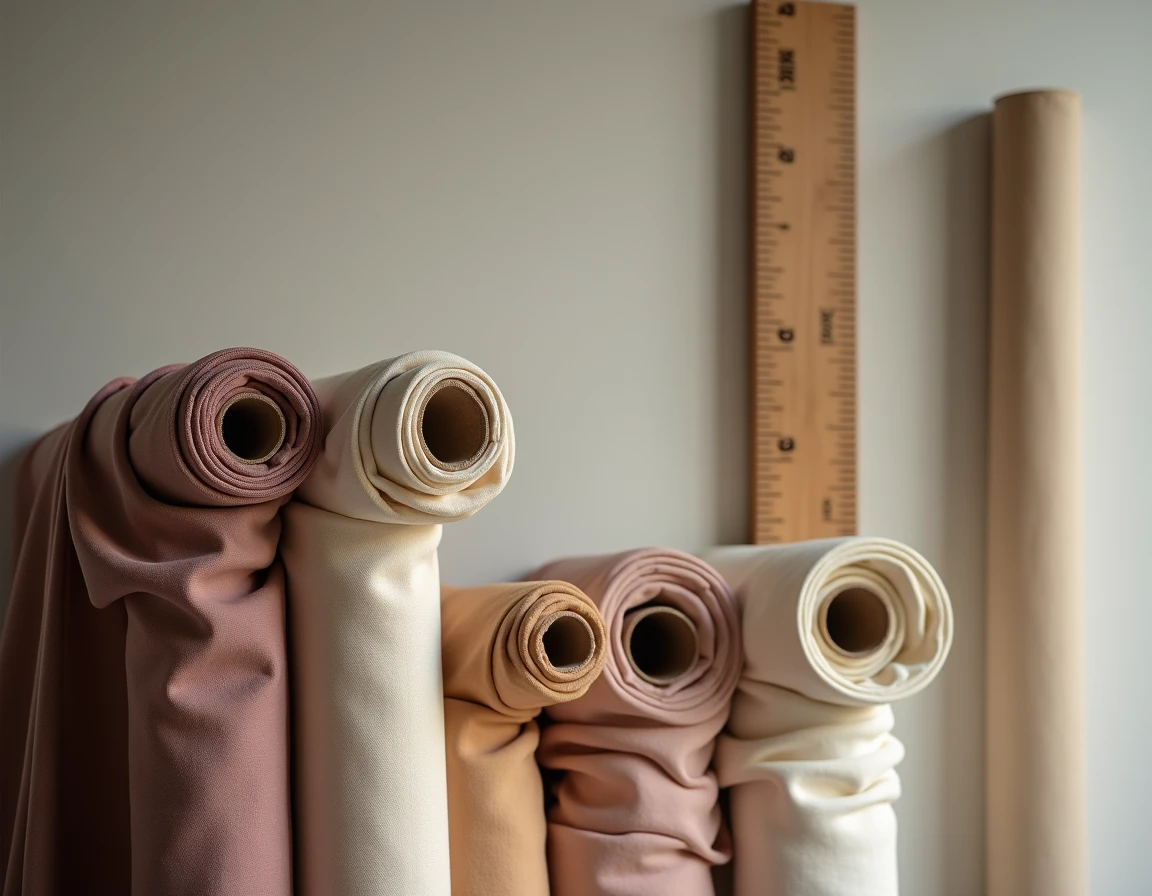
Natural fibers like linen and cotton offer texture and a relaxed, breathable look. Linen wrinkles easily and can fade in strong sun. Cotton holds color well but may shrink if it isn’t pretreated.
Performance fabrics, often polyester blends, resist fading, moisture, and stretching. They suit humid climates, kitchens, or homes with large windows facing constant sun. Many need only occasional dusting or light vacuuming rather than dry cleaning.
Climate should guide the final decision. Coastal homes benefit from moisture-resistant synthetics, while drier climates allow more flexibility with natural weaves. For a broad look at fabric selection by material, see this Custom Curtains & Drapes — Any Size, Any Fabric | HPD collection, which shows how fiber choice affects drape and durability.
Fabric Options Compared by Performance
Fabric choice affects light control, upkeep, and cost more than most people expect. The table below compares three common fabric families across the factors that matter most day to day.
|
Fabric Type |
Light Control |
Durability |
Cleaning Ease |
Price Tier |
|---|---|---|---|---|
|
Cotton and linen blends |
Moderate, filters light |
Good, 5-8 years |
Machine washable or dry clean |
Mid-range |
|
Velvet and heavyweight |
Excellent, near blackout |
Very good, 8-12 years |
Professional cleaning recommended |
Premium |
|
Synthetic and blends (polyester, poly-cotton) |
Low to moderate |
Good, resists fading |
Easy, machine washable |
Budget-friendly |
Cotton and Linen Blends
Natural fibers offer a soft drape and breathable texture. They filter light rather than block it, so pair them with a liner for bedrooms. Wrinkling is common, and colors can fade with strong sun exposure over time.
Velvet and Heavyweight Fabrics
These deliver superior insulation and near-blackout coverage. For rooms needing serious light management, see the top 5 shades for privacy and light in new jersey for comparison options. The extra weight causes more wear on hardware, so sturdy rods matter here.
Synthetic and Blend Fabrics
Polyester and poly-cotton blends resist wrinkling and fading, which makes them practical for busy households. They cost less upfront, though their light-blocking power stays modest. Many local businesses stock ready options like Custom Curtains & Drapes, Any Sizes, Header … for buyers comparing fabric performance before ordering.
Lining Choices That Improve Function
Blackout Lining Benefits
Blackout lining blocks nearly all outside light from entering a room, making it a top choice for bedrooms, nurseries, and media rooms. Shift workers and light sleepers often notice a difference the first night. A panel with true blackout lining can block over 99% of sunlight, turning a bright room into a dark, restful space.
Beyond sleep quality, this lining protects furniture and flooring. Sunlight fades wood, rugs, and upholstery over time. A lined panel acts as a shield, soaking up UV rays before they reach your belongings. For a deeper look at how this fabric layer works, review the benefits of blackout curtains before choosing a style for your home.
The fabric itself benefits too. Direct sun weakens fibers and causes visible color loss on the face of the drape. Lining adds a barrier that slows this damage, helping your window treatment keep its original color and strength for years.
Thermal and Interlined Options
Thermal lining focuses on insulation. It traps air between the window and the room, cutting heat loss in winter and heat gain in summer. Homeowners often see lower energy bills after adding thermal-lined panels to drafty rooms, which makes them a practical upgrade for older homes with single-pane windows.
Interlined curtains add a soft layer of flannel-like material between the face fabric and the lining. This creates a heavier, fuller drape with better sound dampening and insulation. Many local businesses recommend interlining for large windows or rooms facing harsh winter winds. If you’re comparing options for a whole-house project, browsing Custom Curtains & Drapes can help you see how lining choices affect look and price.
Choosing the right combination depends on your climate and goals, whether that’s energy savings, noise control, or year-round comfort.
Selecting Color, Pattern and Texture
Matching Wall Color and Furnishings
Curtains should feel like they belong in the room, not dropped in as an afterthought. Start by pulling a color from an existing rug, pillow, or piece of art. This creates a visual thread that ties the whole space together. A consultant can offer guidance on how to match curtains with your homes color scheme before any fabric gets cut.
For walls painted in warm neutrals like beige or greige, curtains in soft ivory or taupe keep things calm. Bolder wall colors, such as navy or forest green, pair well with lighter fabric that keeps the room from feeling heavy. Contrast matters: aim for at least one shade of difference between wall and drapery, so the curtains read as intentional rather than accidental.
Furniture upholstery counts too. A leather sofa or wood-heavy room often calls for softer, textured fabrics to balance the hard surfaces. Matching undertones, warm versus cool, keeps the room from feeling mismatched.
Mixing Patterns Successfully
Pattern adds depth that solid fabric alone can’t achieve. A good rule is to limit a room to three patterns total, varying the scale. Pair a large floral print on curtains with a small check or stripe on pillows. This keeps the eye moving without feeling cluttered.
Texture works the same way. A nubby linen curtain next to a smooth velvet chair adds visual interest even in an all-neutral palette. Many homeowners choose subtle textures like herringbone or slubbed cotton for exactly this reason: calm from a distance, detailed up close.
Deciding between neutral and bold comes down to personal taste, but it helps to think in terms of commitment. Neutral curtains, ordered through options like Custom Curtains – Any size, any fabric, offer flexibility as decor changes over the years. Bold prints make a stronger statement but should be balanced with quieter furnishings nearby.
Hardware, Rods and Mounting Details
Choosing Rods and Finials
Hardware is not an afterthought. It finishes the window and supports the fabric for years of daily use. Rods come in several diameters, typically 3/4 inch to 2 inches, and the right size depends on panel weight. Heavy velvet or interlined drapery needs a sturdy steel or iron rod, while sheer linen hangs just fine on something lighter.
Finishes matter too. Brushed nickel, matte black, antique brass, and warm wood tones each set a different mood. Finials add personality with shapes like spheres, urns, or simple cylinders. For rooms with wide windows or layered treatments, homeowners often ask about double curtain rods vs single curtain rods, since a second rod lets sheers and blackout panels work together on one window.
Traverse rods and decorative rods with rings each create a different look and glide differently, so it’s worth testing before you commit.
Inside Mount vs Outside Mount
An inside mount sits within the window frame for a clean, tailored look. It works best when the trim is attractive and the frame is deep enough, usually at least 2.5 inches. An outside mount extends beyond the frame, making windows appear larger and hiding uneven trim.
Most designers mount rods 4 to 6 inches above the frame and extend them 6 to 10 inches past each side. This lets panels stack fully off the glass, maximizing light when open.
Operation is another decision. Manual traverse rods and cord-free wands suit smaller budgets, while motorized systems offer convenience for hard-to-reach windows or skylights. Providers offering Custom Drapes can pair either option with the correct hardware for smooth, reliable performance.
How to Measure Windows for a Perfect Fit
Accurate measurements are the foundation of a great window treatment. Before you start, gather a steel tape measure, a pencil, paper, and a step stool. A steel tape gives straighter, more reliable readings than cloth versions. For a full walkthrough with photos, check this guide on how to measure for curtains before placing your order.
Measuring Width Correctly
Width determines fullness. Most window treatments need extra fabric on each side of the frame so panels can stack neatly when opened. Proper width also prevents light gaps along the edges.
-
Measure the width of the window frame itself, from outer edge to outer edge, at three points.
-
Add 4 to 8 inches on each side for rod extension, allowing panels to clear the glass fully.
-
Record the widest of your three measurements to avoid a panel that binds or looks tight.
-
Note any obstacles nearby, like trim, outlets, or radiators, that affect rod placement.
Measuring Length for Different Looks
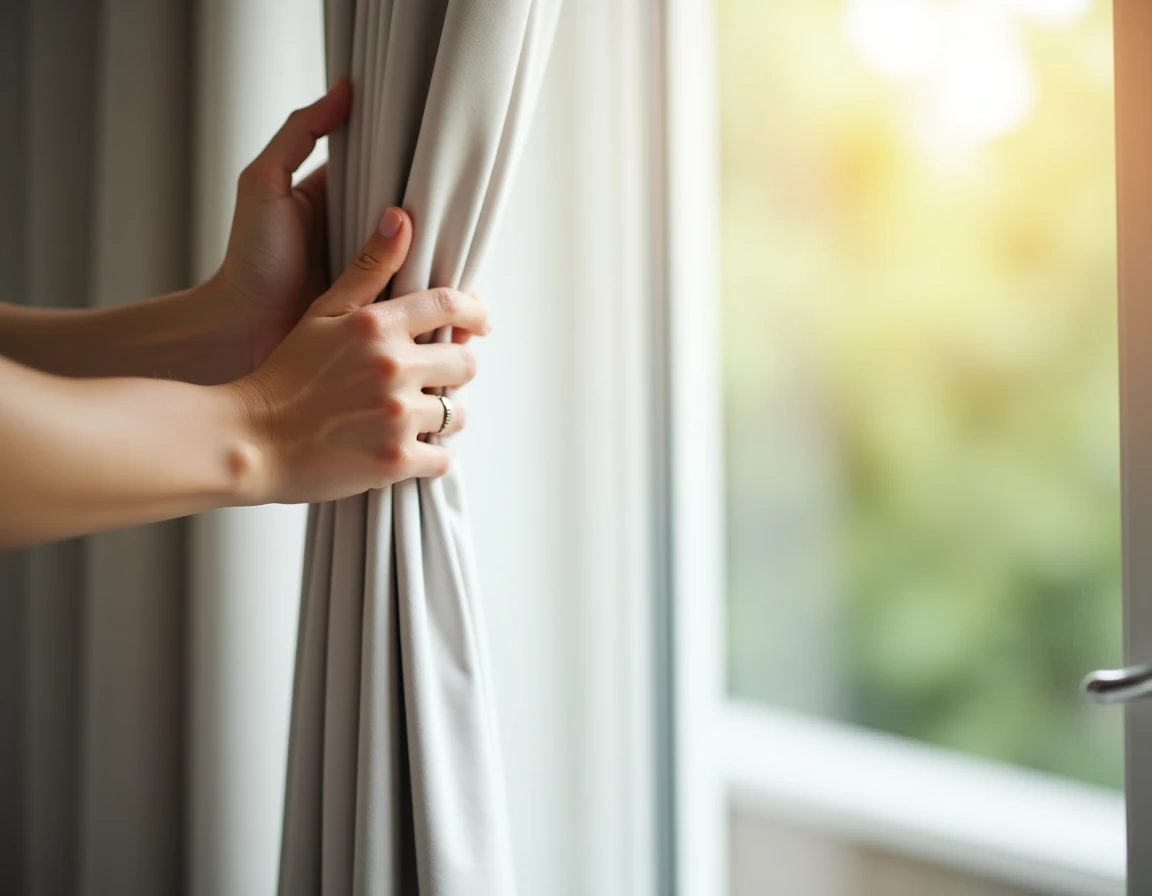
Length shapes the room’s mood. A puddle style pools slightly on the floor, while a tailored look grazes the floor exactly. Measure from the top of the rod to your chosen endpoint, using three vertical points across the window.
Avoiding Common Errors
Small mistakes cause big headaches later. This short video, Custom Curtains: Luxury Look Without the Luxury Price Tag, shows how proper sizing affects both cost and appearance.
-
Measuring only once instead of three times across the window frame.
-
Forgetting to account for uneven floors or ceilings, which throws off length.
-
Using a cloth tape measure that stretches and produces inaccurate numbers.
Custom Curtains: A Step-by-Step Ordering Process
Initial Design Consultation
The process starts with a consultation, often in your home. A design specialist reviews your rooms, discusses style goals, and explains custom curtains costs before you commit to anything. This meeting usually runs 60 to 90 minutes.
Fabric Selection and Measurement
Next comes fabric selection and precise measurement. This stage sets the foundation for a proper fit, since even small errors can throw off how panels hang.
Production and Professional Installation
Once materials are ordered, production begins. Below is a general timeline many local businesses follow, from order to final walkthrough.
|
Stage |
What Happens |
Typical Timeframe |
|---|---|---|
|
Consultation |
Discuss needs, view samples, get quote |
1 day |
|
Measurement |
Technician confirms exact window dimensions |
2-3 days after order |
|
Production |
Panels are cut, sewn, and finished |
3-6 weeks |
|
Quality Check |
Seams, hems, and hardware inspected |
1-2 days |
|
Installation |
Rods mounted, panels hung, final walkthrough |
2-4 hours |
During installation, the technician checks operation, alignment, and fabric fall before leaving. Expect a follow-up call within a week to confirm everything still works as promised.
Comparing Custom Curtains to Other Window Treatments
Curtains vs Blinds
Curtains and blinds solve different problems. Blinds offer precise light control with tilting slats, while curtains bring softness, warmth, and sound absorption that hard materials can’t match. Blinds work well in kitchens and bathrooms, where moisture and grease are concerns. Curtains suit living rooms and bedrooms, where comfort and style matter most.
|
Feature |
Curtains |
Blinds |
Cellular Shades |
|---|---|---|---|
|
Light Control |
Moderate to full blackout |
Adjustable via slats |
Diffused, even light |
|
Insulation |
High (lined fabric) |
Low |
Very high (honeycomb air pockets) |
|
Best Rooms |
Living room, bedroom |
Kitchen, bathroom |
Nursery, home office |
|
Maintenance |
Occasional washing |
Dusting, wiping |
Rare cleaning |
|
Average Lifespan |
10-15 years |
7-10 years |
10-12 years |
Curtains vs Cellular Shades
Cellular shades excel at insulation, trapping air in honeycomb pockets that can cut heating costs by up to 40 percent in some homes. Curtains can’t match that efficiency alone, but they add texture and drama that blinds and shades lack. Many homeowners pair both: cellular shades for daily privacy, curtains layered over top for style. Fabric choice affects performance significantly; reviewing the best fabrics for curtains material pros and cons helps clarify which materials boost insulation and light blocking before you commit to a layered setup.
Budgeting for a Window Treatment Project
Cost Factors to Consider
Several elements shape the final price of a window treatment order. Understanding them helps you plan a realistic budget before you start shopping.
-
Window size and quantity, since larger or numerous windows require more fabric and labor time.
-
Fabric selection, as natural fibers like silk or linen cost more than blended synthetics.
-
Lining type, because blackout and thermal linings add cost but improve performance.
-
Hardware quality, since solid metal rods and brackets outlast lightweight alternatives.
-
Motorization, as automated systems raise upfront cost but add daily convenience. If you’re weighing electronic options, this comparison of automated blinds vs automated shades which smart window t… is worth reading.
-
Installation complexity, particularly for oversized windows, bay configurations, or vaulted ceilings.
Ways to Save Without Sacrificing Quality
Smart spending means splurging where it matters and saving elsewhere. Invest in quality fabric and hardware for main living areas, since these see daily use and visible wear. In lower-traffic rooms, choose simpler linings or standard hardware finishes. Ask about seasonal promotions, which many local businesses offer during slower months. Ordering multiple rooms together often reduces per-window installation costs. Finally, request fabric swatches before committing, so you avoid costly reorders from color or texture mismatches.
Caring for and Maintaining Your Curtains
Routine Dusting and Cleaning
Dust builds up on window treatments faster than most people expect. A quick vacuum with a brush attachment every two weeks keeps light fabrics like linen and cotton looking fresh. For heavier drapery panels, monthly dusting with a microfiber cloth or handheld steamer prevents buildup that can dull colors over time.
Fabric type determines your cleaning schedule. Cotton and polyester blends tolerate gentle machine washing every few months, while silk and velvet need spot cleaning only. Checking care labels before washing anything protects the finish and stitching. If you’re weighing which materials handle daily life best, the top 5 curtains for your new jersey home offers helpful, real-world comparisons.
Sunlight exposure also matters. Rotating panels seasonally, when practical, helps spread out fading rather than concentrating wear on one side.
Professional Care for Delicate Fabrics
Silk, wool, and heavily lined panels often need professional cleaning rather than home washing. Dry cleaners experienced with drapery understand how to handle pleats, weights, and interlinings without shrinking or distorting the fabric. Plan on professional service once every twelve to eighteen months for high-use rooms like living rooms.
Many local businesses offer pickup and rehanging services, which saves time and reduces handling damage. Proper care, paired with careful measuring and quality hardware, significantly extends lifespan. Well-maintained panels can last fifteen years or longer, making occasional professional attention a smart long-term investment.
Common Mistakes to Avoid When Ordering
Fullness and Fabric Quantity Errors
One of the most common errors is underestimating fullness. Flat panels look thin and cheap once hung. Most designers recommend ordering fabric at two to two and a half times the rod width for a rich, gathered look. Skimping here to save money often backfires, leaving curtains looking stretched and skimpy instead of luxurious.
Length and Mounting Mistakes
Length errors are just as frequent. Panels that hover an inch above the floor look unfinished, while ones that pool awkwardly by accident distract from the room. Before placing an order, review this guide on 10 important things to consider when youre buying curtains to avoid costly redos.
-
Ordering panels that end at the windowsill instead of the floor, which shortens the room visually.
-
Choosing a puddle length without accounting for pets, cleaning, or fabric wear over time.
-
Mounting rods too close to the window frame, which blocks light and makes windows look smaller.
-
Skipping a professional consultation and guessing at measurements instead of getting expert input.
-
Failing to account for hardware height when calculating total curtain length.
A professional consultation catches these issues before fabric is cut, saving both time and money.
If you’re ready to see these ideas come to life in your own home, the team at The Curtain has been helping families do just that since 2007, offering premium Hunter Douglas products alongside expert design consultation and installation. Their experience shows in the details, from fabric selection to the final hang, so you can trust the process from start to finish. Stop by for a consultation or book an appointment to start planning window treatments you’ll love for years to come.