Choosing between a double curtain rod vs single rod is a decision about layers, not about hardware taste. A single rod carries one set of panels. A double rod carries two, usually a sheer close to the glass and a lined panel outside it, so one window can filter daylight at noon and close down at night. If you are wondering whether 2 curtain rods for one window is too much for a Palisades Park living room, the answer depends on which way the window faces, how heavy the outer panel is, and how much wall you have around the frame.
Short answer
Use a single rod when one fabric does the whole job, or when a shade already controls light and the panels are there to frame the window. Use a double rod when you want soft filtered light during the day and privacy or insulation from the same window at night. A double needs roughly 6 inches of wall clearance and brackets rated for both layers, so check the wall before you order one.
Double curtain rod vs single: what each setup does
A single rod is one bracket set, one rod, one fabric. It is quick to install, easy to maintain, and it keeps the wall around the window quiet, which suits minimal rooms and windows where straightforward light control is enough. When the panel is the only thing on the window, that fabric has to do everything: privacy, light, and looks.
A double rod puts two rods on shared brackets, one behind the other. The inner rod usually sits about 3 to 4 inches off the wall and holds the sheer. The outer rod sits around 5 to 6 inches off the wall and holds the heavier panel, which is why the front layer clears the back one when you draw it. You get depth, layered light control, and the ability to change the mood of a room without changing the hardware. More on the fabric side of that in our guide to layering curtains.
When 2 curtain rods for one window is worth it
- South and west windows. Afternoon sun through bare glass is hard on furniture and screens. A sheer takes the glare down at 2 p.m. and the lined panel closes at 7 p.m.
- Street-facing bedrooms. You want daytime privacy without living in the dark, then full darkness for sleep. That split is exactly what a double rod solves, which is why it comes up so often in bedrooms.
- Cold rooms in winter. Two layers of fabric hold a pocket of still air at the glass. Pair the sheer with a thermal or lined panel and the window feels less drafty at the sill.
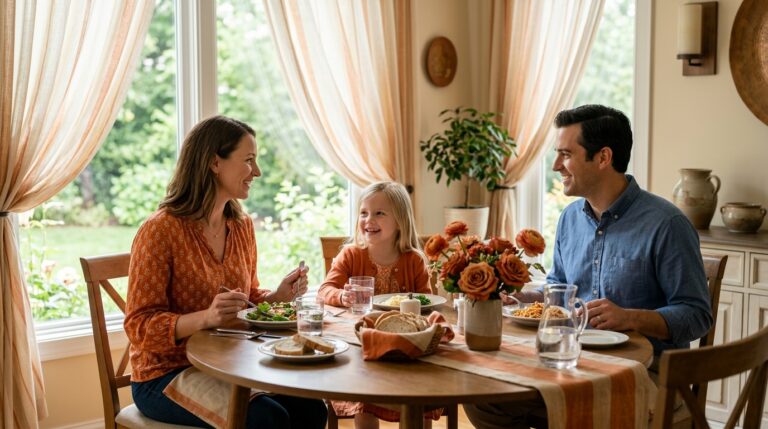
- Formal rooms where the sheer is part of the look. In a dining room the sheer often stays closed and the outer panels are stationary, so the two layers read as one finished treatment.
What a single rod still does better
Wall space decides more of these jobs than people expect. If the window sits close to a corner, a return wall, or a door casing, the outer bracket of a double rod can run out of room and the panel stack crowds the frame. A single rod on a shallower projection often looks better and works cleanly.
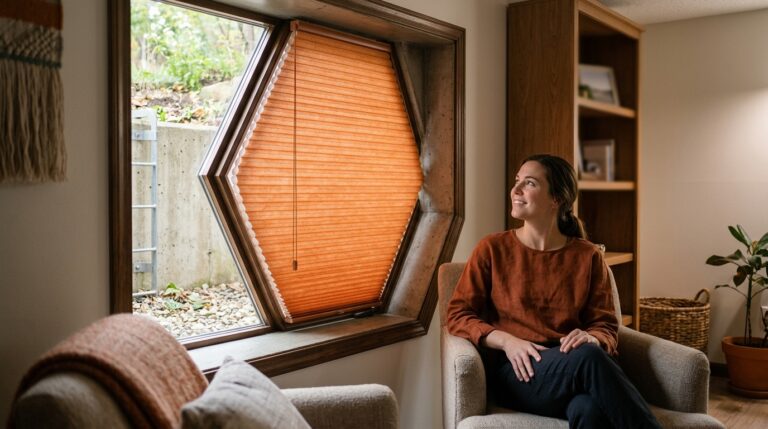
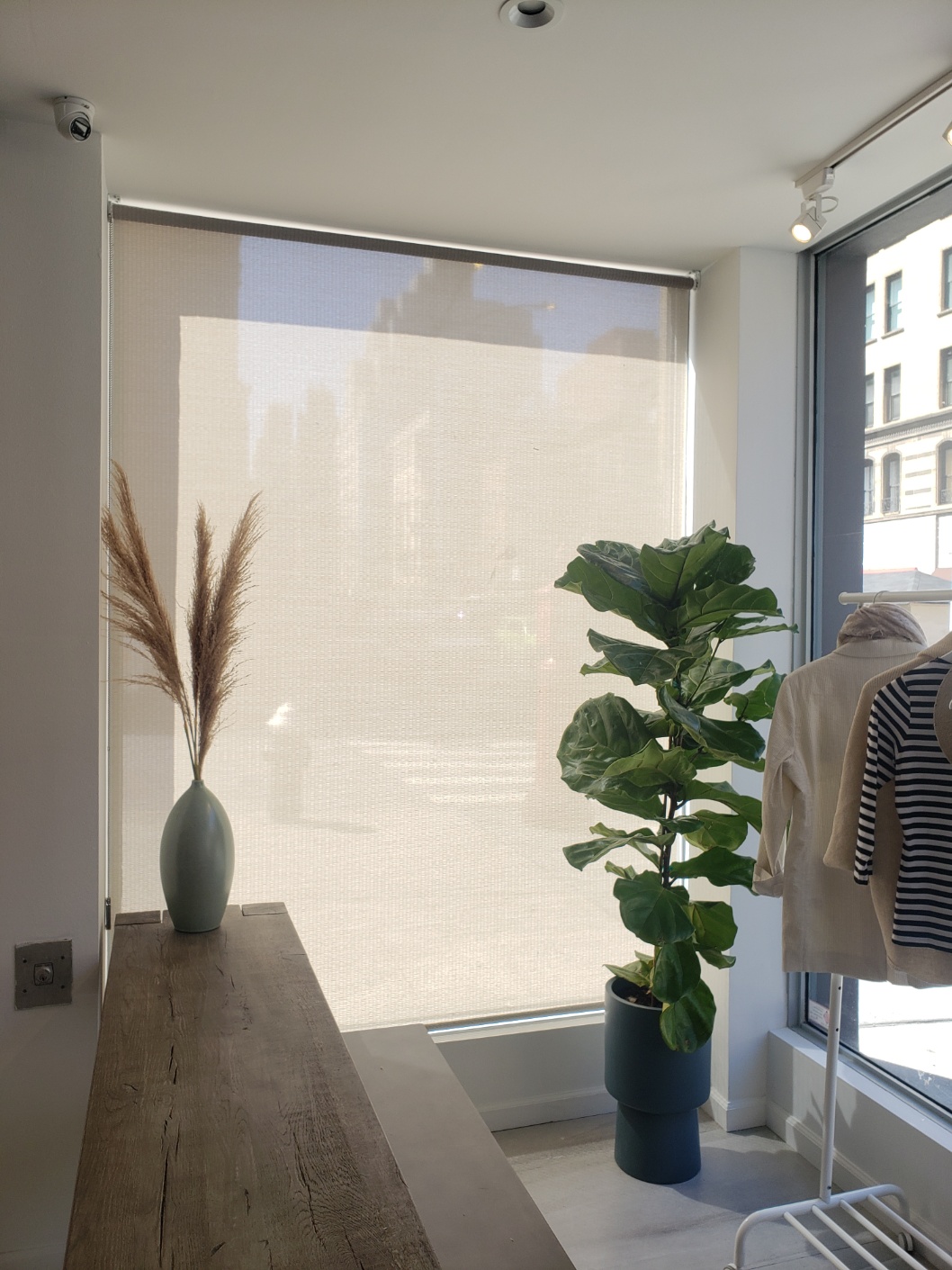
A single rod is also the right call when a shade is already handling light and privacy. A roller shade or a cellular shade inside the frame does the blocking, and panels on one decorative rod frame the window and soften the corners. That combination uses less wall depth than two layers of drapery, which matters on bay windows where brackets meet at the corner posts.
For light fabric in a bathroom or kitchen, a tension rod mounts inside the frame with no drilling at all. It will not carry a lined drape, but it is fine for a sheer or a cafe curtain. Traverse rods, which open and close panels with a cord, and motorized rods, which do it with a remote, both come in single and double versions if you want the layered look without pulling fabric by hand.
Rod diameter, material, and the weight it carries
Diameter follows fabric weight. Sheers and light cottons hang fine on a slim rod around 1 inch, and the thinner profile keeps a delicate treatment from looking heavy. Lined drapery, velvet, and anything floor length wants a thicker rod, commonly 1 3/8 inches, plus a center support bracket once the span passes about 60 inches so the rod does not bow in the middle.
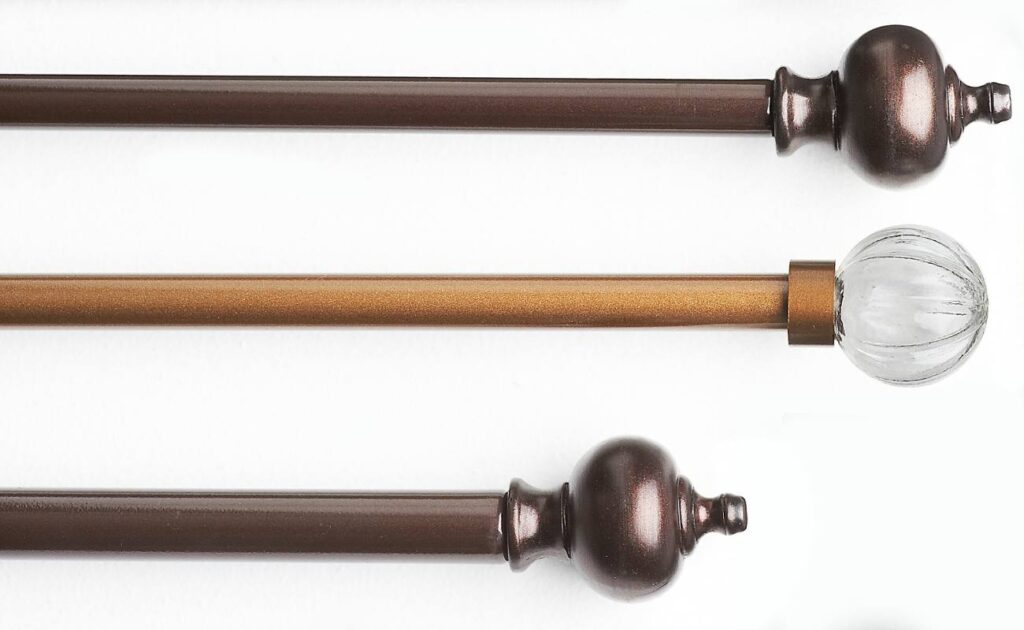
Metal rods in steel or aluminum are durable and read modern. Wood rods bring warmth and suit traditional trim. Adjustable rods fit a range of widths, which is useful on standard openings, though a rod cut to size is steadier on a wide window. Finials are the visible detail, so match them to the room rather than to the panel. Our curtain rod and hardware guide goes deeper on brackets, rings, and returns.
Maintenance is short. Dust the rod when you dust the panels, tighten the bracket screws once a year, polish metal occasionally, and treat wood so it does not dry out. Loose screws, not the rod itself, are what usually fails on a heavy double setup.
Projection, brackets, and mounting height
Mount the rod 4 to 6 inches above the window frame, and run it 4 to 8 inches past the frame on each side so open panels stack on wall instead of on glass. On a double rod, check projection twice: the inner layer has to clear the sill, the casing, and anything already mounted inside the opening. If a shade is in the frame, add the shade’s projection to that number before you choose brackets.
Fasten into studs where you can and use anchors rated for the load everywhere else. Two layers of lined drapery on a wide window is real weight, and brackets chosen for looks alone will pull loose. If you are hanging hardware yourself, our walkthroughs on hanging curtain rods and hanging drapes cover the layout, and how long panels should be settles the hem.
Fabric pairs that hang well on a double rod
| Layer | What it does | Fabrics that work |
|---|---|---|
| Inner rod, closest to the glass | Filters daylight and gives daytime privacy, usually stays closed through the day | Voile, sheer linen, light cotton |
| Outer rod, front layer | Blocks light at night, adds insulation, carries the color in the room | Lined cotton, velvet, blackout lined panels |
| Heading style | Sets how the panel stacks and how deep the folds read | Grommet for casual rooms, goblet or cartridge pleat for formal ones |
One practical note on headings. Grommet panels ride directly on the rod, so they need clearance behind them and can rub a sheer that sits too close. Pleated panels on rings hang a couple of inches below the rod, which leaves the inner layer more room to move. If two layers fight each other when you draw them, the heading and the projection are usually the reason, not the fabric.
What we would put on the window
- Street-facing bedroom in Palisades ParkDouble rod: sheer voile inside, blackout lined panel outside.
- South-facing living room with a picture windowSolar shade in the frame, single decorative rod with lined side panels.
- Dining room where the sheer stays closedDouble rod, sheer front layer, stationary drapery panels at the sides.
- Narrow window tight to a corner or a doorSingle rod, shallow projection, one lined panel that stacks off the glass.
- Kitchen window over the sinkTension rod inside the frame with a washable sheer or cafe curtain.
One layer that can replace the sheer
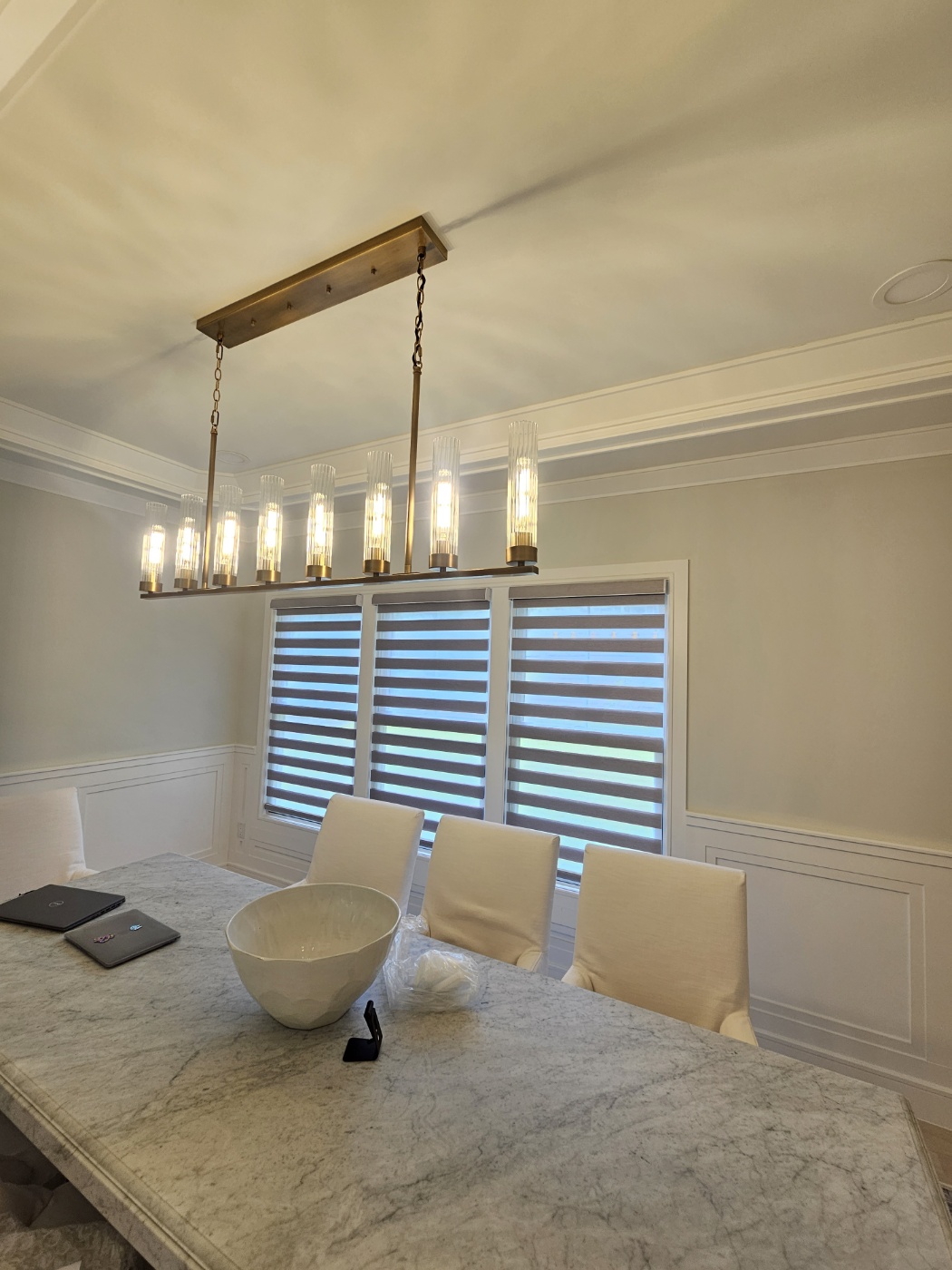
Not every layered look needs two rods. Sheer shadings hang fabric vanes between two sheer facings, so tilting the vanes moves the window from filtered daylight to closed privacy on a single headrail. Zebra shades do something similar with alternating sheer and solid bands that line up as you raise or lower them. Either one takes over the sheer’s job inside the opening, which frees the wall for a single decorative rod and leaves the drapery as a frame. If privacy after dark is the worry, read what people can actually see through a shade at night before you decide, and compare fabrics and openness levels across our full shade range.
From our own installs in Bergen County
See both setups in Palisades Park before you order
The Curtain is a family-owned window treatment showroom at 545 Broad Ave in Palisades Park, New Jersey, and we have been fitting windows in Bergen County since 2007. Owner and designer Sejun Park will walk you through single and double hardware with the actual fabric you are thinking of hanging on it, which is the fastest way to settle a projection question. We sell and install Hunter Douglas shades, blinds, and shutters, and we make custom drapery to your measurements.
Measuring is where double rod projects go wrong, so we do it for you. Book a free in-home measurement and you get a written quote covering the hardware and the panels together, with no guessing at bracket depth from a tape measure and a phone photo. Call (201) 302-9111, see finished rooms in our gallery, or check the towns on our service area page.