You want to divide a room, soften a doorway, or add texture and movement without committing to a swinging door or a heavy drape. Beaded curtains for doorways solve that problem elegantly. They let light and air flow through while still defining the space. But not all beaded curtains are created equal, and the wrong choice can look dated or feel flimsy. This guide breaks down the materials, styles, and installation details you need to choose one that actually works for your home.
What Beaded Curtains for Doorways Are Used For
Doorway Accents vs. Whole-Home Window Treatments
Think of a beaded curtain as a decorative room divider, not a window solution. It hangs in a doorway, sways when someone walks through, and adds texture and color without blocking airflow the way a solid door would. That’s the whole job. A strand of wooden beads or a shimmer of acrylic panels can separate a kitchen from a dining nook while still letting light and conversation pass through freely.
You’ll see them most often in entryways, closets, kitchens, and homes leaning into a boho or eclectic look. They’re cheap, easy to hang, and you can swap them out in minutes if your taste changes. A style like the FlavorThings: Beaded Curtain shows the range available, from natural wood tones to bright, playful color mixes.
But don’t confuse charm with performance. A beaded curtain won’t seal a doorway. It won’t muffle sound. It won’t stop drafts. It’s decoration first, function a distant second. That’s fine, as long as you know what you’re buying.
Doorway Accents vs. Whole-Home Window Treatments
Windows carry a much bigger job than doorways ever will. They manage heat loss, sun damage, and outside noise, none of which beads can touch. If a room feels loud or drafty, the fix isn’t hanging beads somewhere else in the house; it’s looking at noise reducing window treatments designed for that exact purpose. Beaded curtains simply aren’t built to insulate or block sound, no matter how densely they’re strung.
The smartest setups use both: beads for personality at a doorway, real functional coverings on the windows themselves. Pair a beaded curtain in the kitchen entry with cellular shades or roman shades on the nearby windows, and you get style without sacrificing comfort. For more ideas on balancing decorative touches with practical coverings, the blog has plenty of examples worth browsing.
Types of Beaded Curtains and Materials
Choosing a Material for High-Traffic Doorways
Not all beaded strands are built the same, and doorway traffic will expose weaknesses fast. Wood and bamboo beads give you that natural, organic look — think sunroom or beach house — and they’re forgiving if a strand gets yanked. Acrylic and glass beads throw light around a room and read as glam, but glass chips if it hits a doorframe hard enough. Metal chain curtains lean industrial and shrug off rough handling better than anything else on this list.
If you’re still mapping out your options beyond doorway accents, it helps to see beaded styles next to different types of curtains before committing to one look for the whole house.
| Material | Durability | Cleaning Needs | Light-Blocking Level |
|---|---|---|---|
| Wood/Bamboo | Moderate — chips or cracks under heavy impact | Dry dust or damp cloth weekly | Low; gaps let light filter through |
| Acrylic | Good — flexible, resists shattering | Wipe with glass cleaner monthly | Low to moderate, depending on density |
| Glass | Fragile — cracks or chips on impact | Hand wipe, avoid abrasive cloths | Moderate; reflects rather than blocks |
| Metal Chain | Excellent — dents rarely, no cracking | Occasional wipe, rust check in humid rooms | Low; open weave design |
Here’s the honest verdict: none of these materials block light or sound the way real window treatments do. That’s not their job. For care, the fabric backing on some bead panels benefits from the same gentle approach covered in guides on how to wash curtains, particularly for cotton-strung strands. Browsing a wide selection like Beaded Curtains For Doorways shows just how much variety exists in bead size, color, and strand length. And if a renovation means clearing out old curtain rods, hardware, or bulky furniture, a resource like this 40 Yard Dumpster guide is worth a look for sizing your haul correctly.

Where Beaded Curtains Work Best in a Home
Some doorways just don’t need a full window treatment. They need a break, a hint of separation, something softer than a slab of wood swinging on hinges. That’s the sweet spot for beads. A few rooms in particular tend to benefit more than others.
- Closets and pantries often look cluttered no matter how organized they are, and a beaded curtain hides the mess while still letting you grab what you need without fumbling for a knob.
- Studio apartments frequently need a way to split sleeping and living zones, and beads create that visual line without blocking light or making a 400-square-foot space feel boxed in.
- Sunrooms and screened porches benefit from a curtain that moves with the breeze, keeping the space feeling open while adding a touch of privacy from the yard.
- Kitchen entries near a dining room or hallway rarely have room for a swinging door, so beads let you pass through with your hands full, no elbow-nudging required.
- Home offices tucked into open floor plans gain a quiet visual cue that says “working” without walling the room off completely.
None of this replaces real window planning, though. If you’re rethinking a whole room’s look, it’s worth reading up on how to choose curtains for living room spaces before you commit to anything permanent. And if you like the layered, tailored look, browsing options like pleat curtains alongside your beaded doorway idea can help the whole space feel intentional rather than thrown together. For visual inspiration on styles and placement, Bead Curtains for Doors is a useful place to start browsing.
Limitations: Why Beaded Curtains Aren’t Enough for Windows
Noise
Strands of wood, glass, or bamboo beads look great hanging in a doorway. But they’re open, airy, and full of gaps by design. That’s the whole point of a beaded curtain — light passes through, air moves freely, and so does sound. A cellular shade, by contrast, uses honeycomb-shaped pockets that trap air and dampen vibration, which actually slows sound transfer through a window.
Think about it this way: if beads could block noise, they’d stop functioning as a curtain at all. You’d lose the swish and clatter that makes them appealing. Homeowners near busy streets in places like Fort Lee or Route 4 corridors need real acoustic buffering at the window, not just a decorative divider between rooms.
Temperature
Beaded curtains offer zero insulation. There’s no barrier to hold in warm air during a Bergen County winter or block afternoon heat in July. A window is where most conditioned air escapes or enters a room, and only a snug, insulating treatment can slow that exchange. If you’ve ever wondered do curtains keep heat out, the honest answer is: some do, and beaded strands aren’t among them.
Cellular shades, lined draperies, and even thick woven shades trap a layer of still air near the glass. Beads just hang there, spaced apart, letting drafts pass right through. For anyone chasing lower energy bills, that’s a meaningful gap in performance.
UV: What Fabric Window Treatments Solve Instead
Sunlight fades hardwood floors, bleaches upholstery, and yellows wood trim over time. Beaded curtains, hung at an interior doorway rather than a window, do nothing to filter that UV exposure. Real protection comes from light-filtering shades or UV-blocking fabrics installed directly on the glass, where the sun actually enters. It’s worth learning how to protect your furniture with the right window treatments before investing in furnishings you’d hate to see fade.
Many homeowners still love the look. A piece like the Multicolor Wood Bead Door Curtain adds texture and personality to a hallway or closet entry. Layered with proper window coverings, it becomes a style accent — not the thing doing the actual work.

Pairing Decorative Doorway Accents with Functional Window Treatments
Matching Styles Across a Room
Beads handle the visual layer. They swing, they catch light, they mark a threshold without blocking it. But they don’t insulate, they don’t filter sun, and they won’t quiet a room. That’s where actual window treatments step in — beads for interest, blinds or shades for performance. Think of them as two different jobs working the same space, not competitors.
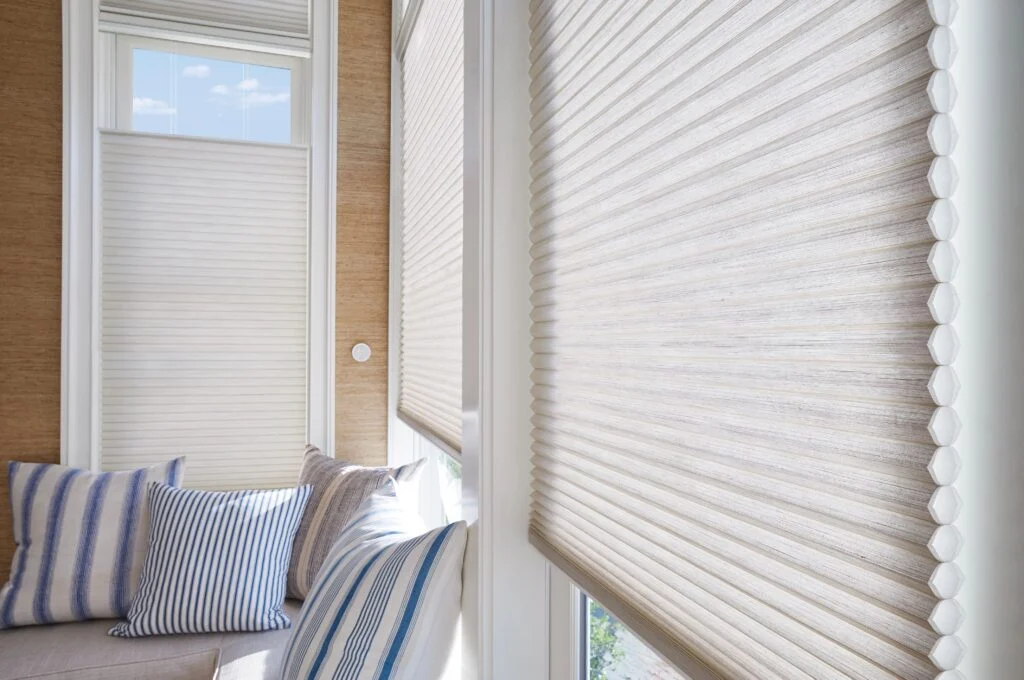
In rooms next to a beaded entryway, cellular shades are worth a hard look. Their honeycomb pockets trap air, which helps stabilize temperature swings between an open kitchen and a drafty hallway — a common complaint in older Bergen County homes with add-on rooms. If you’re weighing curtains against harder window coverings for that space, this comparison of blinds vs curtains choosing the right window treatment lays out the tradeoffs plainly.
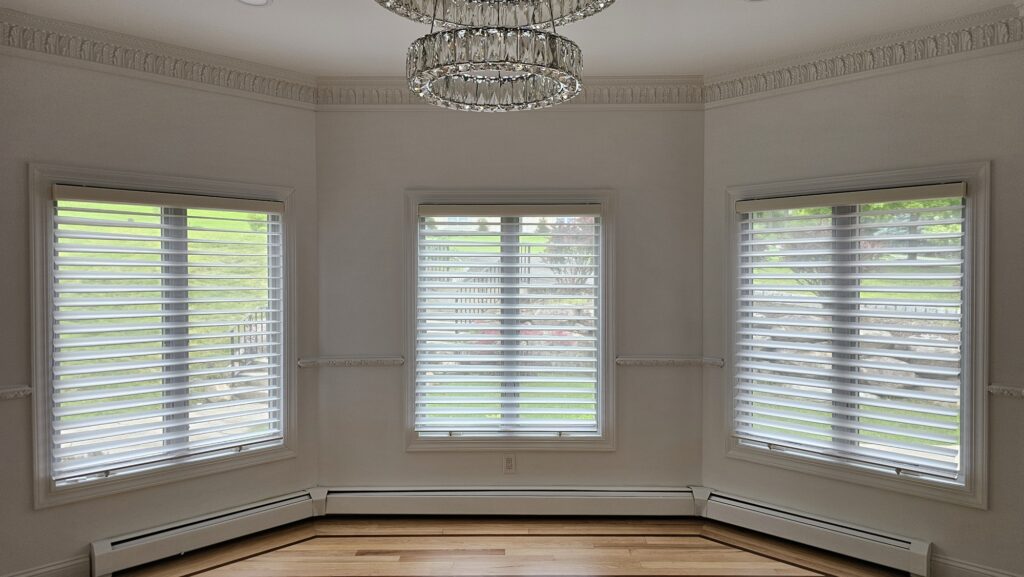
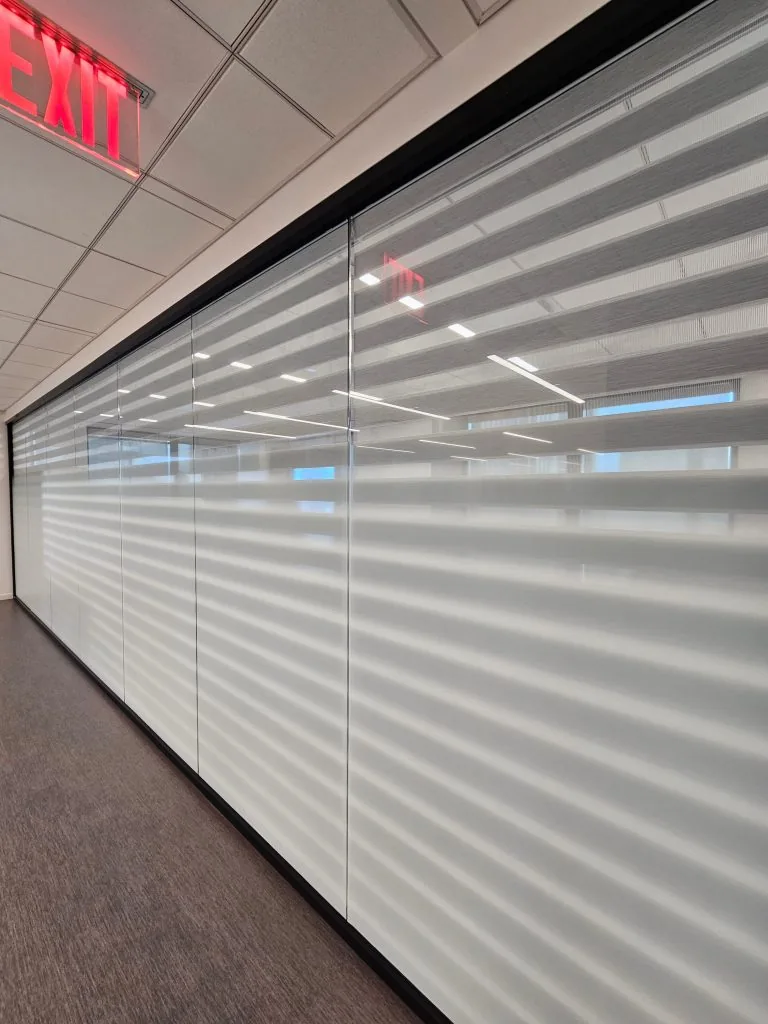
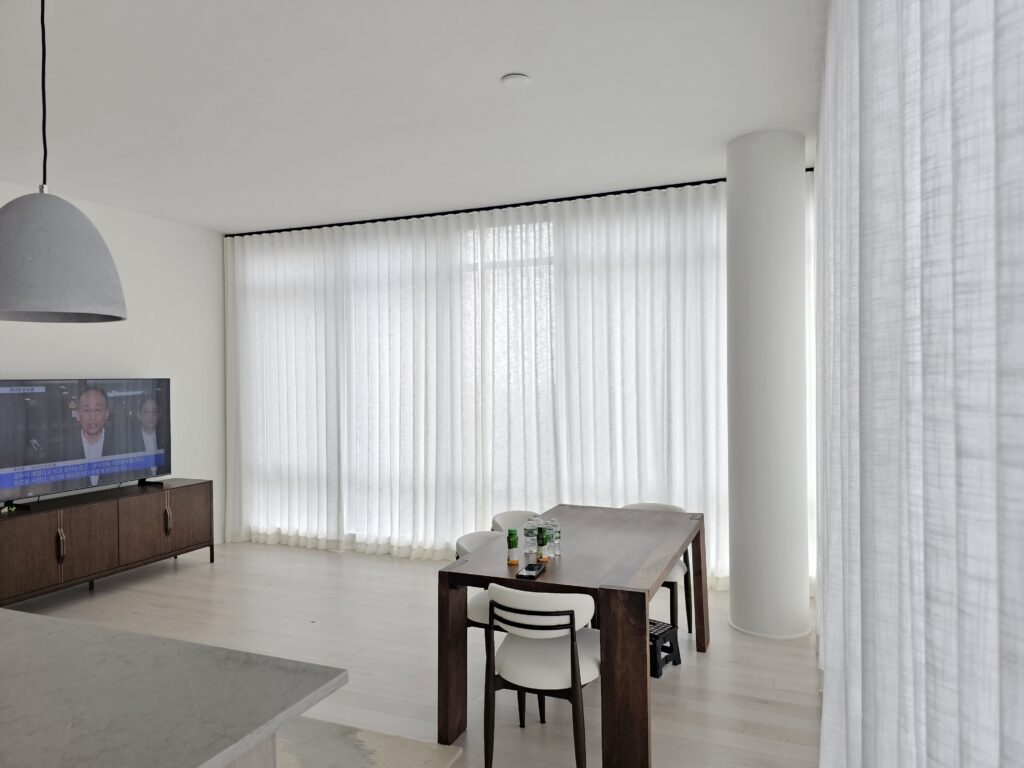
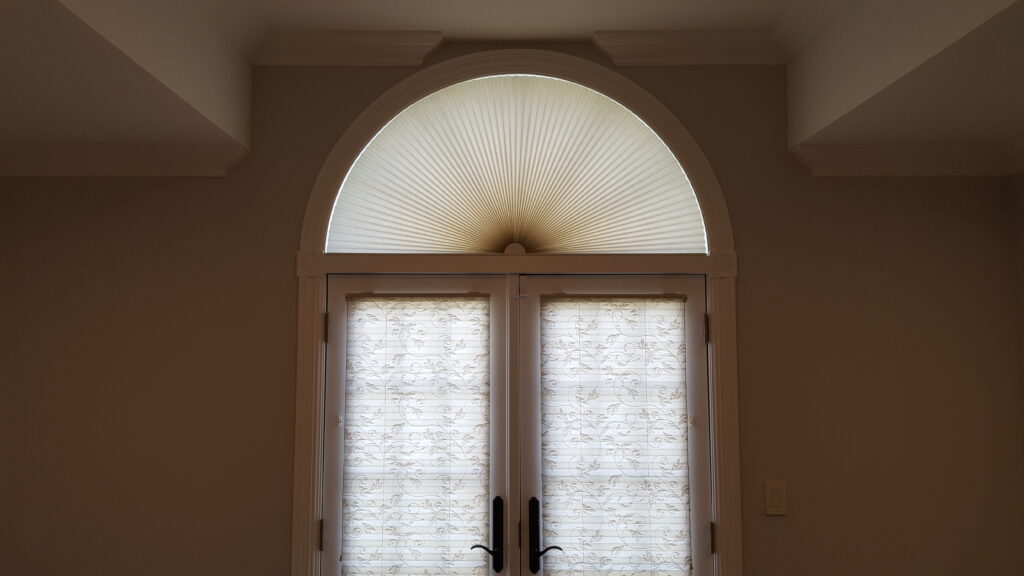
For windows near a beaded doorway, roller or roman shades give you clean light control without competing for attention. Roll them down at midday and the beads stay the star. Sheer shades like Silhouette or Pirouette take it further, softening light while echoing that same layered, textured look beads bring — fabric vanes floating between sheers, movement everywhere. It’s a cohesive feel, not a matched set. And if that entry sits under an arched opening, this guide on how to hang curtains on arched window frames solves a real installation headache. For inspiration on blending textures room to room, jordan | home + lots of plants | I’ve been thinking about… shows it done well.
Beaded Curtains vs. Common Window Treatment Alternatives
Beaded strands look great hanging in a doorway. But how do they stack up against the window treatments most homes actually rely on? Not well, honestly, once you get past looks. Privacy, insulation, and noise control are where the differences get stark.
| Treatment | Privacy | Insulation | Noise Reduction | Maintenance |
|---|---|---|---|---|
| Beaded strands | Minimal — gaps let light and eyes through | None | Almost none | Dusting, occasional restringing |
| Vertical blinds | Full, adjustable coverage | Moderate | Light | Wipe-down, rare repairs |
| Woven shades | Good, with light-filtering options | Moderate to good | Moderate | Occasional vacuuming |
| Custom drapery | Full blackout available | Best of the four | Strongest option | Periodic cleaning, dry cleaning for some fabrics |
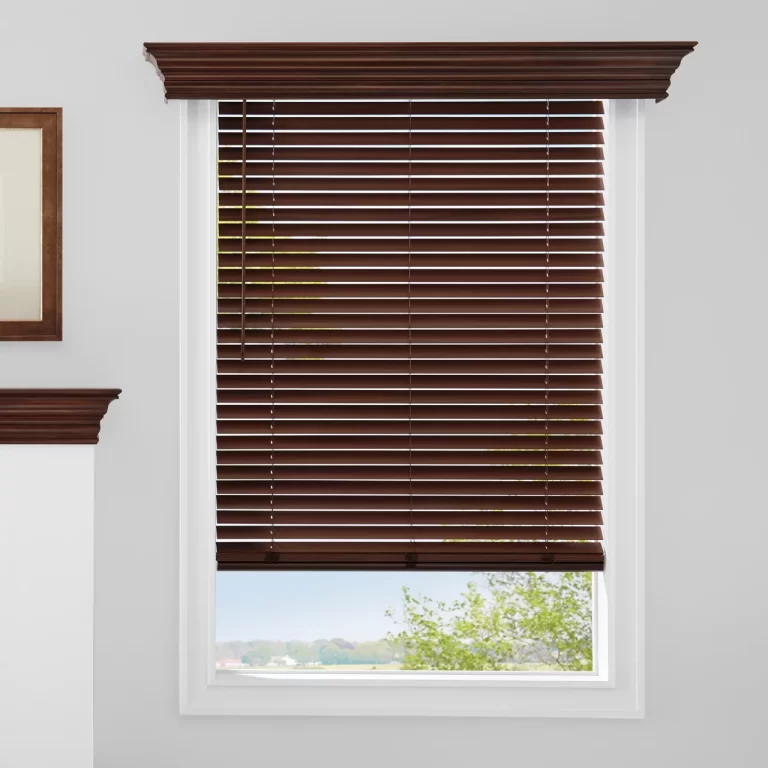
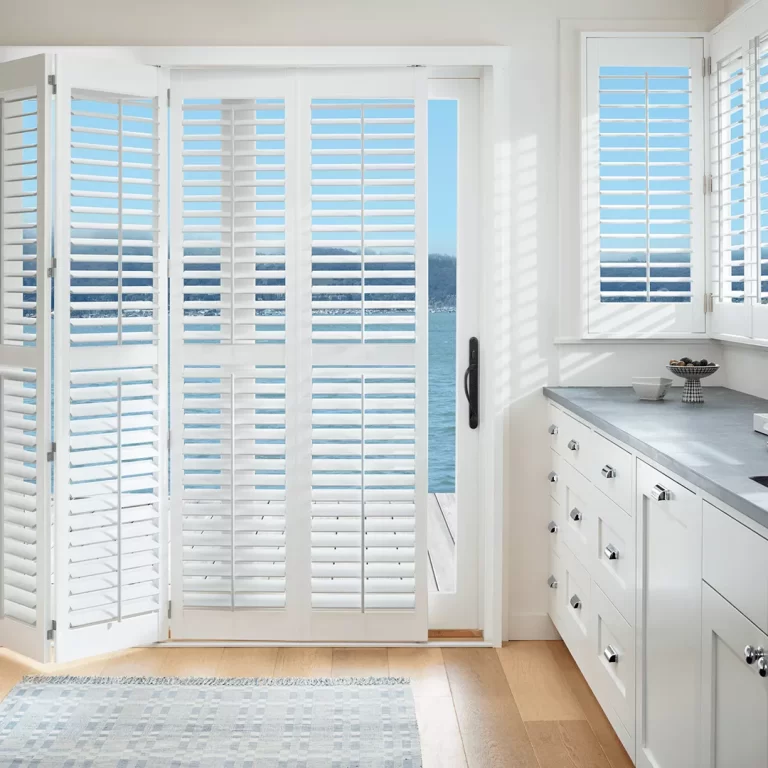
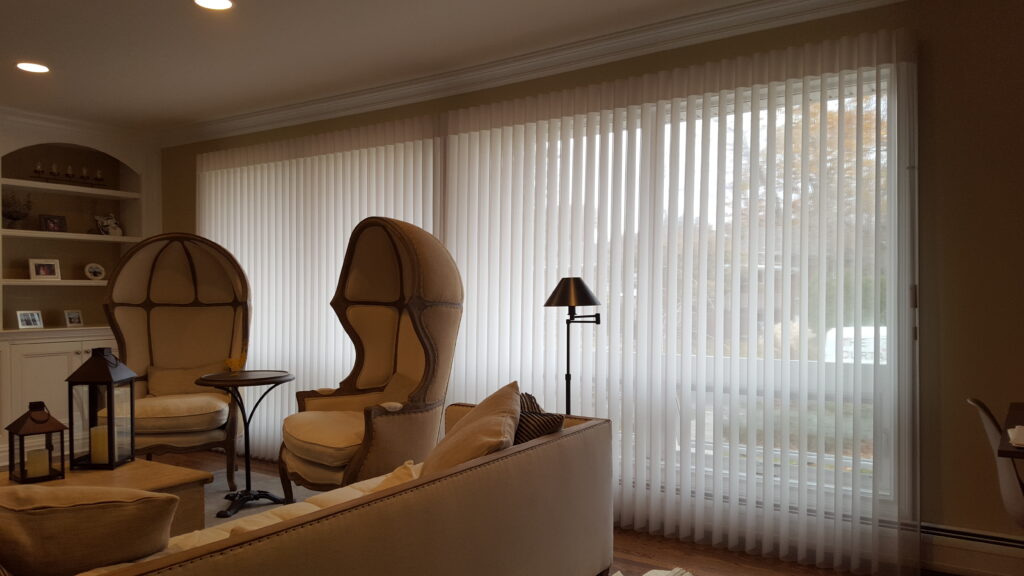
Notice the pattern. Every category beaded curtains lose in, something else wins clearly. For sliding glass doors especially, vertical blinds for sliding glass doors give you far better light and privacy control than any strand of beads ever could — you can angle the slats instead of just pushing beads aside.
Woven shades deserve a mention too. They bring a similar natural, textured look — think bamboo, jute, reed — but add real function: light filtering, some insulation, a cleaner finished edge. If you like the organic feel of Wooden Beaded Curtains, woven shades scratch that same itch on your actual windows.
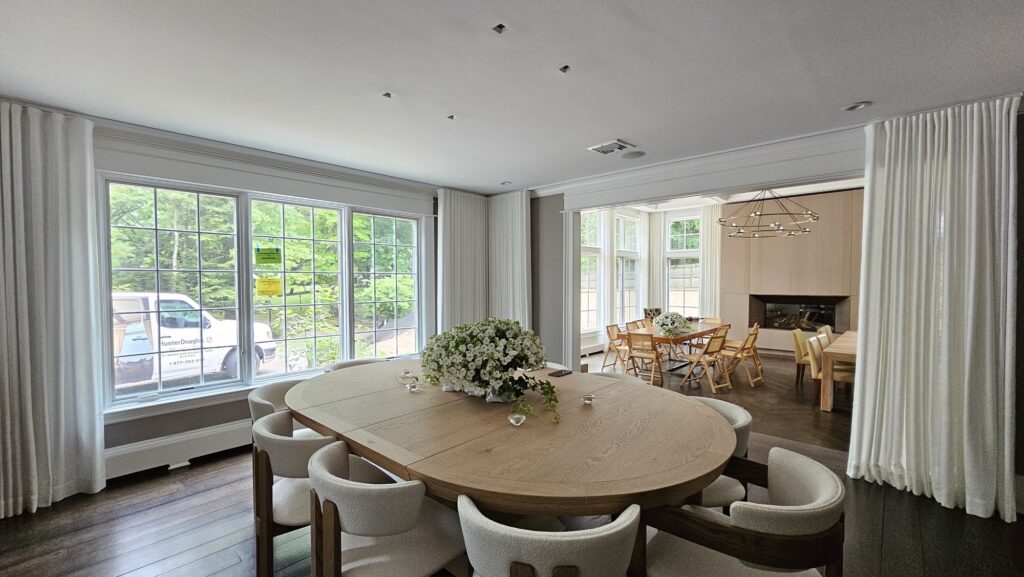
Drapery is the heavyweight here. Nothing beats it for sound dampening. Thick, lined panels absorb noise in a way no beaded curtain, blind, or shade comes close to matching. Beads are decoration. These other options are function. Keep that distinction straight and you’ll place each one where it actually belongs.
Getting Expert Help Choosing the Right Window Treatments
Beaded curtains are easy to picture on your own. Windows are trickier. Where decorative accents end and functional coverage begins isn’t always obvious, and that’s exactly where a free in-home consultation earns its keep. A designer walks your space, room by room, and points out where noise, temperature swings, or sun exposure are actually a problem — versus where a purely decorative touch will do just fine.
What to Expect During a Free Consultation
A good consultation isn’t a sales pitch. It’s a walkthrough. Expect a designer to check each room for three things: sound leaking in from outside, temperature loss near glass, and UV exposure fading your floors or furniture. From there, they’ll suggest window treatments to help keep home cool in sun-heavy rooms, while leaving doorway spaces open for decorative pieces like beads or strands. That balance matters more than people think.
Steps to a Finished Room: From Concept to Installation
Most projects follow a similar path, whether you’re outfitting one room or an entire home. Here’s what that typically looks like:
- Schedule a free in-home visit where a designer measures your windows and doorways and asks about daily light, noise, and privacy habits.
- Visit a showroom in person to feel material samples firsthand, since fabric weight and texture never translate well through a screen.
- Compare functional options against decorative accents, including something like this Unique Bamboo Beaded Curtains for Doorways, Windows … line, to see how they’d sit together in a real room.
- Discuss PowerView automation for shades that need scheduling or remote control, layered behind purely decorative doorway pieces.
- Ask about seasonal promotions, which often apply to specific product lines and can shift the timing of a purchase.
- Finalize an order and installation date, with a local consultant available directly at (201) 302-9111 for any questions along the way.
This kind of guidance is available to homeowners across Fort Lee, Cliffside Park, Edgewater, Leonia, Englewood, Tenafly, Ridgewood, and Franklin Lakes. Skipping the consultation is tempting. Most people regret it once the wrong fabric shows up.
If beaded curtains have you dreaming up new ways to bring texture and movement into your doorways, the design experts at The Curtain would love to help you explore the possibilities alongside their fuller range of custom window treatments. Stop by their Palisades Park, NJ showroom to see options in person, or take advantage of a free in-home consultation to get personalized advice for your space. Ready to get started? Call (201) 302-9111 and let The Curtain’s family-owned team bring your vision to life.