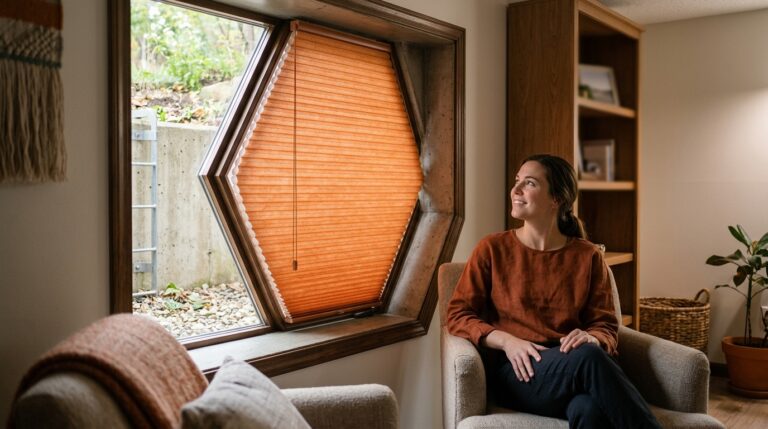
A drafty entryway, a bare doorframe leaking heat, or a room that just feels unfinished without something covering the opening—these are the small headaches that push homeowners to look for a fix. Door curtains solve all three at once. They add insulation, privacy, and style in one affordable upgrade. But with so many fabrics, lengths, and hanging systems on the market, picking the right one isn’t always simple. This guide walks through what you need to know in 2026, from picking a style that fits your space to buying tips that actually hold up over time.
What Are Door Curtains and Why Use Them
The Purpose Behind Door Curtains
Door curtains hang over an entryway instead of a window. They cover open frames, closets, or archways where a solid door doesn’t make sense. Unlike window treatments, they take a beating. People walk through them every day, so the fabric and hardware have to hold up.
Most homeowners buy them to fix a specific problem. Drafts show up often in older homes where gaps form around doorframes. A heavy panel blocks that cold air. Curtains also add privacy to a home office or bedroom nook without the expense of installing an actual door.
Light control matters too. A sheer panel softens harsh sun in a sunroom. A blackout-style fabric keeps a room dark. Some panels cut down on noise, and a few even keep bugs from drifting through a screen door in summer.
Doorway Curtains vs. Traditional Drapery
Traditional drapery frames a window and mostly just sits there looking nice. Doorway panels do actual work. They open and close constantly, so many buyers pick sturdier rod systems or magnetic closures instead of delicate tiebacks.
Length and width differ too. Door panels usually run floor-length and wider than window curtains, so they fully seal the opening. If you’ve dealt with hanging drapes over odd frames before, the guide on how to hang curtains on arched window spaces has tips that carry over to doorways as well.
Popular Rooms and Entryways for Door Coverings
Closets top the list, especially in older homes without sliding doors. Kitchens and pantries use curtains as a cheap way to hide clutter. Patios and sliding glass doors benefit from thick panels that block sun and street noise.
Plenty of homeowners also use curtains as room dividers, splitting a studio apartment or a shared kids’ room. For more ideas, browse the blog for real project examples and seasonal inspiration.
Types of Door Curtains for Every Doorway
Magnetic and Blackout Privacy Panels
Magnetic panels use hidden strips that snap shut behind you as you walk through. They work well on screen doors and French doors that see constant foot traffic. Blackout versions add a dense inner layer that blocks both light and sightlines. These styles fit bedrooms, home offices, and nurseries best, where privacy counts most.
Bead, Strand, and Sheer Door Curtains
Decorative styles focus on airflow and a softer look rather than full coverage. The right pick depends on what the door is for and how much privacy you actually need. Before buying, check a how to choose curtains guide expert tips for every room for sizing and style basics. Common choices include:
- Beaded strands that add texture and movement to open kitchen or pantry doorways
- Sheer voile panels that filter light while keeping a room feeling airy
- Ribbon or strand curtains often used for closets or laundry room entries
- Lightweight cotton panels suited to sliding glass doors in warm climates
- Tension-rod sheers designed for quick, tool-free hanging
Insulated and Thermal Door Drapery
Thermal drapery uses layered fabric to trap air near the doorway. This style works best on exterior doors, drafty entries, and homes in colder regions. Many shoppers compare a Door Curtain marketplace for thickness and backing options before ordering. Thicker linings generally hold up better against temperature swings.
Choosing the Right Fabric and Material
Blackout and Insulated Fabrics
Fabric weight changes how a panel performs. A dense, tightly woven blackout fabric blocks almost all outside light and adds a thermal barrier at the door. Heavier weaves, often 300 grams per square meter or more, trap air between layers and cut drafts near entryways.
Insulated linings work well over French doors or drafty side entries. If you’re weighing hard treatments against fabric for a doorway, this blinds vs curtains choosing the right window treatment comparison breaks down the tradeoffs in energy performance and privacy.
Suede-backed and velvet-faced panels add bulk without much extra weight, which makes them a solid choice for double-door setups where full coverage matters most.
Sheer and Lightweight Fabrics
Sheer fabrics use an open, loose weave that lets light and air pass through. Voile and linen blends give a soft look while keeping doorways feeling open. These lighter options work well on glass doors, where privacy takes a back seat to natural light.
Natural fibers like cotton and linen breathe well but wrinkle and stretch over time. Synthetic sheers, like polyester, resist fading and hold their shape longer, so they’re a durable pick for sliding entries. For fabrics built specifically for glass and patio openings, check these French, Sliding Glass & Patio Doors Curtains.
Easy-Care and Stain-Resistant Options
High-traffic doorways need fabric that cleans up fast. Synthetic blends, treated cottons, and microfiber resist stains and shed dust instead of trapping it. Most are machine-washable, unlike heavier wool or silk panels that need professional dry cleaning.
Natural fibers offer nice texture but demand more upkeep, especially near entrances exposed to weather. A stain-resistant weave saves time and keeps panels looking fresh for years.
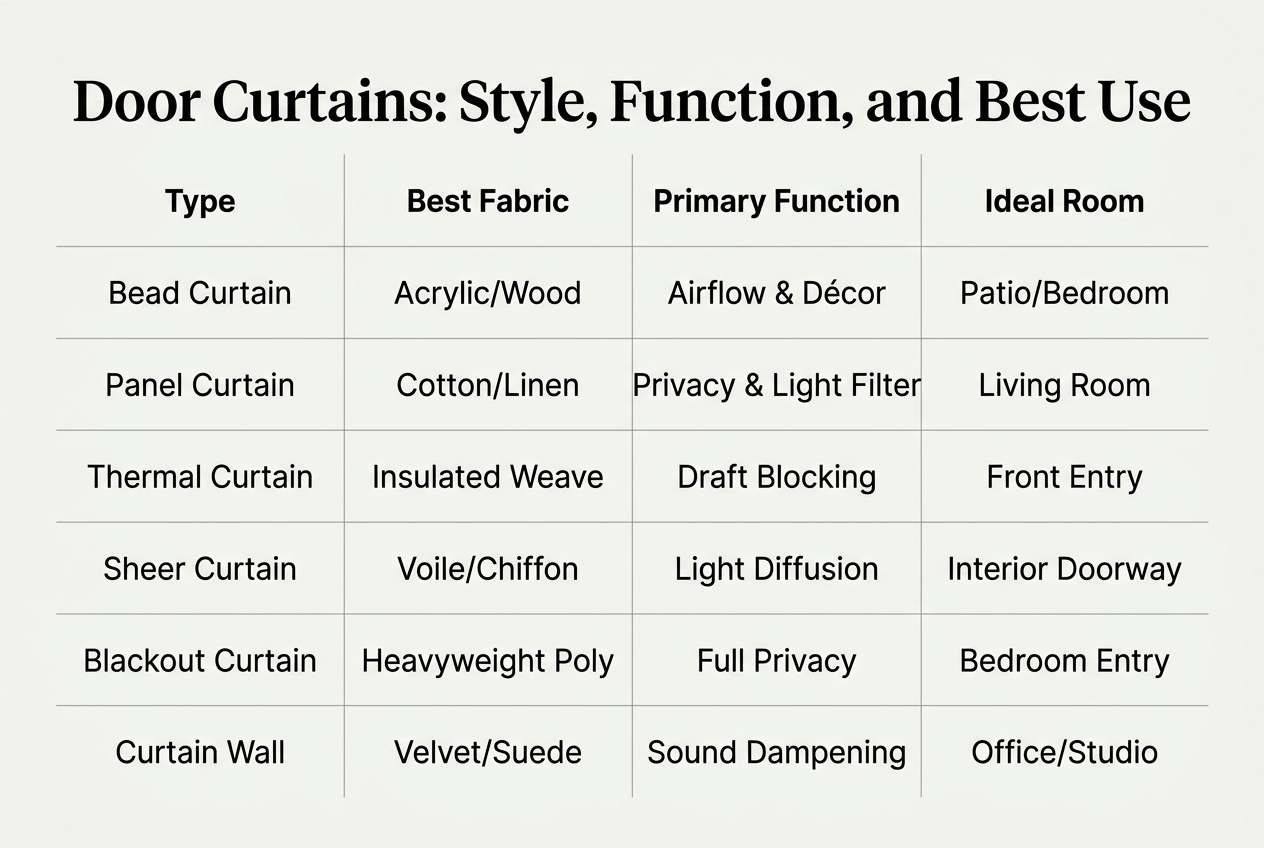
Door Curtains Comparison: Style, Function, and Best Use
Light Control and Privacy Ratings by Style
Some styles block light well. Others let it filter through softly. Matching style to need matters more than picking based on looks alone. The table below shows how common styles compare.
| Style | Light Control | Privacy Level | Best Use |
|---|---|---|---|
| Blackout Panel | High | High | Bedrooms, exterior doors |
| Sheer Panel | Low | Low | French doors, sunrooms |
| Layered Double Rod | Medium-High | High | Living rooms, entryways |
| Bead or Strand Curtain | Low | Low | Closets, room dividers |
| Thermal Weave | Medium | Medium | Drafty doors, hallways |
Insulation and Energy Efficiency Comparison
Thermal and blackout styles trap air near the glass or door slab, which slows heat transfer in winter. Sheer and bead styles offer almost no insulation. Layered setups work best, since a sheer plus a thermal panel doubles the barrier. For more on pairing styles, see how to match curtains with your homes color scheme.
Cost and Maintenance at a Glance
Sheer panels cost less but need washing often. Blackout and thermal panels cost more upfront but resist wrinkling and fading longer. Bead curtains rarely need cleaning, though they do collect dust in the strands. Browse 30 Best Doorway Curtain ideas for visual inspiration before you buy.
Measuring and Sizing for a Perfect Fit
Standard Door Sizes and Panel Dimensions
Most interior doors measure 80 inches tall and 24 to 36 inches wide. Exterior and French doors run wider, sometimes 60 to 72 inches across when paired as a set. Knowing these numbers helps you figure out if a ready-made panel will work or if you need something custom.
A proper width allowance matters most. Panels should extend a few inches past the frame on each side so the fabric fully covers the opening when closed. For height, add extra length if you want the curtain to puddle slightly, or leave it clearing the floor by half an inch.
Measuring for Custom Window Treatments Companies
Accurate measuring starts with a steel tape, not a fabric one—fabric tape stretches and throws off your numbers. Measure width at three points, top, middle, and bottom of the frame, and use the widest figure. For height, measure from the rod placement down to your desired hem length.
Many local businesses that offer custom window treatments will remeasure on-site before production. Still, doing your own check first helps. Reading through a guide on how to measure for curtains before your consultation lets you ask sharper questions and catch mistakes early.
Custom sizing becomes necessary for French doors, oversized entries, or oddly framed openings where stock panels just won’t cut it.
Accounting for Door Swing and Clearance
Which way a door swings changes your mounting plan completely. Curtains need to clear the arc of the door as it opens, or they’ll snag on the handle or hinge side. Mount rods high enough, and wide enough, to keep fabric well out of the swing path.
For French doors, options like Custom Made Double Pocket French Door Curtains attach directly to each panel, moving with the door instead of hanging separately. That removes the clearance guesswork and keeps fabric secure through daily use.
Installation Methods and Hardware Options
Tension Rods vs. Magnetic Closures
Rod pocket panels slide onto a fixed rod through a sewn channel. This gives a clean, classic look and works well for Rod Pocket Door Panels – Curtains. Magnetic closures use hidden magnets along the panel edges, letting the curtain snap shut for privacy and swing open just as easily. Tension rods need no drilling at all and mount inside the frame using spring pressure.
Which one you pick depends on daily use. High-traffic doors do better with magnetic closures. Renters often favor tension rods since they leave no marks behind.
Track and Rail Systems for Sliding Doors
Sliding glass doors call for a different setup. A ceiling-mounted track or rail lets panels glide smoothly without dragging on the floor. These systems handle heavier fabrics and multiple panels, worth keeping in mind when you’re reviewing the best fabrics for curtains material pros and cons.
| Hardware Type | Tools Needed | Install Time | Best For |
|---|---|---|---|
| Tension Rod | None | 5 minutes | Renters, quick fixes |
| Magnetic Strip | Adhesive tape, level | 15 minutes | Daily-use doors |
| Rod Pocket | Drill, brackets, screws | 20 minutes | Permanent styling |
| Ceiling Track | Drill, level, stud finder | 45 minutes | Sliding glass doors |
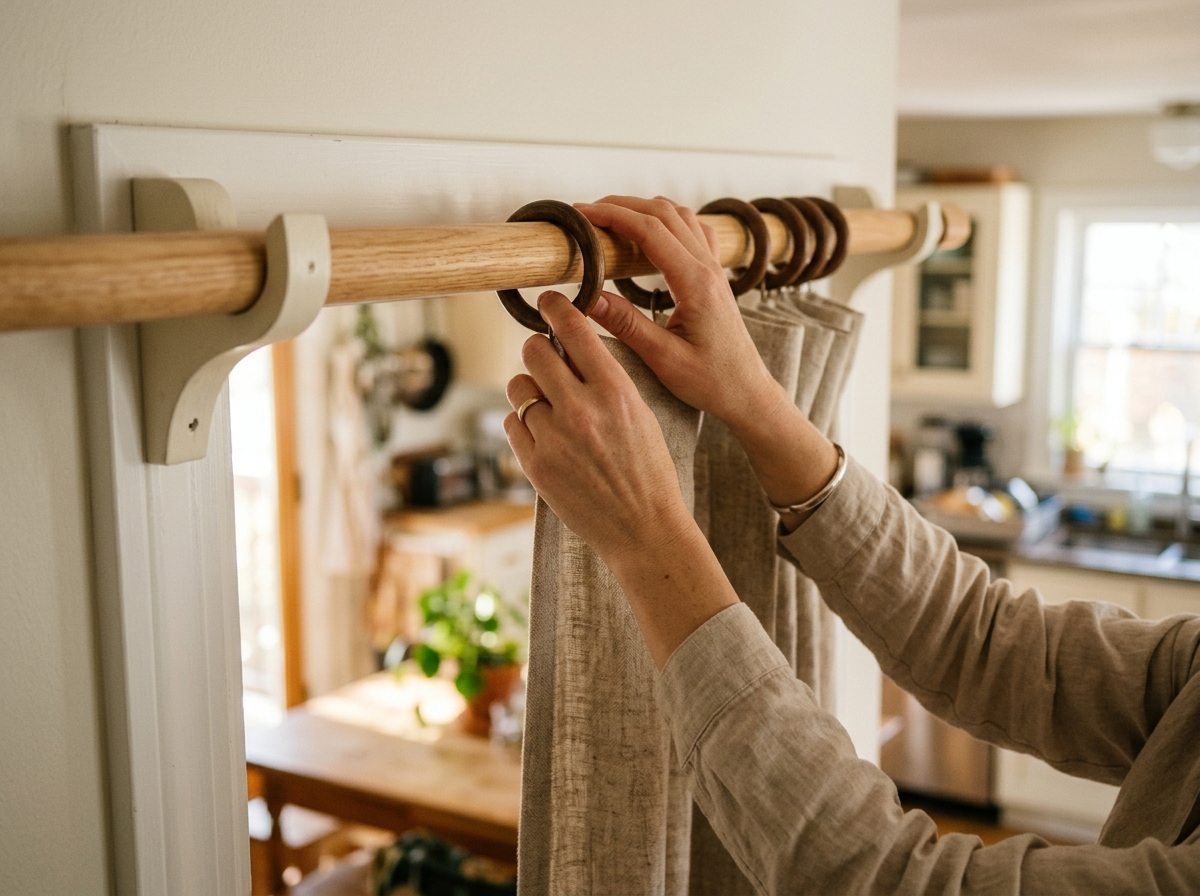
Steps for a Secure, Damage-Free Install
Start by marking bracket points with a pencil and level. Pre-drill small pilot holes so the trim doesn’t split. Tighten brackets firmly, hang the panels, then test the door’s swing before calling it done.
Design Ideas to Match Your Home’s Style
Modern, Farmhouse, and Traditional Looks
Match the panel style to your home’s personality. Modern spaces call for crisp linen or solid cotton in white, charcoal, or greige, hung on slim black rods. Clean lines matter more than pattern here.
Farmhouse styles lean on natural fibers like burlap-blend cotton, cream tones, and simple grommet tops on wood rods. A relaxed, slightly rumpled hem actually fits the look.
For traditional homes, pinch-pleat panels in richer fabrics work well, sometimes finished with trim or tiebacks. Deep reds, navy, or forest green suit older architecture. If you want a quick refresh without a full redesign, diy curtain hacks transform your space with simple upgrades and cost very little.
Color and Pattern Pairing Tips
Pick one dominant color from your entryway rug, wall paint, or the door itself. Repeating that shade in the curtain creates instant cohesion. Neutral rooms can handle a bold stripe or geometric print without feeling busy.
Texture adds depth even in solid colors. Pair a smooth cotton panel with a woven jute doormat, or a heavier linen with metal hardware for contrast. Try not to mix more than two patterns near one doorway.
If you’re still shopping around, browsing a Front Door Curtains | Window & Door Panels selection lets you compare colorways side by side before committing.
Layering Curtains with Blinds or Shutters
Layering adds both function and style. Hang a sheer or lightweight curtain over shutters for softness during the day, then close both at night for privacy. This works especially well on glass-panel entry doors.
Seasonal swaps keep things feeling fresh. Try heavier fabrics like velvet in winter, then switch to linen or cotton once it warms up. Rotating panels twice a year also stretches fabric life and keeps your entryway looking current.
Benefits Beyond Privacy: Energy Savings and Noise Reduction
How Insulated Panels Reduce Energy Costs
Doorways leak air. Gaps around frames let cold drafts in during winter and hot air in during summer. A heavy, lined panel acts as a barrier against that exchange. Thermal insulation keeps conditioned air where it belongs. Homeowners often notice lower heating and cooling bills after adding a curtain to an exterior or garage door. For more, read about the benefits of blackout curtains, since many blackout fabrics use that same dense weave that blocks temperature transfer.
Sound Absorption for Home Offices and Bedrooms
Busy households need quiet corners. Fabric panels absorb echo and muffle noise drifting in from hallways, kitchens, or playrooms. This sound dampening helps anyone working from home or trying to nap during the day.
Added Perks: Pet Doors and Pest Prevention
Curtains offer a few practical extras beyond comfort. Consider these added benefits:
- They let pets pass through freely while still blocking drafts and outside noise.
- They discourage flies, mosquitoes, and other insects from entering through an open doorway.
- They reduce dust and pollen drifting in from porches or patios.
- They shield entryways from direct sunlight that fades floors and furniture.
- Shoppers browsing Door Window Curtains often find lightweight styles suited to screen doors and mudrooms.
Common Mistakes to Avoid When Choosing Door Curtains
Sizing and Proportion Errors
The most common mistake is buying a panel too short or too narrow for the doorway. A curtain that stops well above the floor looks unfinished and lets drafts through. Before ordering anything, check 10 important things to consider when youre buying curtains so you’re not just guessing on width and length.
- Panels hung too narrow leave gaps that ruin privacy and let light spill through the edges.
- Length cut too short exposes the floor and makes a doorway look unfinished rather than intentional.
- Rods mounted directly on the frame, instead of a few inches wider, cause fabric to bunch and block the door.
- Ignoring door swing direction leads to panels catching on handles or hinges every time the door opens.
- Choosing one-size-fits-all panels for oversized or arched doorways, leaving awkward, uneven coverage.
Fabric Choices That Don’t Fit the Room
A heavy velvet panel in a sunny entryway can feel out of place, while a sheer fabric on a busy back door offers barely any privacy. Match weight to purpose. Quick fix: pick mid-weight cotton blends for everyday doors, and save heavier textiles for rooms that actually need insulation or sound control.
Overlooking Door Frequency of Use
High-traffic doors need durable, easy-to-move fabric, not delicate or clingy material that snags or tangles. Frequency matters just as much as style. Quick fix: choose smooth, tightly woven fabric with reinforced hems for doors that get used constantly.
Caring for and Maintaining Your Door Curtains
Washing and Spot-Cleaning Techniques
Cleaning needs depend on the fabric. Cotton and linen panels usually tolerate a gentle machine wash in cold water, while velvet and heavier weaves often need spot-cleaning or professional dry cleaning to avoid crushing the pile. Vinyl or laminated door curtains, common in commercial settings, just wipe clean with a damp cloth and mild soap.
For most homes, a light vacuum or shake-out every two weeks keeps dust from settling deep into the weave. A full wash every one to three months is typical for entryway panels, since they pick up more airborne grime than curtains anywhere else in the house.
Always check the care tag first. A quick stain treatment right after a spill stops permanent marks from setting in, especially near the bottom hem, where splashes and pet paws leave the most residue.
Preventing Wear from Frequent Use
Door curtains take more physical handling than window treatments, so friction points wear out fastest. The area near the opening edge, where hands push the fabric aside daily, tends to thin or fray first. Tab-top or ring styles put less stress on the fabric than pinch-pleat headers, which get tugged constantly.
Adding a weighted hem or magnetic closure keeps panels from dragging on the floor, which cuts down on abrasion. If you own a matching pair, rotating them occasionally evens out sun fading and touch wear across both sides.
Small habits, like teaching kids to pull the frame or rod instead of the fabric, extend the life of high-traffic panels quite a bit.
Signs It’s Time to Replace or Upgrade
Visible thinning, yellowing, or fabric that no longer blocks light means it’s time for new panels. Small tears near seams can often be repaired, but widespread fraying usually makes replacement cheaper than mending.
If you’re unsure about timing, this guide on how often should you replace your curtains gives useful benchmarks based on fabric type and usage. As a general rule, high-traffic door curtains need replacing every three to five years, sooner in busier households.
When to Choose Custom Over Ready-Made Treatments
Limitations of Off-the-Shelf Panels
Ready-made panels come in fixed widths and lengths, usually 84, 95, or 108 inches. Most doorways fall outside these standard sizes. That leaves gaps at the top, fabric dragging on the floor, or panels too narrow to close all the way.
Fabric choices are limited too. You get a handful of colors and weights, not the blackout lining or thermal backing many doors actually need. Hardware often ships one-size-fits-all, which rarely matches French doors, sliders, or arched frames.
Benefits of Professional Measuring and Fitting
A trained consultant measures width, height, and depth down to the eighth of an inch. That precision prevents the light gaps and drafts that come from guessed sizing. Many local businesses offer free in-home visits to check door swing clearance and hardware placement before ordering.
During a consultation, you’ll also learn about the design process of custom window treatments, including fabric samples, mockups, and installation timelines. That guidance helps you avoid costly reorders and makes sure the finished panels actually fit your doorway.
Long-Term Value of Custom Window Treatments
Custom panels cost more upfront, often 30 to 50 percent above ready-made options. But they last longer, hold their color better, and use heavier-duty hardware built for daily door traffic.
Over five to ten years, that durability lowers replacement costs. A proper fit also improves insulation, cutting energy bills tied to drafty entryways. Many homeowners find the investment pays for itself through fewer repairs and better performance overall.
Before you commit to a plan, it helps to be clear about which problem you’re actually solving: if the glass itself has failed — fogging between the panes, cracked or broken sections, worn-out seals — that’s a glazier’s job, and no interior treatment will substitute for proper repair or replacement. Once the window is sound, the questions shift to how much light you want to keep, how much heat you’re trying to hold back, and whether privacy or view matters more in that particular room; insulating cellular shades, solar or light-filtering roller shades, woven woods, and interior plantation shutters all answer those questions differently, and the right choice usually comes down to orientation, how the room is used, and how often you want to adjust things. Take the time to sort the structural issues from the comfort ones, and the rest of the decision tends to get a lot simpler.