How often should you replace your curtains? It depends on which window they hang in, how much direct sun that window gets, and whether the panels were made to measure or pulled off a shelf. If you are looking at a living room panel in Palisades Park that has gone pale on the sunny side while its partner still looks new, this guide sorts out what to clean, what to repair, and what has to go.
Short answer
Plan on replacing curtains every one to three years. That is the usual life of an off-the-shelf panel, while lined, made-to-measure drapery runs well past it and normally fails at the lining, the hem, or the hardware before the face fabric gives out. Replace the panel when the fabric itself is thin, torn, faded on one side, or holding mildew, and repair it when the damage sits in a part that can be taken apart and rebuilt.
Understanding Curtain Lifespan
Two identical panels on two different windows will not age at the same rate. A north-facing bedroom can hold the same cotton panel for years while a west-facing living room burns through one in a couple of seasons. Before you shop, work out what killed the old set, because the same window will do it again.
Factors Affecting Durability
- Sunlight. Direct sun fades color and weakens the fibers, so the fabric thins where the light lands. South and west windows do the most damage. A lined panel takes that hit on the lining first, which is why lined drapery outlives an unlined panel on the same window.
- Dust. Dust is abrasive. Left alone it works at the weave every time the panel moves.
- Humidity. In a damp room, mold develops in the fabric and ruins it. Bathrooms, kitchens, and basements are the trouble spots.
- Handling. Curtains in high-traffic rooms wear faster than the ones in a guest room. The leading edge you grab every night goes first, along with the bottom 12 inches that get kicked and vacuumed.
- Cleaning. Harsh detergents weaken fibers. Gentle washing, or dry cleaning when the label says so, adds seasons.
Natural vs. Synthetic Fabrics
Cotton and linen have the texture and the fall people want, and they are also the most sensitive to light. Expect them to fade and thin faster on a bright window. Linen moves with the weather too, so hems drop slightly in a humid August and pull back up in a dry heated house in January.
Polyester and poly blends resist sunlight and moisture and hold color much longer, which is why most blackout and thermal linings are synthetic. Velvet sits in between: heavy, good at blocking light and drafts, and it wants dry cleaning rather than a wash. Matching the fiber to the window changes your replacement cycle more than anything else.
Signs It’s Time to Replace Your Curtains
Wear and Tear Indicators
Look for fraying edges, thinning fabric, and holes. Those mean the panel has run out of life, and cleaning will not bring it back. Fading counts too. Pull one panel across so both hang in the same light. If the sun side reads a different color, that fabric has lost strength along with the color.
Blackout panels fail in their own way. The coated liner cracks along the fold lines, and you start to see pinholes of light through the folds and up at the header. Once the coating flakes, the panel is finished as a blackout panel even if the face fabric still looks good. That is the real answer to how long a blackout curtain lasts: as long as its coating, not as long as its cloth.
Evidence of Mold and Mildew
Curtains in high humidity grow mold and mildew, which show up as dark or grey spots and bring a musty smell. Washing often fails to clear the spores and the odor comes back. That is a replacement, not a repair. Fix the cause at the same time by ventilating the room, and on a window that stays damp, consider a treatment that is not fabric at all. Our bathroom window treatment guide covers the moisture-tolerant options.
Repair It or Replace It
Worn curtains are not automatically a purchase. Work out whether the fabric is finished, or whether the problem sits in a part a repair can rebuild.
| What you are seeing | What it usually calls for |
|---|---|
| Hem has dropped, or one panel hangs longer than the other | Repair. The panel is rehemmed and the weights reset. |
| Rings, hooks, or pleat tape pulling loose at the header | Repair. The header is rebuilt and the face fabric stays. |
| Rod sagging in the middle, brackets working loose | Hardware. Add a center support or move to a heavier rod. |
| Lining shredded or blackout coating flaking, face fabric still good | Reline. New lining goes behind the fabric you already like. |
| Fabric thin, torn, or clearly faded on the sun side | Replace. Nothing puts fiber back once it is gone. |
| Shade cord, chain, or motor not running | Repair the mechanism, not the shade. |
If the shade is motorized, run a reset before you call it broken. A dead remote and a dead motor look identical from the floor.
Maintaining Your Curtains
Plenty of curtains get replaced years early because nobody ever cleaned them.
Proper Cleaning Techniques
Silk and velvet want dry cleaning. Sturdier fabrics usually take a gentle machine wash, and heavily soiled panels do better hand washed. Read the label first, because lined drapery is the trap: face fabric and lining shrink at different rates in water, and a panel that fit the window on Saturday can be 2 inches short on Sunday. Send lined and interlined panels to the dry cleaner.
Between cleanings, vacuum both sides with a brush attachment every month or two, top to bottom. If the fabric comes back creased, our guide to getting wrinkles out of curtains has the low-risk methods.
Recommendations for High- and Low-Traffic Areas
In living rooms and kitchens, aim for a proper clean every three months. Kitchen panels also collect grease, which sets into the weave and holds dust. Kitchen windows are often better served by a wipeable shade than by fabric in the first place.
Guest rooms and formal dining rooms can go a year. Dust them when you dust the room and check the hardware while you are up there. A loose screw and a leaning bracket do more damage than sunlight does.
Choosing Replacement Curtains
Evaluating New Curtain Options
If one window has already eaten two sets of panels, change the treatment, not just the fabric:
- Sun that never lets up. Put a solar shade at the glass behind the panel. The mesh takes the glare and the UV, the drapery stays decorative, and both last longer.
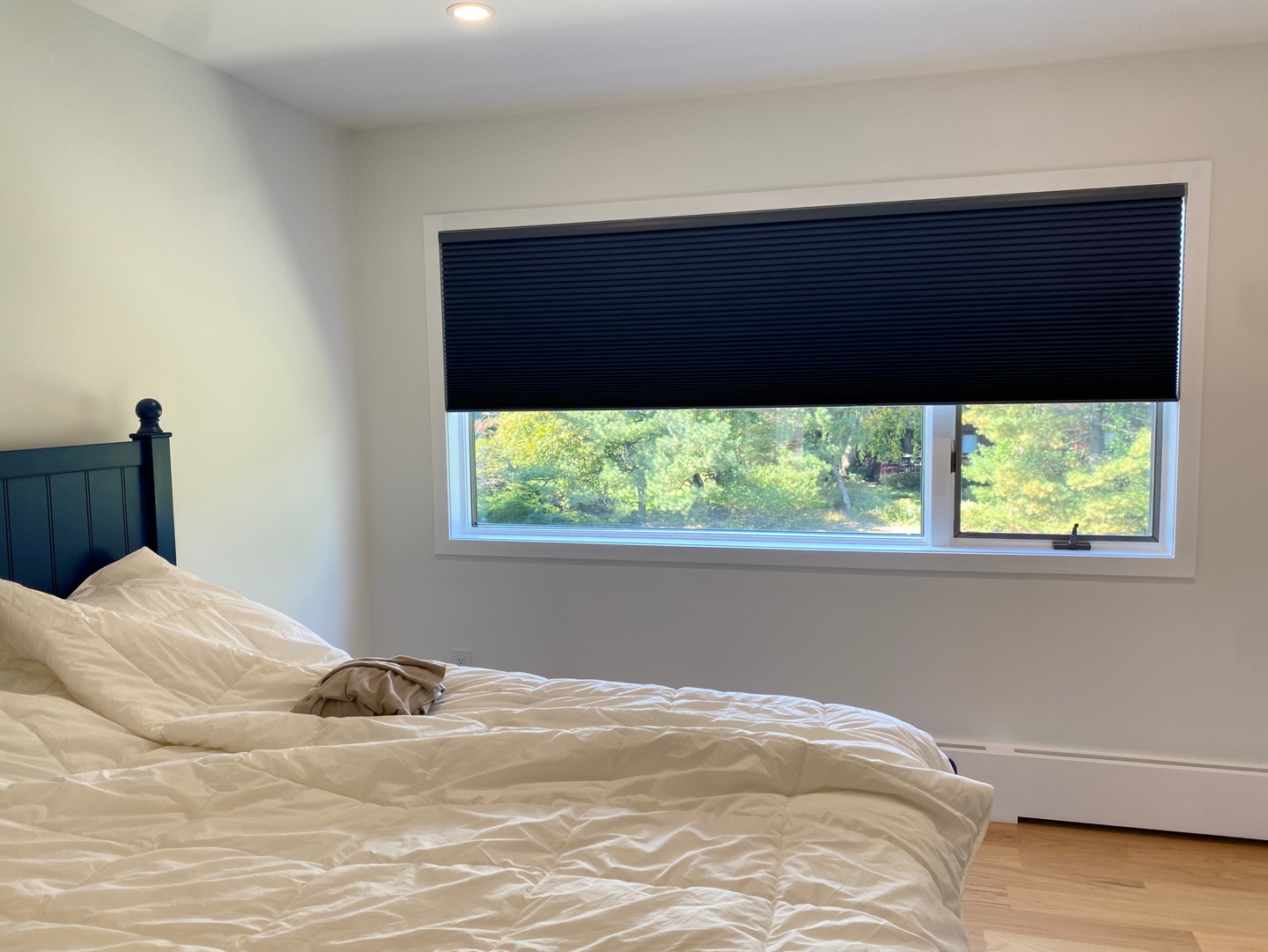
- A bedroom that has to go dark. A blackout shade or a cellular shade fitted inside the frame seals the opening better than a panel, which leaks light at the sides.
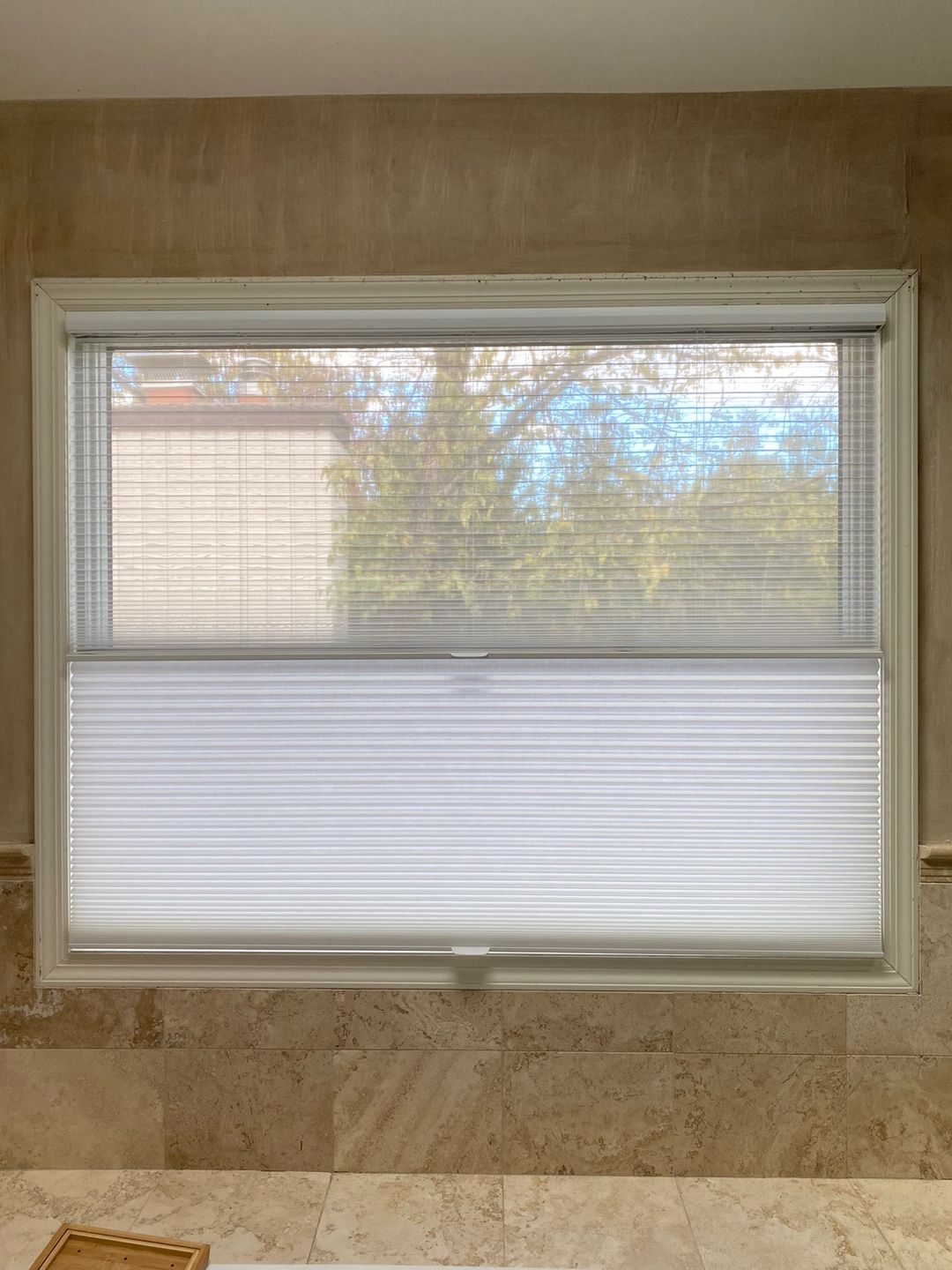
- Cold drafts in winter. Cellular shades trap air inside the cell, and lined drapery over them adds a second layer. Our thermal curtain guide covers what actually slows heat loss.
- You liked the look, not the wear. Rebuild the same style in a heavier or more light-stable fabric. Custom window treatments let you keep the design and change only the part that failed.
For most living rooms, layering is the long-life answer: sheer or shade at the glass, drapery at the edges. See how to layer curtains.
Visual and Functional Considerations
Measure fresh rather than reusing the old panel size. Two numbers are worth fixing while you have the chance. Height: mounting the rod nearer the ceiling than the frame makes the window read taller, and the panel should reach the floor rather than stop above it. Width: the pair needs enough fabric to cover the window with fullness when closed, not just span it.
Then match the header to the hardware. Grommet, rod pocket, pinch pleat, and tab top each want a different rod, so choose them together. The hardware guide and the grommet curtain guide cover the pairings, and there are better uses for the old set than the trash.
How Often Should You Replace Your Curtains in a Bergen County Home?
Local conditions move the number. We get a humid July and August, then months of dry heated air, and older houses often run a radiator or baseboard right under the window, working on the bottom of the panel from below. Winter condensation on single-pane glass wets hems. South and west exposures take long afternoon sun with nothing to break it.
So let the sun-facing rooms set your schedule. A north-facing bedroom panel that gets cleaned on time is often still fine when the living room set is on its third replacement, and the same pattern shows up across our service area.
From our own installs in Bergen County
See the Fabric Before You Buy It Twice
Judging fabric from a photo is how people end up replacing curtains twice. The Curtain is a family-owned window treatment showroom at 545 Broad Ave in Palisades Park, in business since 2007 and serving Bergen County. Owner and designer Sejun Park runs it, and seeing the real fabric in daylight before you order is the point of coming in.
We are a Hunter Douglas partner, so we sell and install Hunter Douglas shades, blinds, and shutters, and we make custom drapery as well. We also repair what you already own when repair is the right call. Measuring in your home is free and the quote comes in writing. Call (201) 302-9111, browse the gallery and reviews, or book a free consultation.