If you are searching for drapery fabrics with best insulation for a Bergen County home, the face fabric is only half the story. Cotton, linen, polyester, velvet and silk each hang, filter light and hold heat differently, but the lining behind them and the way the panels are sewn matter just as much. This guide compares the five fabrics on look, light, insulation and upkeep, then explains how custom drapery comes together at our Palisades Park showroom.
Get Ready for the Perfect Drapes
Start with the job the drape has to do, not the color. A west-facing living room in Fort Lee needs glare control in the afternoon. A bedroom over a busy road needs weight and darkness. A drafty double-hung window in an older colonial needs a lined panel that traps air against the glass. Decide that first and the list gets short.
Why Your Curtain Fabric Choice Matters
Your curtain fabric filters light, controls privacy and affects the temperature in the room. Here is what it decides:
- Light control: Thick fabrics like velvet block most of the light. Sheer materials like voile or organza let sunlight in without giving up privacy entirely.
- Thermal insulation: Heavier or lined fabrics insulate the window, keeping heat in during winter and out during summer.
- Look and feel: A crisp cotton feels fresh and casual, velvet feels warm and formal, and a sheer keeps the daylight while softening the view.
Drapery Fabrics With Best Insulation, Ranked
Judged by the face fabric alone, velvet insulates best, followed by heavy cotton and tightly woven polyester. Linen and silk are lighter weaves and do little on their own. Velvet’s dense pile holds a layer of still air against the glass.
In practice the lining does more than the fabric. A standard cotton sateen lining adds one layer of trapped air. Interlining, a layer of soft flannel sewn between the face fabric and the lining, adds a second, and it is one of the biggest upgrades you can make for a cold window. With interlining, even a silk or linen panel behaves like a much heavier drape. That is what makes lined drapery one of the more energy-efficient window coverings for an older house.
Construction counts as well. Floor-length panels mounted close to the wall and wide enough to cover the frame stop air from circulating around the edges, and panels sewn at two to two and a half times fullness trap more air than a flat panel. See our thermal curtains guide and do curtains keep heat out.
Cotton: The Casual Classic
Cotton is the most popular drapery fabric for a reason. It is affordable, breathable and takes color and print well, so it works in a living room, a kid’s room or a kitchen. A lined cotton panel is a solid mid-weight choice for insulation.
- Pros: Breathable, easy to clean (most unlined cotton is machine washable) and available in more colors and patterns than any other fabric.
- Cons: Cotton can shrink if it is washed hot or was not pre-washed, so custom cotton drapes are usually lined and dry cleaned. Unlined cotton also fades on a sunny window.
Linen: The Effortless Airiness
Linen gives a relaxed, textured look that suits contemporary, coastal and minimalist rooms. Its open weave filters daylight into a soft glow without harsh glare, a common choice for rooms that do not need to go dark.
- Pros: A natural, slightly rumpled drape, gentle light filtering and a fiber made from flax that is relatively sustainable to grow.
- Cons: Linen wrinkles easily (a linen-cotton blend holds its shape better, and steaming handles the rest). Pure linen can be pricier than cotton or synthetic blends, and on its own it insulates poorly, so line or interline it on a drafty window.
Polyester: The Budget-Friendly Powerhouse
Polyester and polyester blends are the workhorse fabrics. They resist wrinkling, fading and shrinking, and they come in everything from sheer voiles to heavy faux-silk and faux-velvet weaves.
- Pros: Durable, machine washable in most cases, wrinkle resistant and inexpensive compared with silk or velvet. Dense polyester weaves insulate well once they are lined.
- Cons: Less breathable than cotton or linen, so it is not the best choice for a humid bathroom. Cheap polyester looks flat and shiny, so pick a heavier weight with a matte finish.
Velvet: The Luxurious Statement
Velvet is the fabric to choose when the drape has to do the most work. Its dense pile blocks light, dampens street noise and insulates better than any other face fabric, so a lined velvet panel suits a bedroom, a formal living room or a dining room with a big cold window.
- Pros: Rich texture, strong light and sound reduction and the best insulation of the five fabrics. Our velvet curtains guide compares cotton and polyester velvet.
- Cons: Velvet is heavy. It needs a sturdy rod or track anchored into studs or solid blocking, and velvet is usually dry clean only.
Silk: The Timeless Elegance
Silk has a soft sheen that catches light like no other fabric, and it takes color with real depth. It suits formal rooms and highlight windows where the drape is meant to be noticed.
- Pros: A refined, luminous look and a smooth drape. With lining and proper care, silk drapes last for many years, and an interlined silk panel insulates well despite the thin face fabric.
- Cons: Silk is prone to sun damage and will fade and weaken on an unlined window in direct sun. It needs a protective lining, ideally interlining, and it is dry clean only.
Matching Fabric to Your Décor and Needs
Room by room:
- Bedroom: Lined velvet, heavy cotton or any fabric with blackout lining. See how to choose bedroom curtains and our blackout curtains guide.
- Living room: Linen, cotton or a linen blend, lined for body. Our living room curtains guide covers length and fullness.
- Dining room: Velvet or silk if the room is formal, lined cotton if it is used every day.
- Kitchen: Washable cotton or polyester, usually as a cafe curtain or a shade. See window treatments for kitchens.
- Bathroom: Polyester does not breathe in humid rooms and natural fibers can mildew, so most bathrooms do better with a moisture-resistant shade. Read bathroom window treatments.
Color comes next. Green curtains show how much the fabric changes a color: a sage linen reads soft and coastal, while a forest-green cotton velvet reads formal and absorbs light.
Caring for Your Curtains
- Vacuum regularly with the soft brush attachment, down the folds and along the hem.
- Follow the label. Lined or interlined drapes are almost always dry clean only because the layers shrink at different rates.
- Spot clean quickly with a damp white cloth, and do not rub velvet or silk.
- Use a professional for silk, velvet and anything interlined.
Where to Shop for Quality Curtain Fabrics
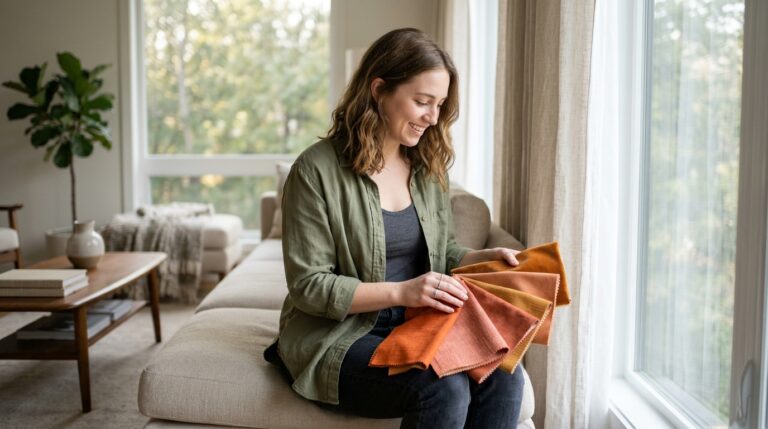
Online swatches help you narrow down color, but a 3 by 5 inch swatch cannot tell you how a fabric hangs, how much light it passes or how heavy it will feel on the rod. For that you need a full-width sample held up at the window. Visit a showroom before you order and compare a cotton, a linen and a velvet side by side. Many drapery fabrics are also made up as roman shades, so a linen you like as a drape can often work as a shade.
Crafting the Perfect Look
- Length: Panels that just kiss the floor make the ceiling feel higher; an inch or two of puddle reads romantic but collects dust. See should curtains touch the floor.
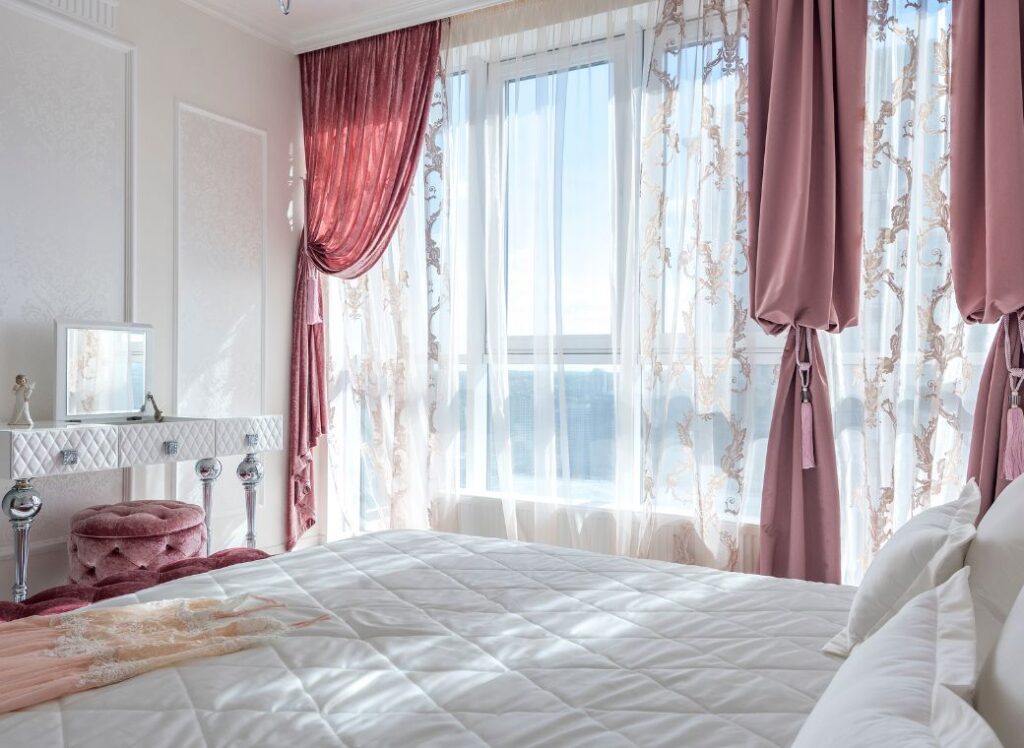
- Layering: A sheer behind a lined drape gives daytime privacy and nighttime insulation. Our layering guide shows the rod setups.
- Hardware: Velvet and interlined panels need a rod or track rated for the weight. Read the curtain rods and hardware guide.
- Trims and tiebacks: A contrast band along the leading edge or a simple tieback finishes the panel without adding bulk.
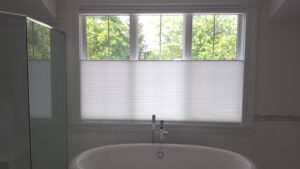
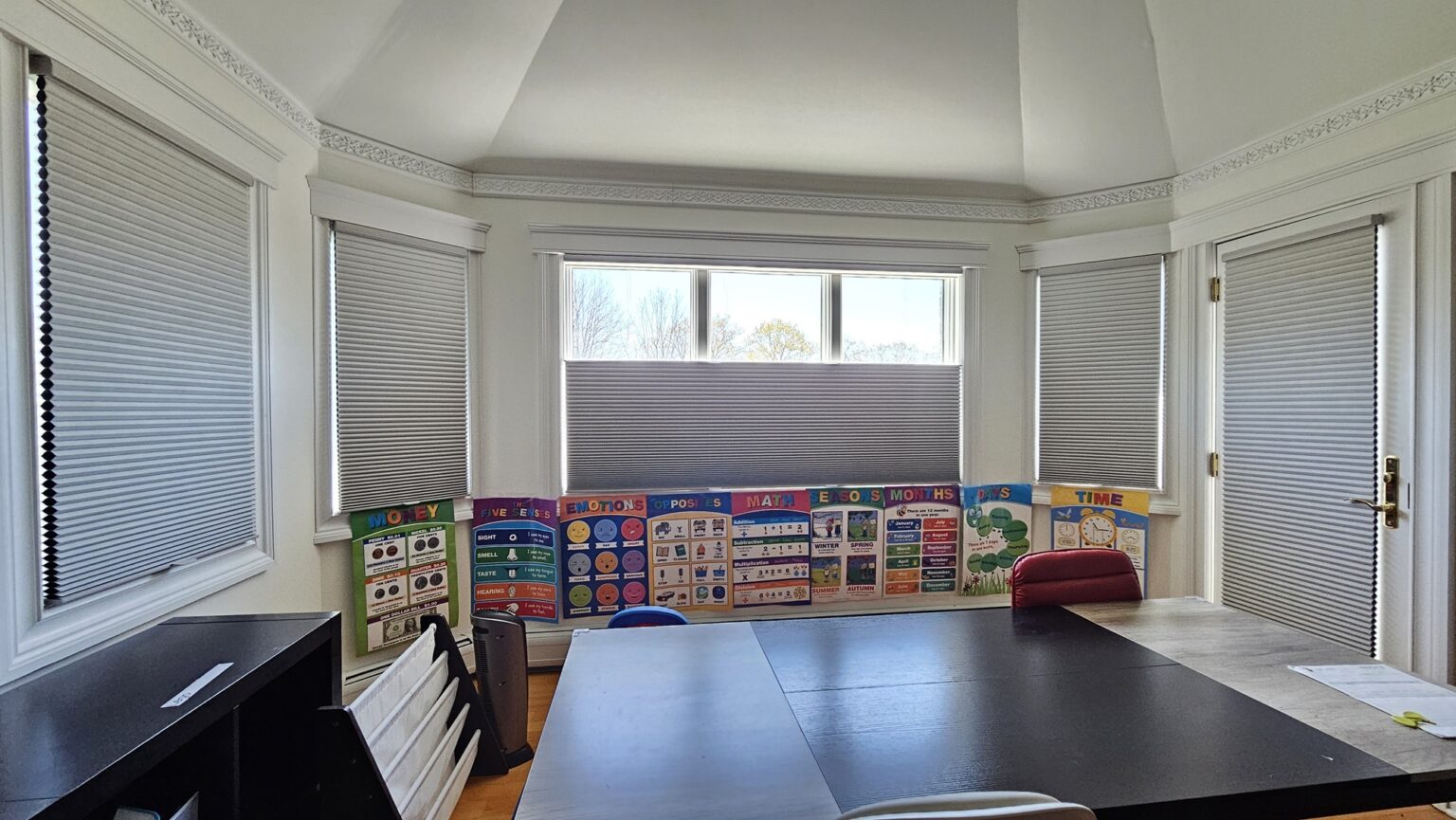
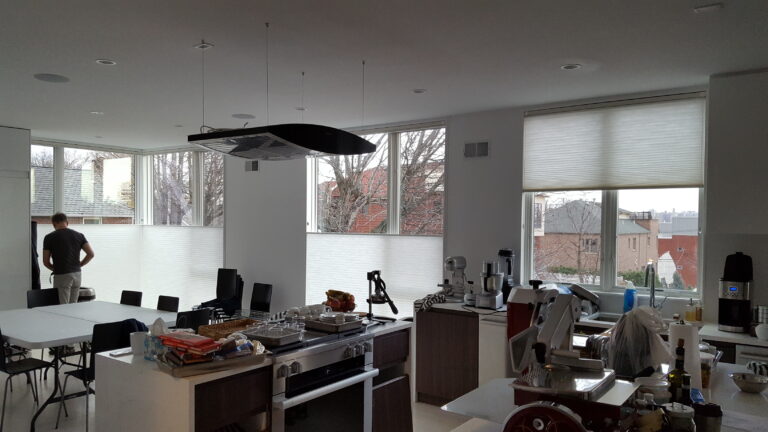
From our own installs in Bergen County
How We Do It at the Showroom
The Curtain is a family-owned window-treatment showroom at 545 Broad Ave in Palisades Park, in business since 2007 and serving Bergen County. We make custom drapery, and as a Hunter Douglas partner we also sell and install Hunter Douglas shades, blinds and shutters. Owner and designer Sejun Park works with you on fabric, lining and hardware.
- Start at the showroom. Bring a photo of the room and compare fabric samples side by side to see how each handles light.
- Free in-home measurement. We measure your windows at no charge, including the wall space the hardware will mount to.
- Written quote. Fabric, lining, hardware and installation in writing before anything is ordered.
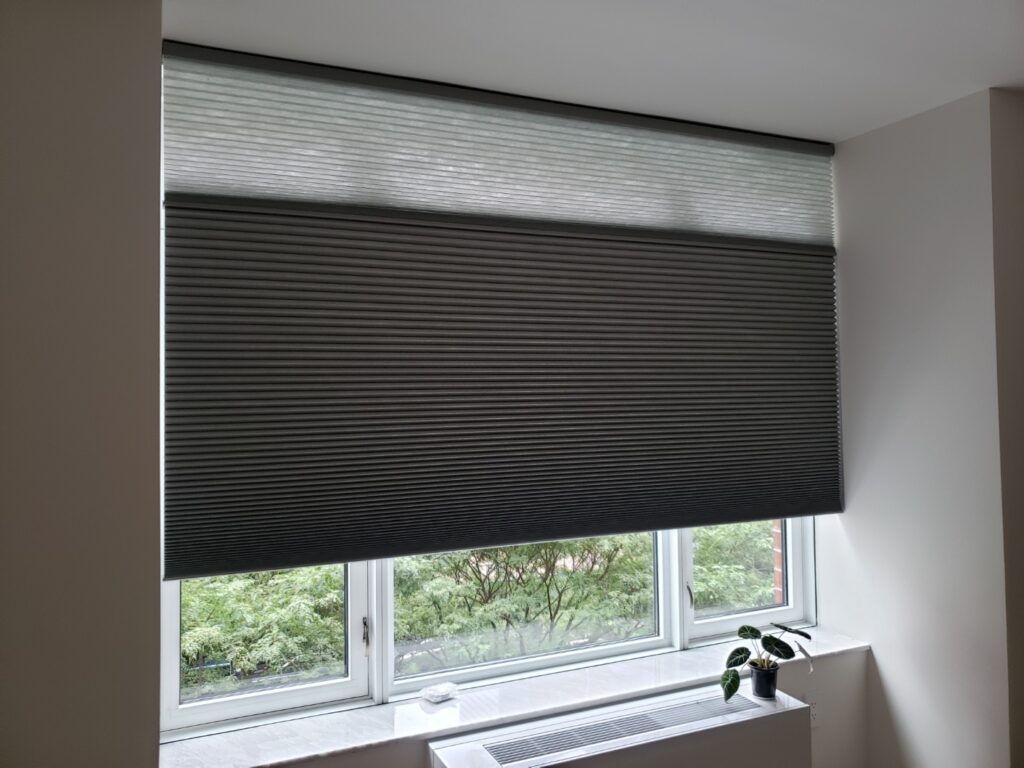
- Add a shade if the window needs more. For a cold north-facing window or a bedroom that must go fully dark, a Hunter Douglas cellular shade under the drape adds a second layer of trapped air.
Call (201) 302-9111 or book a free consultation. Check the towns we serve and browse the gallery for recent installations.
Your Fabric, Your Style
Pick the fabric for the job first: velvet or interlined cotton where you need darkness and warmth, linen or cotton where you want daylight, polyester where washability wins, silk where the window is the showpiece. Then choose color, and let the lining carry the insulation. Pets and kids are a good reason to choose lined cotton or polyester over silk.
Embrace Your Ideal Drapes
There is no single best fabric for curtains, only the best one for a particular window. Hold real samples up to the glass, decide how much light and cold you want to stop, and choose the lining that gets you there. If you want a second opinion, that is what the free measurement is for.