Choosing the right window covering can feel overwhelming. You’re weighing light control, privacy, and style against durability and budget—and the market throws endless materials, slat sizes, and mounting options at you. Venetian blinds for windows remain one of the most versatile solutions precisely because they solve all of these concerns at once. They offer precise adjustability that curtains and roller shades simply can’t match. This guide breaks down everything you need to know for 2026, from selecting the right material and slat width for each room to installation, maintenance, and the design trends shaping how homeowners use this timeless window treatment.
What Are Venetian Blinds for Windows
Anatomy of a Classic Slat Design
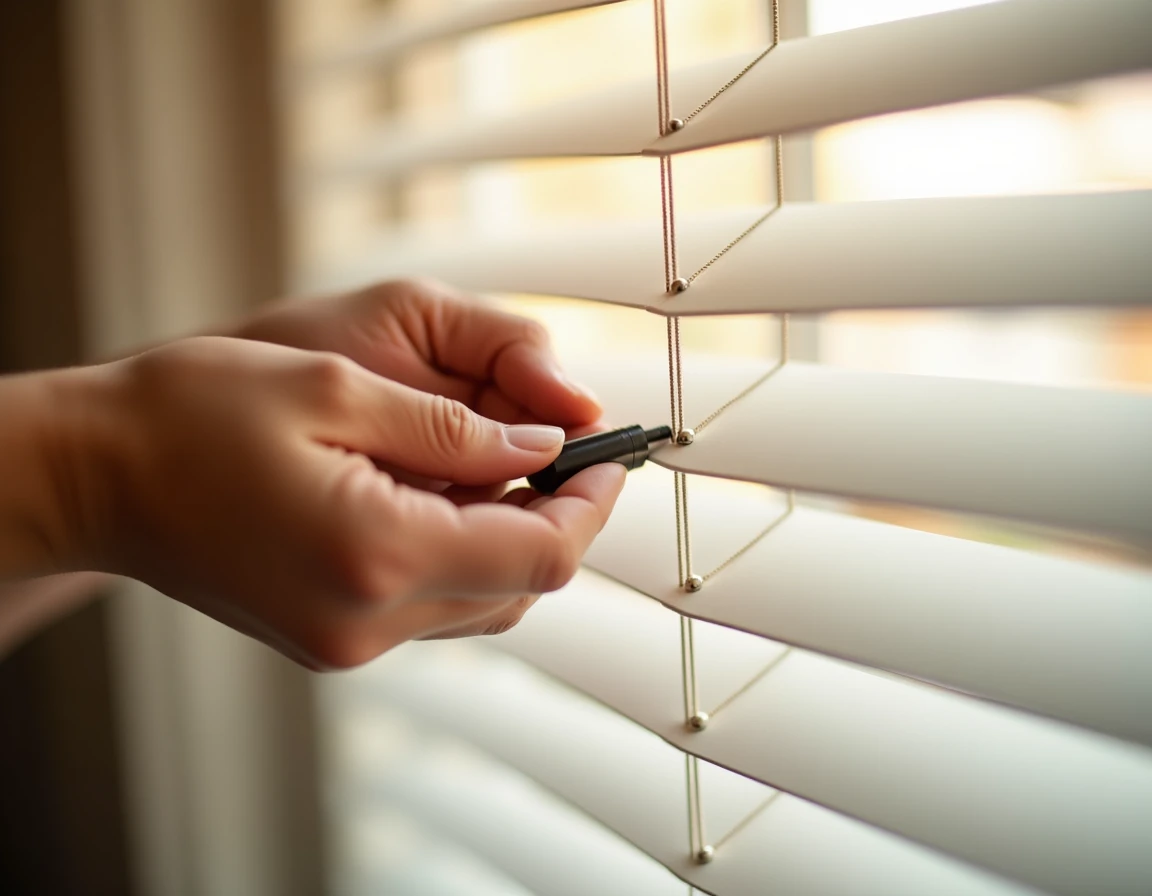
At its core, this treatment uses horizontal slats stacked in a row. Each slat connects to a ladder-like cord or tape system. Turning a wand tilts the slats open or closed, controlling light in small increments.
This differs sharply from fabric shades, which rise and lower as one solid panel. Slats can angle at 45 degrees for a soft glow, or close fully for near-total darkness. That range of control, packed into one compact unit, is the design’s signature trait.
How Venetian Blinds Differ from Shades and Shutters
Roman shades and roller shades use continuous fabric or vinyl. They do one job: block or reveal. Horizontal slat blinds offer a middle ground, filtering light while still letting air and partial view through. Shutters, by contrast, are fixed permanently to the window frame and cost far more to install.
Choosing between styles often comes down to lifestyle and budget. For a deeper comparison of fabric versus hard treatments, this guide on blinds vs curtains choosing the right window treatment breaks down light control, privacy, and upkeep differences in detail.
The name traces back to 18th-century Venice, though similar slat systems appeared in Persia centuries earlier. Traders carried the design through European ports, and “Venetian” stuck as the popular label, even after production moved worldwide.
Common Rooms and Uses
Kitchens and bathrooms benefit most, since slats resist moisture better than heavy drapery. Home offices favor them too, for glare control on computer screens during work hours.
Renters and budget-conscious homeowners often pick this style for its low cost per window, typically $20 to $80 depending on width. Unlike fabric panels that need frequent laundering, care here is simpler than the steps in how to wash curtains. A quick dusting or wipe-down keeps slats looking fresh for years.
Key Components That Make Up a Venetian Blind
Headrails and Mounting Hardware
The headrail is the top box that holds every other part in place. It houses the lift mechanism and anchors the brackets to your window frame or wall. Cheap headrails flex under weight, causing tilt problems within a year. Heavier-gauge steel or aluminum headrails stay straight and quiet for decades.
Slats, Cords, and Tilt Mechanisms
Slats do the visible work, but the ladder cords and tilt wand control how they perform daily. Cheap cords fray and stretch quickly, while premium woven ladders resist sagging. This matters because uneven slats let in light gaps and strain the tilt gears over time. If you’re choosing treatments partly for light control near furniture, it helps to first protect your furniture with the right window treatments before finalizing hardware choices.
- Ladder cords made from polyester blends hold tension longer than basic nylon versions.
- Tilt mechanisms with metal gears outlast plastic gears by several years of daily use.
- Slat coatings resist warping and fading better on premium aluminum and wood lines.
- Cord locks with reinforced housings reduce jamming after thousands of raise-and-lower cycles.
- Bracket clips with rubber padding prevent rattling against the window frame in drafts.
Bottom Rails and Lift Systems
The bottom rail weighs down the slat stack, keeping it taut and even. Budget rails are hollow and light, so blinds swing in airflow. Premium rails use solid metal cores for stability. Lift systems, whether cord, cordless, or motorized, also vary widely in durability. For softer pairings elsewhere in the home, some owners layer blinds with pleat curtains for added texture and insulation.
Why Choose Venetian Blinds Over Other Window Treatments
Superior Light and Glare Control
Few window treatments offer the same precise light control. Tilting the slats lets you adjust brightness in small steps, from a soft glow to near darkness. This beats curtains, which usually give you only open or closed.
Homes with televisions, computer screens, or bright afternoon sun benefit most. A slight tilt cuts glare without losing the view outside. Many households find this level of control useful in home offices and media rooms.
Seasonal light changes matter too. In winter, angling slats upward bounces sunlight onto ceilings, adding warmth to a room. In summer, a downward tilt blocks harsh rays while still letting some brightness through.
Privacy Without Blocking Ventilation
Blinds solve a common problem: privacy without sealing off airflow. Angled slats hide the interior from outside eyes while gaps still let breezes pass through open windows.
This makes them practical for bathrooms, kitchens, and bedrooms facing busy streets. A model like the Venetian Blinds for Windows 20″ 28″ 32″ 36″ 40″ 48″ 56″ 6… shows how compact aluminum slats manage both privacy and ventilation in tight spaces, such as bathroom windows.
Unlike heavy drapery, blinds don’t trap moisture or odors. Air keeps moving even with slats closed, which helps humid rooms stay fresh.
Timeless Aesthetic Flexibility
Blinds suit nearly any design style, from farmhouse to modern minimalism. Their clean lines complement other fabrics, and pairing them with drapery adds texture. For guidance on layering fabric panels, see the best fabrics for curtains material pros and cons.
This flexibility means blinds rarely go out of style, unlike trend-driven patterns.
Material Options Compared: Wood, Faux Wood, and Aluminum
Material choice affects durability, cost, and appearance more than any other decision you’ll make. Each option below fits different rooms and budgets. The table gives a quick side-by-side view before we break down each type.
| Material | Average Cost (per window) | Moisture Resistance | Weight | Best Use |
|---|---|---|---|---|
| Real Wood | $120–$300 | Low | Light-medium | Living rooms, offices, bedrooms |
| Faux Wood | $80–$180 | High | Heavier | Bathrooms, kitchens, playrooms |
| Aluminum | $40–$120 | High | Very light | Apartments, offices, laundry rooms |
Real Wood Blinds
Real wood brings warmth and a natural grain that few materials match. It suits formal rooms and spaces with steady humidity. Wood needs occasional dusting and periodic conditioning to prevent warping. Keep it away from sinks or showers, since moisture causes swelling or cracking over time.
Faux Wood Blinds
Faux wood mimics real wood’s look using PVC or composite blends. It resists warping, fading, and cracking in humid rooms. The extra weight means sturdier hardware is needed, especially on wider windows. Many homeowners choose faux wood for kitchens and bathrooms where budget and durability both matter.
Aluminum and Metal Blinds
Aluminum blinds are lightweight, affordable, and highly moisture-resistant. They work well in modern spaces or rentals needing a clean, simple look. Slats can dent, so handle them carefully. For unusual shapes, resources like how to hang curtains on arched window guides offer useful adjacent tips. For broader style comparisons, browsing Venetian Blinds | Americanblinds.com can help clarify finish options before you decide.
Choosing the Right Slat Size for Your Windows
Narrow Slats for Delicate Windows
Slats measuring 1 inch or less create a refined, tailored look. This width suits small or narrow windows, including bathroom or kitchen panes. Narrow slats offer precise light control, since more slats overlap per square foot when closed.
Because the segments are small, the pattern of light and shadow feels soft and even. This style works well in traditional rooms with detailed trim, where a heavier slat might overwhelm the woodwork. If you’re weighing manual versus automated options for these smaller windows, this automated blinds vs automated shades which smart window t… comparison breaks down what fits best.
Wide Slats for Bold Statements
Slats sized 2 inches or wider create a modern, graphic look. Wider slats mean fewer moving parts, so the mechanism often runs smoother and lasts longer. They also give a clearer view-through when tilted partway open, since each slat covers more glass with less overlap.
This size suits large picture windows or sliding glass doors, where a bold horizontal line adds visual weight. For shoppers comparing slat width options side by side, browsing a catalog like this Custom Horizontal Venetian Window Blinds & Shades selection helps visualize the difference before ordering.
Slat Size and Room Scale Considerations
Match slat width to window height and room size. Tall windows over 6 feet often look better with wider slats, since narrow ones can look busy across a large span. Small, short windows usually pair best with narrow slats.
Consider ceiling height too. Rooms with 9-foot or higher ceilings can handle bolder, wider slats without feeling cluttered. Standard 8-foot rooms often look cleaner with mid-range widths near 1.5 inches, balancing proportion and light control.
Modern Upgrades: Motorization and Smart Features
Motorized Lift and Tilt Systems
Motorized Venetian blinds let you raise, lower, and tilt slats with a remote or wall switch. Hunter Douglas offers PowerView motorization, which uses quiet motors and rechargeable or battery packs. This upgrade suits tall windows, skylights, or hard-to-reach frames. Before ordering, review how to measure for curtains, since motorized headrails often need precise width tolerances.
Smart Home and App Integration
Many motorized systems connect to smartphone apps, voice assistants, and home hubs. You can schedule blinds to open at sunrise or close during hot afternoons. This saves energy and adds convenience. For a broader look at style and hardware options, the Venetian Blinds for Windows category shows how manual and automated designs compare.
- Voice control through Alexa, Google Home, or Apple HomeKit for hands-free operation.
- Scheduled programs that adjust slats based on time of day or sun position.
- Remote access through an app, useful for vacation homes or rental properties.
- Sensors that respond to sunlight or temperature changes automatically.
Cordless and Safety-Focused Designs
Cordless lift systems remove dangling cords entirely. This design lowers strangulation risks for young children and curious pets. Many local businesses now recommend cordless or motorized options as the safer standard for family homes.
How to Measure Windows for Venetian Blinds
Before you grab a tape measure, gather the right tools. You’ll need a steel tape measure, a pencil, paper, and a step stool. Skip cloth tape measures—they stretch and cause errors. Always measure in inches, using fractions instead of decimals, since most blind manufacturers use that format. If you’re weighing blinds against other treatments first, this guide on 10 important things to consider when youre buying curtains can help you decide.
The table below breaks down the core steps for each mount type.
| Step | Inside Mount | Outside Mount |
|---|---|---|
| Width | Measure at top, middle, bottom of frame | Add 3-4 inches beyond frame, both sides |
| Height | Measure left, center, right inside frame | Measure from mounting point to sill or floor |
| Depth | Confirm at least 2.5 inches frame depth | Not required |
| Recording | Use smallest width measurement | Use largest height measurement |
| Hardware | Mounted inside frame, flush look | Mounted on wall or trim above window |
Inside Mount Measuring Steps
Inside mount blinds sit within the window frame. Measure width at three points and record the narrowest number. This prevents a tight fit that jams the mechanism.
Outside Mount Measuring Steps
Outside mount blinds cover the whole frame, including trim. Add extra width for better light blockage and privacy, as noted in Venetian Blinds: The Classic Window Covering.
Mistakes That Lead to Poor Fit
Rounding measurements up causes gaps. Forgetting frame depth causes clearance problems. Always double-check numbers before ordering.
Installing Venetian Blinds Step by Step
Preparing Brackets and Hardware
Good installation starts before any drilling. Lay out brackets, screws, and the headrail, and check the box against your order slip. Bracket placement determines whether the blind hangs straight, so mark positions with a pencil and use a level for every mark. For inside-mount windows, brackets typically sit 2 inches from each end of the headrail. If you’re unsure how blinds compare to other options for a room, this overview on What are Venetian Blinds? explains the basics clearly.
Mounting and Securing the Headrail
Once brackets are level, snap or screw the headrail into place. Tug gently to confirm it’s secure before releasing the slats.
| Step | Action | Time Needed |
|---|---|---|
| 1 | Mark and drill bracket holes | 10 minutes |
| 2 | Install brackets with level | 10 minutes |
| 3 | Snap headrail into brackets | 5 minutes |
| 4 | Test tilt and lift cords | 5 minutes |
Testing Function and Fine-Tuning
Test the tilt wand or cord to confirm slats rotate fully open and closed. Raise and lower the blind several times to check for even movement. If slats hang unevenly or the headrail wobbles, that points to a bracket problem, not a hardware defect.
Complex windows, motorized systems, or oversized blinds often justify calling a professional installer. Many local businesses offer this service alongside broader guidance, such as how to choose curtains for living room spaces, for a coordinated look throughout the home.

Matching Venetian Blinds to Different Rooms
Kitchens and Bathrooms
Moisture is the biggest challenge in kitchens and bathrooms. Faux wood or aluminum slats handle steam and splashes far better than real wood, which can warp or crack over time. Look for slats rated for high-humidity spaces, especially near sinks, tubs, and stovetops.
Light control matters too. A kitchen window over the sink often needs quick privacy in the evening, so a simple wand or cordless lift works well for daily use. For maintenance, many homeowners already know how to clean cellular shades, and similar wipe-down routines apply to aluminum and faux wood slats in these rooms.
In small bathrooms, narrow 1-inch slats save visual space and fit tight window frames. In kitchens, 2-inch slats are easier to wipe clean during meal prep.
Living Rooms and Bedrooms
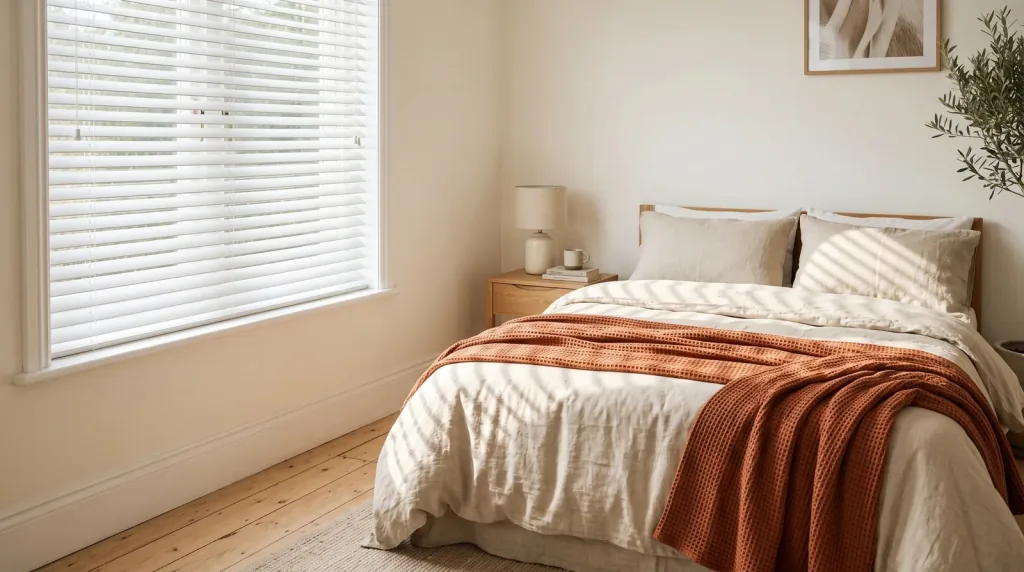
Wood or high-quality faux wood suits living rooms and bedrooms best. These materials add warmth and pair naturally with sofas, rugs, and layered drapery panels. Wider 2-inch slats create a relaxed, upscale look in main living areas.
Bedrooms benefit from cordless or motorized controls, since nightstands and cribs make dangling cords risky. Consider Smart Motorized Venetian Blinds for effortless morning light adjustments without leaving bed. Darker wood tones pair well with neutral bedding for a calm, hotel-style bedroom.
Home Offices and Studies
Glare control is essential for screens and reading nooks. Aluminum blinds offer precise tilt control, cutting computer glare while keeping the room bright. Choose matte finishes over glossy ones to minimize reflected light.
For a polished, professional look, pair slim aluminum slats with clean-lined furniture and neutral wall colors. Cordless or motorized lifts keep desks clutter-free and support a focused, distraction-free workspace throughout the day.
Pros and Cons of Venetian Blinds
Advantages of Choosing Venetian Blinds
Venetian blinds give you precise light control. Tilt the slats and adjust brightness in seconds. This flexibility beats drapery, which usually only offers open or closed. Privacy is another strong point, though many homeowners still wonder can people see through my blinds when slats are angled during the day.
Compared to cellular shades, blinds are easier to clean and often cost less upfront. The table below breaks down key differences.
| Feature | Venetian Blinds | Cellular Shades | Drapery |
|---|---|---|---|
| Light control | Precise, adjustable | Moderate | Limited |
| Insulation | Low | High | Medium |
| Cleaning effort | Low | Medium | High |
| Average lifespan | 8-12 years | 10-15 years | 5-8 years |
| Starting price range | $$ | $$$ | $ |
Potential Drawbacks to Consider
Blinds have limits. Slats collect dust faster than fabric shades. They also offer weaker insulation, which matters in colder climates. Cords can pose safety concerns for homes with young children or pets, though cordless options solve this. Some homeowners find the look less soft than flowing drapery panels.
Weigh these trade-offs against your priorities. If energy efficiency matters most, cellular shades may win. If you want quick, flexible light control, blinds remain a smart, practical choice.
Caring for and Maintaining Your Blinds
Everyday Cleaning Tips
Regular dusting keeps your blinds looking sharp and extends their life. Close the slats, then wipe with a microfiber cloth or use a vacuum brush attachment weekly. Aluminum and faux wood handle light dampness well, but real wood should stay dry to avoid warping.
Deep Cleaning by Material Type
Different materials need different care schedules. Aim for a deeper clean every one to three months, depending on dust levels and room use.
- Wood slats respond best to a barely damp cloth followed by immediate drying to prevent swelling or discoloration.
- Faux wood tolerates mild soap and water, making it a strong choice for kitchens and bathrooms.
- Aluminum blinds can be wiped with glass cleaner for a streak-free finish and quick refresh.
- Fabric tapes and ladders should be spot-cleaned only, never soaked, to avoid stretching.
- Removing blinds occasionally for a bathtub soak works well for aluminum and vinyl styles.
Troubleshooting Common Issues
Stuck cords usually mean tangled lift strings; gently pull the ladder tape to release tension. Misaligned slats often come from a bent tilt rod, which you can reshape by hand. If your window treatments feel outdated alongside newer soft furnishings, this how to choose curtains guide expert tips for every room offers useful pairing ideas. For long-term appearance, rotate slats fully open during sunny hours to reduce uneven fading.
Working with a Design Professional for the Perfect Fit
Benefits of In-Home Consultations
An in-home consultation lets a trained consultant see your actual windows, walls, and light patterns. This matters more than most homeowners expect. A photo or online form can’t catch uneven frames or trim depth issues. Expert measuring during this visit prevents costly guesswork later.
Consultants also bring physical samples. You can hold a wood slat next to your flooring or test a faux wood finish against your wall color. This hands-on step often changes a homeowner’s original plan for the better.
Many local businesses offer this service free of charge. It typically takes under an hour but saves weeks of frustration from wrong orders.
Custom Options Beyond Standard Sizes
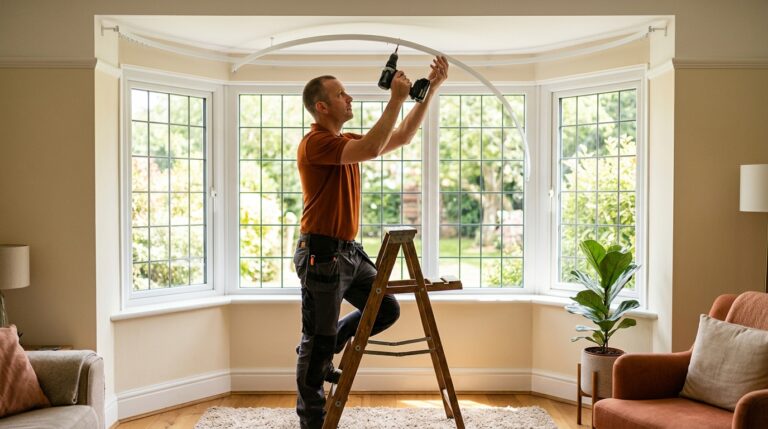
Standard blinds rarely fit unusual windows perfectly. Bay windows, arches, and French doors need special handling. A design professional can guide you toward custom headrails, angled cuts, or specialty mounts built for these shapes.
You’ll also get access to options not sold off the shelf: motorized lift systems, cordless controls, and specialty tape colors. Guidance here helps you avoid mismatched hardware. For more ideas on current styles, many providers maintain a helpful blog covering seasonal trends and product updates.
Ensuring a Precise, Lasting Installation
Professional installation cuts down on common errors like crooked brackets or gaps at the frame edge. Installers use levels, drill guides, and reinforced anchors suited to your wall material, whether drywall, plaster, or tile trim.
This precision protects your investment. Blinds hung correctly operate smoothly for years, with less strain on cords and headrails. A rushed DIY job often leads to sagging slats or stripped screws within months.
If you’re ready to see how the right venetian blinds can transform your windows, stop by The Curtain and talk with people who genuinely know the craft. As a family-owned business since 2007, they bring years of hands-on experience with premium Hunter Douglas products, paired with expert design consultation to help you find the perfect fit for your home. Book a consultation today and let their team guide you through the process, from selection to professional installation.