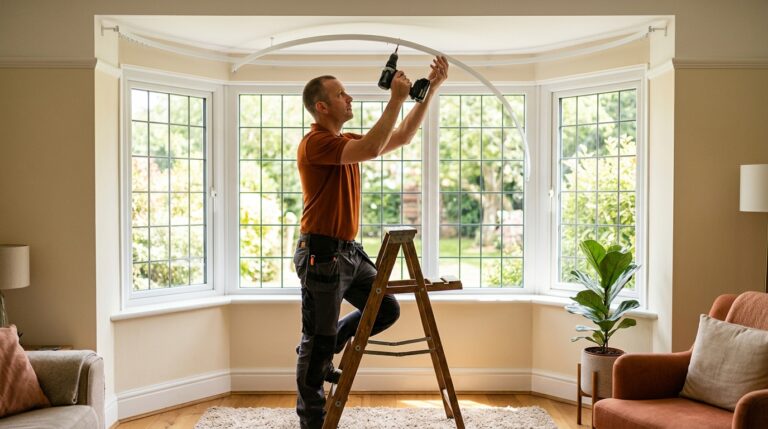
Your energy bills keep climbing. Harsh sunlight keeps fading your furniture. And most window treatments on the market promise insulation and light control without delivering either. Honeycomb blinds have earned a different reputation. Their cellular construction traps air and blocks UV rays more effectively than standard blinds or shades. This 2026 buying guide breaks down which styles, materials, and opacity levels suit your rooms, budget, and climate—so you invest in a window treatment that actually works.
What Are Honeycomb Blinds and Why They Dominate Modern Homes
The Cellular Design Explained
Each shade is built from folded fabric that forms rows of hexagon-shaped cells. Viewed from the side, they look like a honeycomb. That’s where the name comes from. But it’s not just a style choice. The cellular structure creates small pockets of trapped air between the glass and the room.
Air is a natural insulator. When it sits still inside a sealed cell, it slows heat transfer through the window. In winter, this keeps warm air inside. In summer, it blocks outdoor heat from creeping in. Some shades use a single row of cells. Others stack two or three rows for extra thickness and stronger insulation.
Manufacturers often measure this in R-values, similar to insulation used in walls. A double-cell shade can offer a noticeably higher R-value than a single-cell design. That difference adds up to real energy savings over a year, especially in rooms with large or drafty windows.
How They Differ From Pleated and Roller Shades
Pleated shades share a similar folded look but use one flat layer of fabric. There’s no enclosed air pocket, so they offer far less thermal benefit. They cost less, but they give up the insulation advantage that makes cellular shades so popular.
Roller shades and traditional blinds work differently altogether. Roller shades use one continuous piece of fabric on a tube. Classic blinds rely on slats made of wood, faux wood, or aluminum. Both control light well, but neither creates the sealed air chamber that cuts heat loss. For a broader look at window treatment styles, our modern vs traditional curtains guide breaks down how these categories stack up in real homes.
Who Benefits Most From This Style
Designers favor this style because it fits almost any room, from nurseries to home offices. Homeowners in extreme climates gain the most from the insulation, but city apartments with large windows benefit too. Anyone chasing lower energy bills or better noise control tends to be a strong candidate.
Renters, growing families, and light sleepers also do well here, since blackout and light-filtering fabrics are both available. For more real-world comparisons and buying tips, our blog covers dozens of scenarios homeowners face today.
Key Benefits of Choosing Cellular Shades for Your Windows
Energy Savings and Insulation Value
The honeycomb shape traps air inside distinct pockets, creating a buffer between your window glass and your room. That buffer is the source of real energy savings. Homeowners often notice lower heating and cooling bills within the first season. Manufacturers report insulation gains that can cut window-related heat loss by a meaningful percentage, especially with double-cell designs.
Light Filtering vs Blackout Options
Cellular shades offer a wide range of light control, from sheer filtering to full blackout. This flexibility lets you match each room’s purpose. Consider these common options:
- Sheer or light-filtering fabrics that soften daylight while keeping rooms bright and airy;
- Semi-opaque fabrics that reduce glare on screens without blocking the view completely;
- Room-darkening fabrics suited for bedrooms, nurseries, or home theaters;
- Blackout-lined cells that eliminate nearly all outside light for shift workers or late sleepers;
- Noise-dampening options that soften street sounds and echo in larger, open rooms.
Regular upkeep keeps these fabrics performing well, so it helps to learn how to clean cellular shades before dust or pet hair builds up in the folds.
Style Versatility for Any Room
Cellular shades fit almost any décor, from farmhouse to modern minimalist. Fabric colors range from soft neutrals to bold statement tones. Cell sizes and pleat depths add texture without overwhelming a space. Many homeowners pair them with drapery panels for a layered look. Refreshing an entire room? It also pays to review how to wash curtains so every fabric layer stays coordinated and clean.
Cell Sizes, Fabrics, and Opacity Levels Compared
Single vs Double vs Triple Cell
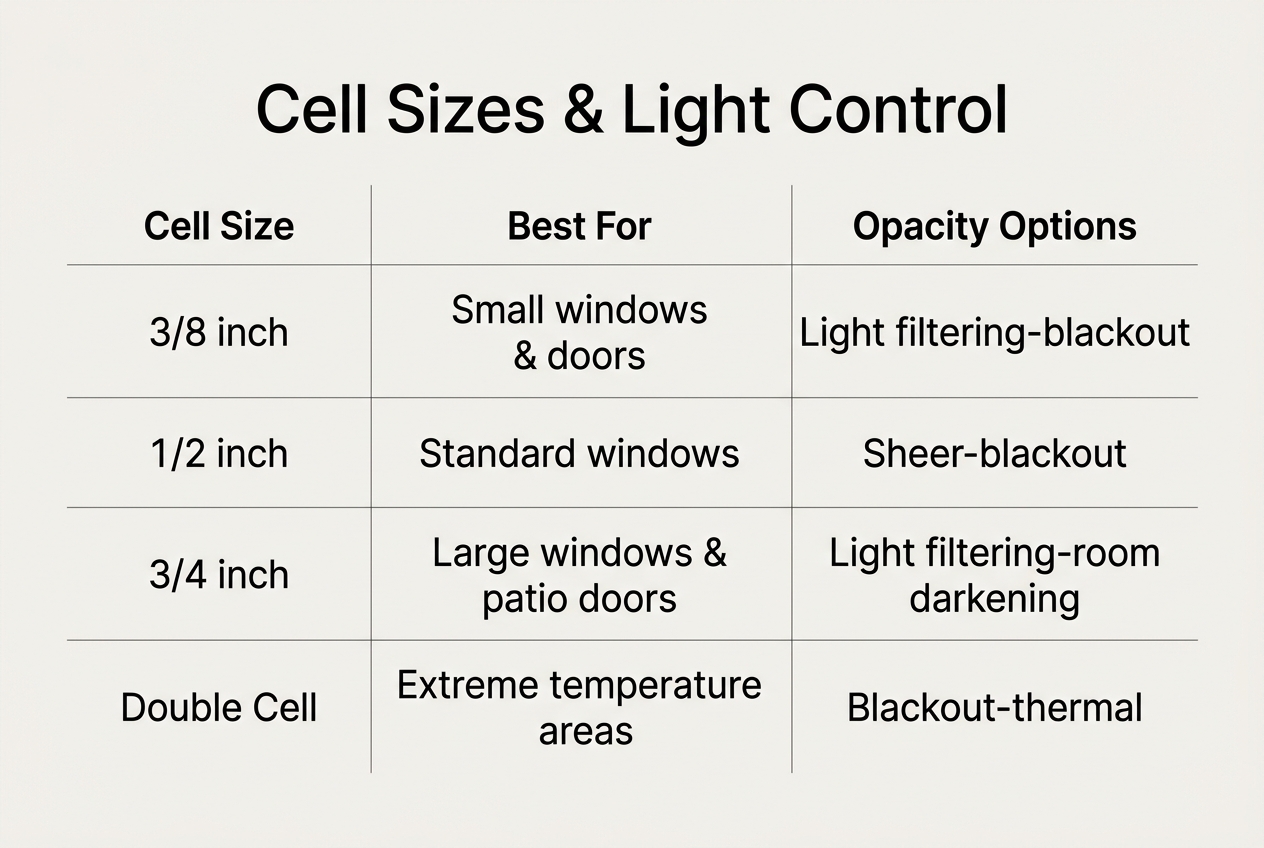
Cell count determines insulation and stack height. A single cell design uses one row of honeycombs, offering good light control at a lower price. Double cell shades add a second row, trapping more air for better energy performance. Triple cell options push insulation further but stack taller when raised, so they suit larger windows better than small ones.
Fabric and Texture Choices
Fabric weight changes both look and function. Lightweight sheers let in soft light. Heavier woven textures block more glare and add durability. Pleat size—usually 3/8 inch, 1/2 inch, or 3/4 inch—affects how crisp or soft the folds appear once installed. Browsing Custom Cellular Shades (Honeycomb Blinds) side by side helps clarify how these details change the finished appearance.
Choosing the Right Opacity
Opacity ranges from sheer to blackout. The table below breaks down common use cases.
| Opacity Level | Light Passed Through | Best Room | Privacy Level |
|---|---|---|---|
| Sheer | 70-80% | Living room | Low |
| Light-Filtering | 40-60% | Kitchen, office | Medium |
| Room-Darkening | 10-20% | Nursery, bedroom | High |
| Blackout | Under 2% | Media room, bedroom | Total |
Pairing shades with layered treatments, much like comparing double curtain rods vs single curtain rods, can fine-tune both light and style.
Choosing the Right Control System
Cordless and Child-Safe Options
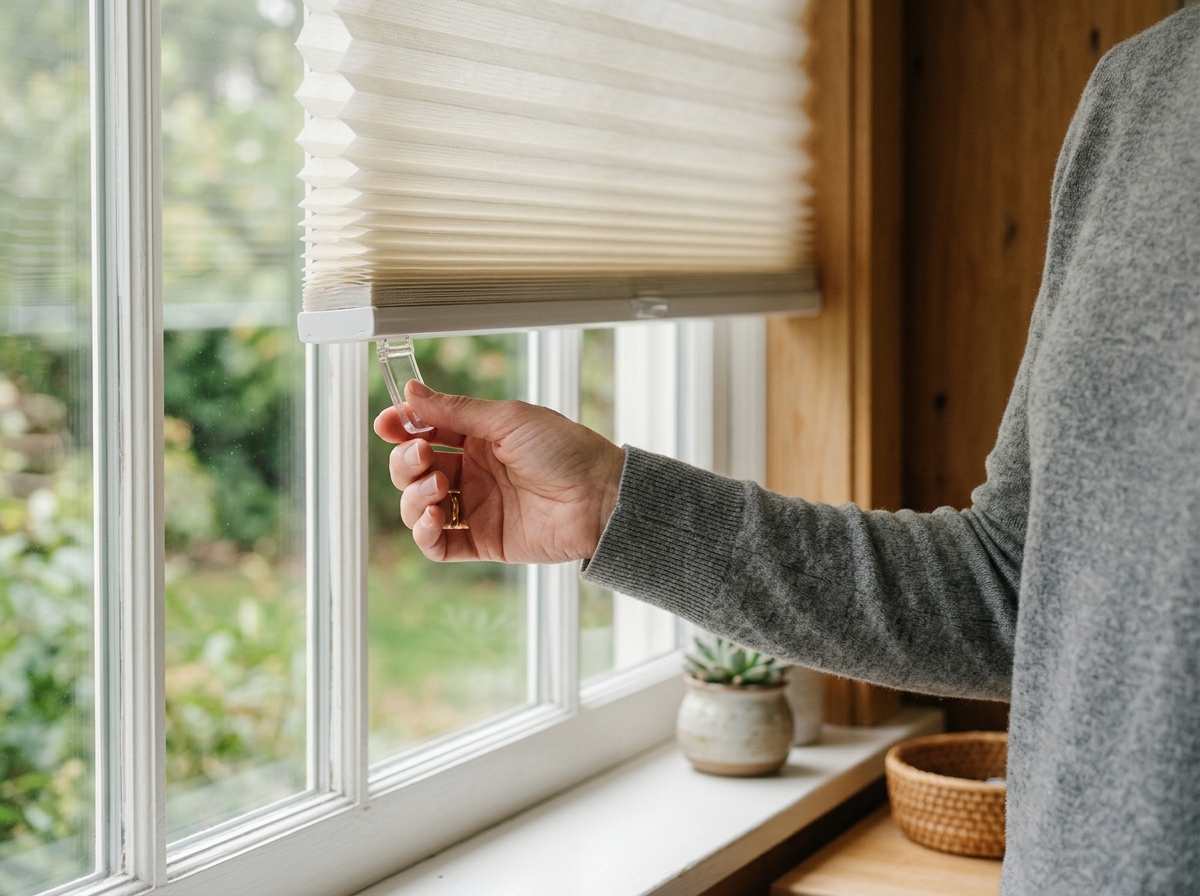
Loose cords pose a real risk in homes with kids or pets. That’s why most manufacturers now build cordless lifting systems as the standard choice. Just push or pull the bottom rail to raise and lower the shade—no dangling cords in sight.
This design meets current safety standards set for window coverings sold in the United States. Many parents choose cordless models for bedrooms and nurseries first, then extend the same feature throughout the house. Still weighing fabric types? The guide on blinds vs curtains choosing the right window treatment covers safety comparisons in more detail.
Spring-assisted and wand-controlled versions offer smooth operation without sacrificing this safety benefit at all.
Top-Down Bottom-Up Configurations
A top-down bottom-up shade lowers from the top or raises from the bottom, independently. This gives you privacy on the lower half of a window while still letting light in above.
Bathrooms and street-facing living rooms benefit most from this setup. You block the view from sidewalks or neighbors, yet keep natural light flowing through the upper pane. Many buyers browsing Cellular Shades online specifically request this configuration for exactly these rooms.
Motorized and Smart Home Integration
Motorized shades now cost far less than they did a decade ago. A remote-controlled system lets you adjust multiple windows at once, without walking across the room.
Smart home integration takes this further. Many motors pair with Alexa, Google Home, or Apple HomeKit, so voice commands or scheduled routines handle daily adjustments automatically. Some homeowners program shades to rise at sunrise and close at dusk, saving energy year-round.
Popular Upgrades and Add-On Features
Custom Shapes for Unique Windows
Not every window is a plain rectangle. Many homes have arches, angles, or odd corners that need special attention. A custom shape upgrade lets shades fit these spaces exactly. Have an arched window? Check this guide on how to hang curtains on arched window styles for helpful framing tips before you order.
Common specialty options include:
- Half-circle or full-arch shades built to trace the exact curve of your window frame
- Angled-top shades designed for slanted windows found in attics or vaulted ceilings
- Trapezoid shapes for bay or bow window configurations with sloped sides
- Skylight-mounted honeycomb panels with motorized lift for hard-to-reach ceilings
Protective and Antimicrobial Coatings
Fabric upgrades protect your investment. UV-resistant coatings block fading on floors and furniture. Antimicrobial treatments resist mold, mildew, and bacteria buildup. These add-ons work well in kitchens, bathrooms, and sunrooms.
Decorative Trim and Valance Options
Finishing details change the whole look of a room. A decorative valance hides the headrail for a cleaner appearance. Designer edge trims add color contrast or subtle texture along the shade’s border. Many buyers browse options like Window Honeycomb Shades to compare trim styles before choosing a final design for their home.
How to Measure Your Windows for a Precise Fit
A precise measurement is the difference between shades that glide smoothly and shades that bind or gap. You’ll need a steel tape measure, a pencil, and paper. Skip cloth tapes—they stretch and throw off your numbers. For a broader look at window prep, this guide on how to measure for curtains covers useful basics that also apply here.
Inside Mount vs Outside Mount
An inside mount sits inside the window frame for a clean, built-in look. It needs at least 2.5 inches of depth. An outside mount attaches to the wall or trim and works well when the frame is shallow or uneven.
Step-by-Step Measuring Process
Measure each window at three points, since frames often shift slightly with age. Use the smallest width and the longest height for ordering.
| Step | Action | Detail |
|---|---|---|
| 1 | Measure width | Top, middle, bottom of frame |
| 2 | Measure height | Left, center, right side |
| 3 | Check depth | Confirm 2.5″ minimum for inside mount |
| 4 | Record smallest width | Prevents binding during operation |
| 5 | Record longest height | Ensures full window coverage |
Avoiding Common Measurement Errors
Rounding numbers up or down causes most fitting problems. Always record exact eighths of an inch. Ignoring obstructions like handles or locks can also block smooth operation. For visual guidance, watch Honeycomb Shades / Cellular Shades: Everything You Need before placing your order.
Installing Honeycomb Blinds Step by Step
Preparing Tools and Hardware
Good installs start with organized hardware. Lay out brackets, screws, anchors, and the headrail before touching a drill. Check that every part listed on the packing slip is present. Missing a single anchor can stall the whole job.
A pencil, level, drill, tape measure, and screwdriver cover most installs. For hollow doors or thin trim, use the included drywall anchors instead of screws alone. This guidance applies whether you’re hanging cellular shades or handling broader projects like choosing and installing custom draperies.
Mounting the Headrail and Brackets
Bracket placement determines whether the shade hangs straight. Use this quick reference during mounting.
| Step | Action | Target Spec |
|---|---|---|
| 1 | Mark bracket points | Level within 1/16 inch |
| 2 | Pre-drill pilot holes | 3/32 inch bit |
| 3 | Secure brackets | Torque snug, not stripped |
| 4 | Snap in headrail | Click confirms lock |
Final Adjustments and Testing
Raise and lower the shade several times. Watch for uneven cell folds or a crooked bottom rail. Small bracket adjustments usually fix tilting fast.
For cordless models, test lift tension carefully. Many owners upgrade to Cordless Honeycomb Blinds for Insulation and should confirm smooth, snag-free movement before finishing.
DIY Installation vs Hiring a Professional
When DIY Makes Sense
DIY installation works best for single, standard-sized windows with simple inside mounts. A basic project takes about 20 to 40 minutes per window with a drill, level, and the included template. Homeowners with steady hands and basic tools often handle two or three windows in an afternoon without trouble.
The risk grows with each added variable. Crooked brackets, stripped screws, or a misread measurement can throw off the whole shade. Reading a solid how to choose curtains guide expert tips for every room beforehand helps clarify fit and style questions before you pick up a drill.
Benefits of Professional Installation
A trained installer brings more than muscle. The design consultation stage catches sizing errors, light-gap issues, and hardware mismatches before they become costly. Many local businesses include this step free, saving homeowners from ordering the wrong mount type.
Professional fitting also protects the fabric and mechanism. Cellular shades, similar to options shown in this Cellular Shades – Pleated and Honeycomb Blinds collection, rely on precise tension for smooth raising and lowering. Rushed DIY mounting can crush pleats or misalign cordless mechanisms, shortening product life by years.
Handling Complex or Oversized Windows
Bay windows, arches, skylights, and shades wider than 60 inches demand expert handling. Extra weight strains standard brackets, and angled frames require custom bracket adjustments most homeowners have never attempted.
For these jobs, the session with a professional installer typically includes reinforced mounting hardware and precise leveling across multiple panels. This prevents sagging, gapping, or premature wear that often follows amateur attempts on oversized or unusually shaped windows.
Caring for and Maintaining Your Shades Long-Term
Routine Cleaning Methods
Regular dusting keeps pleats looking crisp. Use a microfiber duster or the soft brush attachment on your vacuum, moving gently across each fold. Do this every one to two weeks in most rooms, and weekly in dusty spaces near open windows or busy hallways.
For deeper cleaning, a handheld hair dryer on the cool, no-heat setting can blow debris out of tight cells without bending the fabric. Avoid pressing hard on pleats—crushed folds rarely bounce back. Still comparing fabric weights and cell styles before buying? This guide on 10 important things to consider when youre buying curtains covers cleaning-friendly choices worth knowing upfront.
Managing Moisture and Humidity
Kitchens and bathrooms need extra attention. Spot-clean stains quickly with a damp cloth and mild soap, blotting rather than scrubbing. Letting moisture sit can warp paper-based fabrics or encourage mold in the honeycomb pockets.
In consistently humid rooms, choose moisture-resistant fabrics rated for such spaces. Many local businesses recommend cracking a window or running a fan after showers to cut lingering humidity. Checking options like Blindsgalore Cellular Shades | Custom Honeycomb Blinds shows how specific fabric lines handle damp conditions.
Warranty and Repair Considerations
Most quality shades carry warranties covering three to ten years, depending on the brand and mechanism. Read the fine print, since cordless lift systems often have different terms than motorized options.
Contact a dedicated provider if cords fray, cells sag, or the lift stops holding position. Early repairs, often free under warranty, prevent costlier full replacements later.
Cost Factors and Budgeting for New Window Treatments
What Drives the Price Range
Basic single-cell shades in a small window can start around $60 to $100 per unit. Larger windows, double-cell designs, and premium fabrics push prices toward $300 or more per shade. Cell size matters: double-cell fabrics cost more than single-cell but trap more air, boosting insulation.
Fabric choice also shifts the budget. Light-filtering sheers sit at the lower end, while blackout fabrics and specialty textures like woven woods cost more. Inside-mount installations often look cleaner but require precise measurements, while outside-mount options can hide uneven frames at a similar price point.
Room purpose affects fabric and price too. A nursery or bedroom may need blackout fabric for better sleep, adding cost. A home office might prioritize light control differently. Whatever the room, protect your furniture with the right window treatments, since UV exposure damages floors, upholstery, and artwork over time. Factoring this into your budget can prevent costly replacements later.
Manual vs Motorized Cost Differences
Manual honeycomb shades remain the most budget-friendly option. A cordless manual shade typically costs 20 to 40 percent less than its motorized counterpart. For homeowners on a tight budget, manual operation delivers the same insulation and light control benefits without the added electronics.
Motorized shades add convenience but raise the price significantly. Battery-powered motors, smart hubs, and remote controls can add $150 to $400 per window, depending on brand and features. Whole-home automation systems increase costs further, especially when integrating with voice assistants or smart thermostats.
Many homeowners choose a hybrid approach. They motorize hard-to-reach windows, like skylights or high transoms, while keeping manual controls in easily accessible rooms. This strategy balances upfront spending with daily convenience, letting buyers prioritize automation where it matters most.
Long-Term Value and Energy Payback
Higher upfront costs often pay off through energy savings. Cellular shades can reduce heat loss through windows by up to 40 percent in winter, according to Department of Energy estimates. This translates into lower heating bills over several years.
Summer benefits matter too. Reflective or light-colored cellular fabrics reduce solar heat gain, easing air conditioning demand. Homeowners in hot climates often notice reduced cooling costs within the first year.
Payback periods vary by climate and shade quality, typically ranging from three to seven years. Considering durability, energy savings, and reduced fading, a well-chosen shade often costs less over a decade than repeatedly replacing cheaper alternatives.
Design Tips for Matching Rooms and Décor Styles
Choosing Colors for Each Room
Living rooms benefit from warm neutrals like taupe, oatmeal, or soft greige. These tones pair well with wood floors and leather furniture. A light filtering fabric in these shades keeps the space bright without washing out other colors in the room.
Bedrooms call for a different approach. Deeper hues, like navy, charcoal, or sage green, create a calmer mood. Many homeowners pair a room-darkening cell with these colors for better sleep quality. The contrast between a bold shade and white trim also adds visual interest without overwhelming the space.
Kitchens and bathrooms do well with crisp whites or pale blues, since these areas need moisture-resistant fabrics and easy-to-clean surfaces. Matching the shade color to a single accent, like cabinet hardware or a backsplash tile, keeps the look cohesive without forcing an exact match to the walls.
Layering With Curtains and Drapery
Cellular shades work well as a base layer under curtains. The shade handles light control and insulation, while the curtain adds softness and color. This combination gives a finished, layered look common in professionally designed rooms.
For living areas, choosing the right drapery matters as much as the shade underneath. Reviewing tips on how to choose curtains for living room spaces can help homeowners pick fabrics and lengths that complement cellular shades rather than compete with them.
A simple rule: keep patterns on one layer only. If the curtain has a bold print, pair it with a solid, neutral shade. If the shade features texture, choose a plain curtain in a complementary color.
2026 Design Trends to Consider
Neutral tones remain popular in 2026, especially warm whites and soft grays. These shades adapt easily to changing décor and resale considerations. However, bold jewel tones, like emerald and deep terracotta, are gaining ground in bedrooms and dining rooms as accent choices.
Textured fabrics, rather than printed patterns, are the bigger trend this year. Many homeowners want subtle dimension without a busy look, favoring woven or dual-cell designs over flat, printed panels.
Frequently Overlooked Considerations Before You Buy
Ordering Samples Before Committing
Fabric colors look different on a screen than in your living room. Ordering physical samples lets you check how a shade handles morning light versus evening light. Hold swatches against your walls and furniture for a few days before deciding.
- Request at least two or three cell sizes so you can compare light filtering side by side.
- Test samples in both daylight and lamp light, since colors shift dramatically under artificial bulbs.
- Ask whether sample kits are free or refundable, since policies vary between suppliers.
- Compare opacity levels directly against your existing blinds to gauge the real difference.
Understanding Lead Times and Policies
Custom shades are built to order, so patience matters. Many manufacturers quote two to six weeks for production, longer during holiday seasons. Before ordering, review return policies carefully, since custom sizing often limits refunds. Understanding custom curtains costs upfront also helps you budget for rush fees or remakes if measurements are off.
Getting Expert Guidance for Best Results
A quick consultation can prevent expensive errors. Many local businesses offer free in-home visits to check measurements and recommend materials suited to your climate and window shape. A trained consultant catches issues homeowners often miss, like uneven frames or humidity concerns in bathrooms. This expert guidance step saves money long before installation day arrives.
If you’re ready to see how honeycomb blinds could transform your own windows, the team at The Curtain is a great place to start—this family-owned business has been helping homeowners find the right fit since 2007, and as an authorized dealer of premium Hunter Douglas products, they bring both quality options and genuine expertise to the table. Their design consultants can walk you through fabric, cell size, and light control choices in person, then handle the installation so everything is done right the first time. Stop by or book a consultation to see some samples and talk through what would work best in your home.