If you rent in Fort Lee, Hackensack or anywhere else in Bergen County, or you own an older Palisades Park home with plaster you would rather not crack, you have probably searched for how to hang curtains without drilling. It can be done, within limits. Below are eight methods that hold, a straight answer to whether adhesive curtain rod brackets actually work, a no-sew shortcut for ready-made panels, and the inside-mount shade option that gives renters privacy without touching the drywall.
Why Skip the Drill?
Many leases treat anchor holes above a window as damage rather than normal wear, and that comes out of your deposit. Older homes have their own problem: plaster crumbles around a screw, and original wood trim is expensive to match. Learning how to hang curtains without drilling keeps the walls clean, and most of the methods below go up in under ten minutes.
Do Adhesive Curtain Rod Brackets Work?
Yes, for the right window and the right curtain. Adhesive brackets and Command-style hooks hold best on flat, painted drywall or smooth wood trim that has been wiped with isopropyl alcohol, pressed firmly, and left to cure for the time on the package, usually about an hour, before anything is hung. A rod pulls outward on a hook rather than straight down, so treat the printed weight rating as a ceiling, not a target.
They fail in predictable places:
- Textured, dusty or freshly painted walls, where the strip never gets a full bond
- Bathrooms and kitchens, where steam softens the adhesive over time
- Heavy blackout or velvet panels, or any rod wider than 60 inches without a center hook
- Curtains you open and close every day, since every tug works the strip loose
1. Tension Rods: The Fast Track Inside the Frame
Tension rods expand between the side jambs of your window frame and hold themselves in place with an internal spring. Choose a rod that extends 1 to 2 inches wider than the opening, twist until snug, and slide on lightweight panels or cafe curtains. They work best in bathrooms, kitchens and narrow windows where the frame is solid enough to grip.
Pros: installs in seconds, fully reversible, inexpensive. Cons: a weight limit of about 10 to 15 lbs, and it can slip on glossy paint. Rubber end caps or removable putty add grip. Sizing details are in our curtain tension rod guide.
2. Adhesive Hooks + Standard Rod: Stick and Style
This is the Command-hook method most renters try first. Heavy-duty adhesive hooks rated for 5 to 7 lbs each turn any standard curtain rod into a no-drill setup. Measure, mark the hook locations with a level, clean the wall with isopropyl alcohol, press each hook in place for 30 seconds, and wait the manufacturer’s cure time (usually one hour) before you set the rod.
Best for: medium-weight linen or cotton panels up to 50 inches wide. Avoid if: your walls have heavy texture; the strips need a flat surface to bond.
3. No-Drill Tap-In Brackets: Snap-On Strength
Brands such as Kwik-Hang make L-shaped steel brackets that tap into wooden window molding with a rubber mallet. The nails angle upward and leave only pinholes, small enough to disappear under a dab of filler when you move out.
- Position the bracket flush with the top of the window trim.
- Tap with a rubber mallet until the prongs sit flush.
- Repeat on the opposite side.
- Thread the rod through the brackets and hang your drapes.
Tap-in brackets support up to 20 lbs, keep the rod level, and work with wide, floor-length drapes. Check your lease first; some landlords count pinholes in trim as damage.
4. Magnetic Curtain Rods: Perfect for Metal Frames and Doors
Steel French doors, steel casement windows and metal entry doors can carry magnetic curtain rods. Rare-earth magnets grip without scratching, so you can hang sheers or a blackout liner where drilling is not an option. Wipe the metal with a degreaser first, choose rods with rubber-coated bases, and test a corner before you buy: aluminum frames are not magnetic. Stay under the rated capacity, usually 8 to 10 lbs total.
5. Twist-and-Fit Hardware: Sleek, Damage-Free Brackets
Twist-and-fit rods combine a slim tension rod with decorative finials sized for standard drapery. The mechanism sits just outside the frame, so you cover more glass than an internal tension rod while still avoiding holes. Compress to fit, twist to lock, and style as usual.
6. Ceiling Track Panels: Hang High Without Holes
If your wall is crumbly plaster or brick, go up. Removable adhesive ceiling tracks bond to smooth plasterboard ceilings and let you hang curtains from above, which makes the wall look taller. Press the track to the ceiling, hold it with painter’s tape while it cures, then slide roller hooks into the channel and clip on your panels. Measure ceiling to floor and subtract half an inch so the hem kisses the floor without puddling. Our floor-to-ceiling curtains guide covers lengths for this look.
7. Velcro & Fabric Tape: A Lightweight Hack for Cafe Curtains
For ultra-light cafe curtains, valances or RV blinds, industrial-strength Velcro does the job. Sew or iron one side of the tape onto the curtain header, press the matching strip onto the cleaned window frame, and hold for 30 seconds. Keep this to fabrics under 4 lbs and windows less than 36 inches wide; heavier drapes peel the adhesive over time. See our cafe curtains guide and RV curtains guide for fabrics that stay light.
8. Compression Shades & Blind Alternatives: Instant Privacy
Need privacy tonight? Paper compression shades, peel-and-stick blinds and vinyl sticky-back panels adhere inside the frame. They are not curtains, but they block the street while you decide on something better.
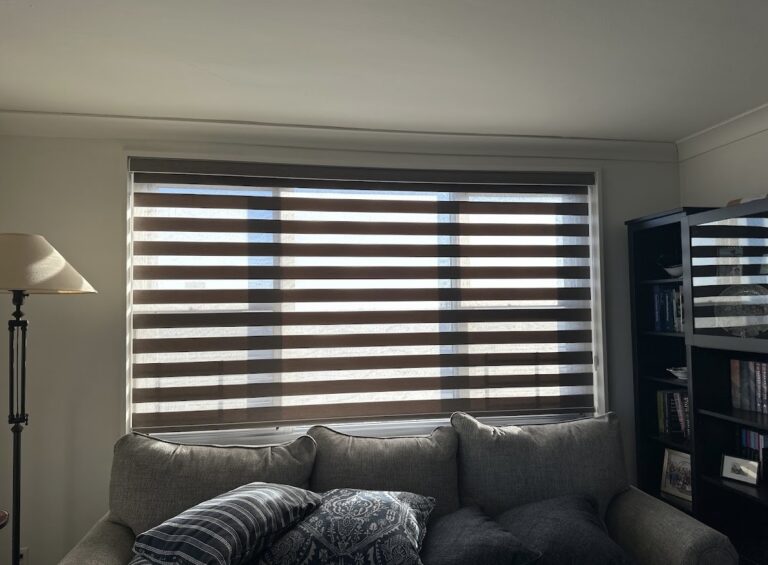
The step up, and the one renters overlook, is an inside-mount shade. A cellular shade or roller shade mounted inside the window frame attaches with two small brackets screwed into the top of the jamb, not the wall. Nothing touches the drywall or trim, and the holes stay hidden inside the frame. Ask your landlord first, but two screw holes in a jamb are an easier conversation than anchors in the drywall.
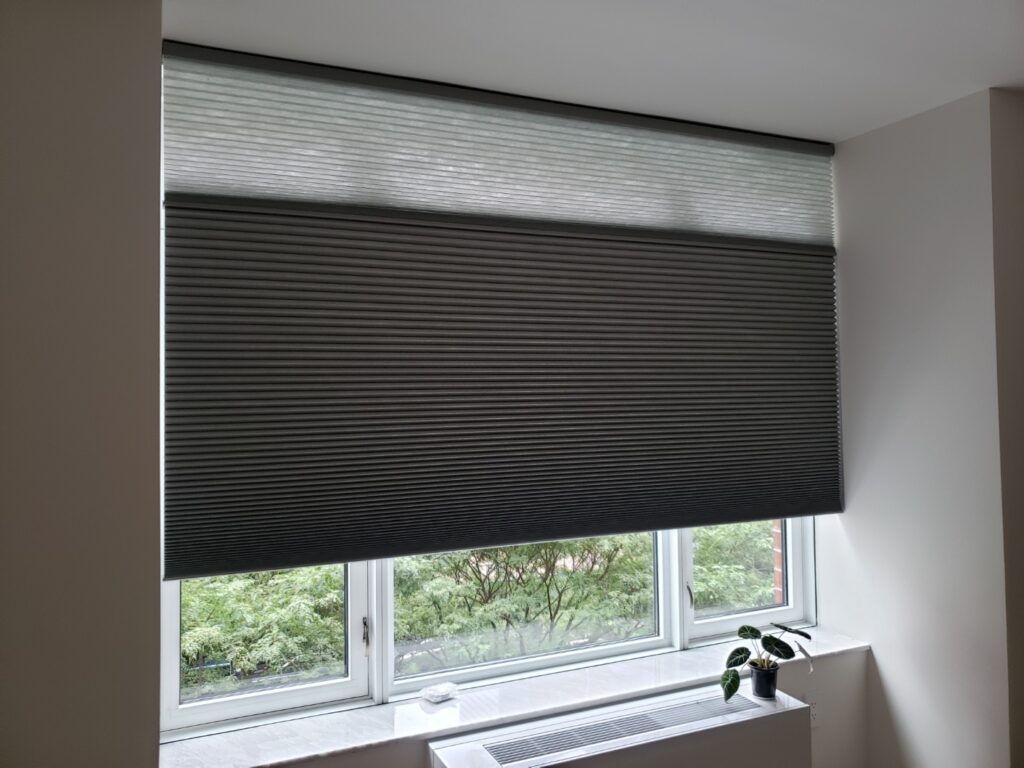
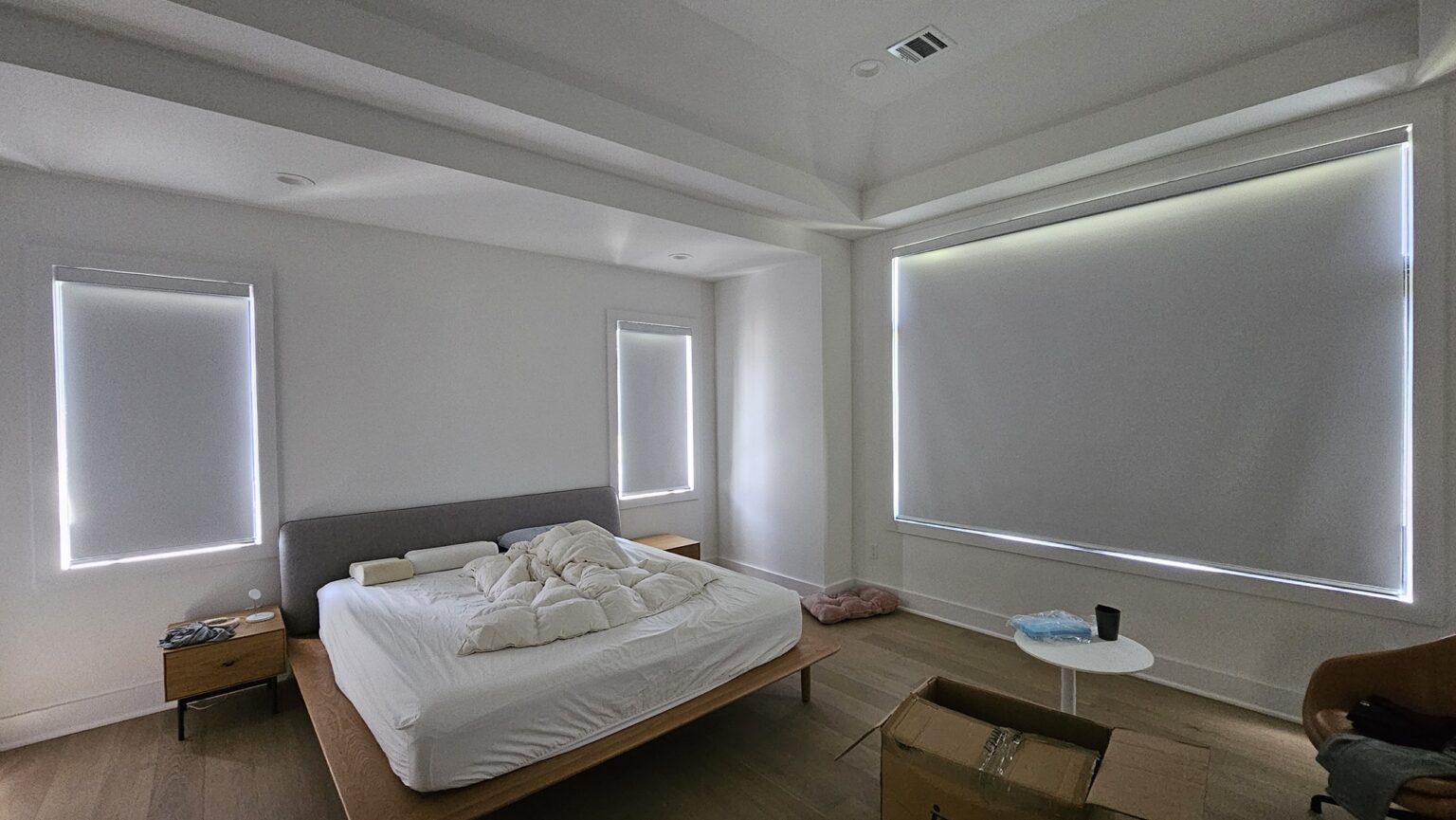
For a bedroom, a blackout shade inside the frame plus a sheer on a tension rod gives you darkness at night and softness by day with zero wall holes. For a living room where you still want the view, a light-filtering cellular or a zebra roller shade does the job alone. Browse the range on our shades page, and if privacy is the worry, read can people see through my blinds before you pick a fabric.
Without Sewing or Drilling: Hanging Ready-Made Panels
If you also want to skip the sewing machine, three shortcuts work with every method above:
- Clip rings. Clip the top edge of any flat-hemmed fabric, even a flat sheet, and slide the rings onto a tension or twist-and-fit rod. No rod pocket needed.
- Iron-on hem tape. Fold the top over 3 inches for a rod pocket, fuse it with the tape, and do the same at the bottom to set the length.
- Ready-made grommet or rod-pocket panels. Buy the standard length closest to your measurement (84, 96 or 108 inches). Our grommet curtains guide explains which rod diameters fit.
How to Hang Curtains Without Drilling: Match the Method to the Window
- Weight of fabric: sheers = tension rod or Velcro; medium drapes = adhesive hooks; heavy blackout = tap-in brackets or an inside-mount blackout shade.
- Wall material: painted drywall? Hooks or brackets. Tile or brick? Ceiling track. Metal? Magnetic rods.
- Tenant rules: confirm whether pinholes in wood trim or screws in the jamb are acceptable before you commit.
Common Mistakes to Avoid
- Mounting too low. Even no-drill curtains should start high, 4 inches above the frame or right at the ceiling line, to stretch the room.
- Forgetting center support. Windows wider than 60 inches need a third hook or bracket to stop the rod from bowing.
- Neglecting curtain length. Measure from the mounting point to the floor and subtract half an inch for a clean, puddle-free hem. See whether curtains should touch the floor.
Style Tips to Elevate Your No-Drill Curtains
- Hang high and wide. Mount hardware 4 to 6 inches above the frame (or at the ceiling) and extend it 6 to 10 inches past each side. The window reads larger.
- Steam before you hang. See how to get wrinkles out of curtains.
- Layer treatments. Pair no-drill curtains with an inside-mount shade for blackout performance and depth. See our layering guide.
From our own installs in Bergen County

How We Do It at the Showroom
The Curtain is a family-owned window-treatment showroom at 547 Broad Ave in Palisades Park, New Jersey, and we have served Bergen County since 2007. Owner and designer Sejun Park runs the showroom. Here is how we handle the no-drill question:
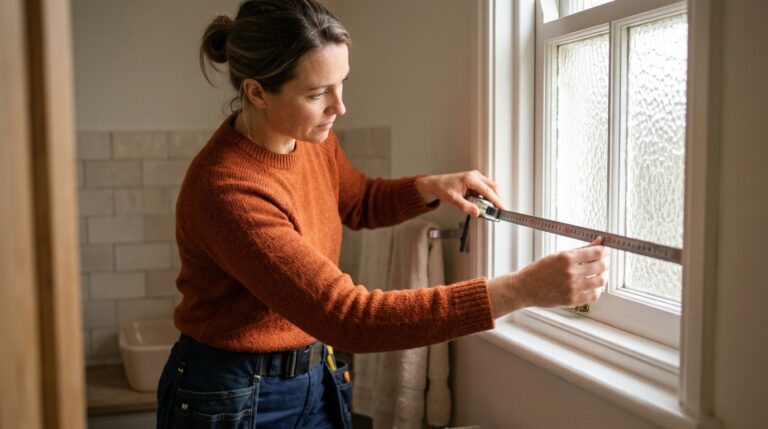
- A free in-home measurement. We measure each opening in your home and check what the frame will take: inside-mount depth, wood or metal jamb, and trim worth protecting.
- Inside-mount Hunter Douglas shades when the wall is off limits. We are a Hunter Douglas partner and sell and install their shades, blinds and shutters. Mounted inside the frame, a cellular or roller shade puts its brackets in the jamb and leaves the drywall untouched.
- Custom drapery when drilling is fine. If you own the home or your landlord signs off, we make custom drapery sized for a rod mounted high and wide, the look the no-drill methods only approximate.
- A written quote. You get the quote in writing before you commit to anything.
Call (201) 302-9111, book a free consultation, or check our service area to confirm we cover your town.