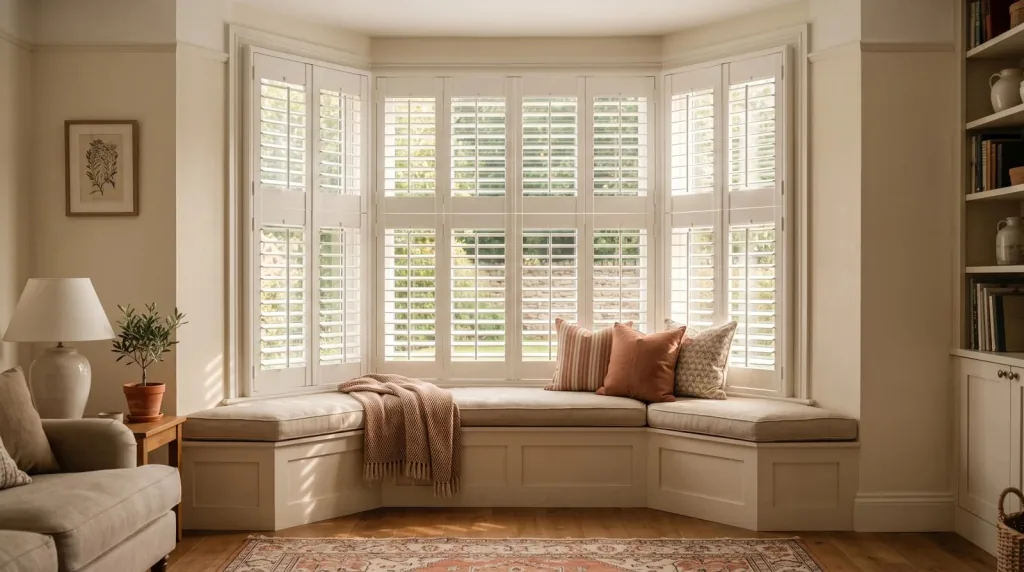
Choosing between the dozens of styles, materials, and price points on the market can turn a simple window upgrade into a frustrating research project. Showroom staff often push whatever earns the highest margin, not what actually suits your home. Window shutters remain one of the most durable, energy-efficient, and value-adding window treatments you can buy. But that’s only true if you pick the right configuration for your climate, budget, and architecture. This guide covers what matters in 2026: materials, mechanisms, real-world pricing, and installation pitfalls. Read it, and you shouldn’t need to second-guess your choice five years from now.
What Are Window Shutters and How Do They Work
Anatomy of a Shutter Panel
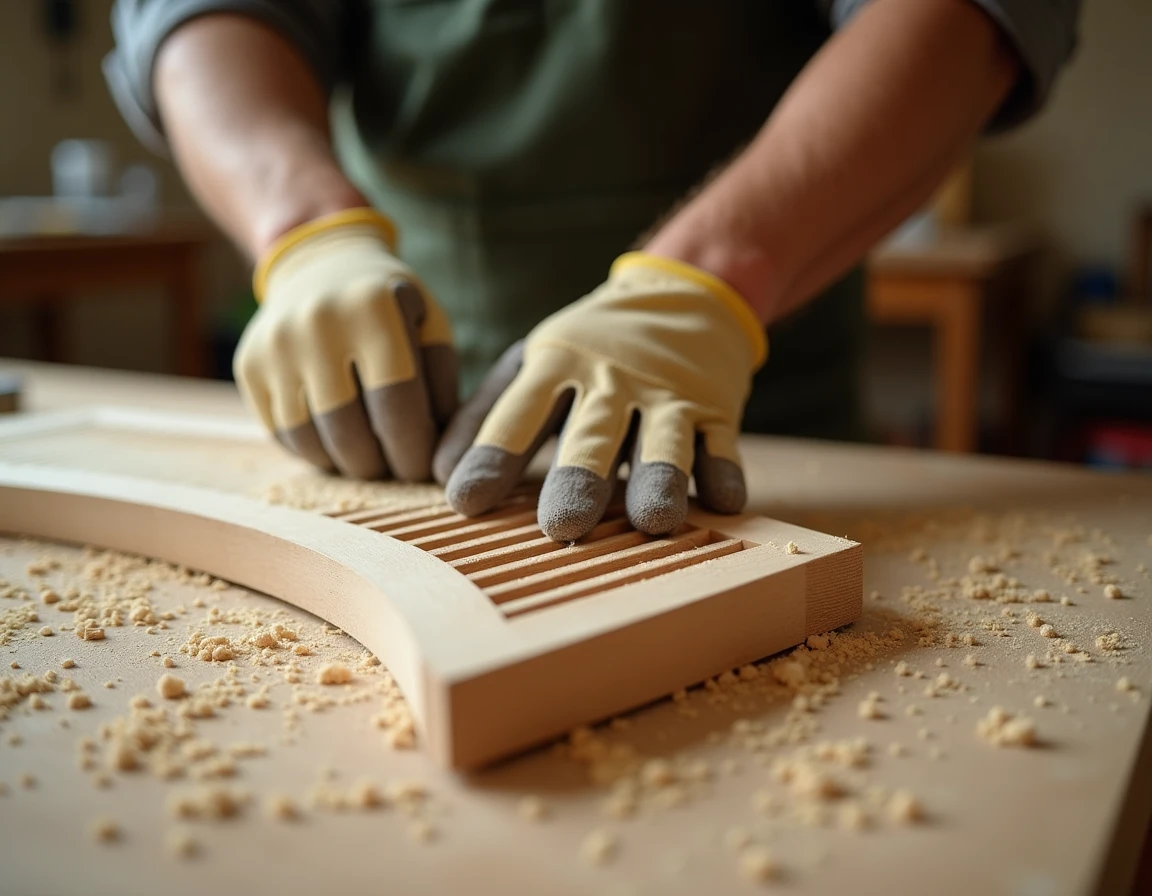
Every shutter panel has a few core parts. The frame holds everything together and attaches to the window. Inside it sit vertical stiles and horizontal rails. Between them are the louvers, the slats that tilt open and closed.
A center rail called a tilt rod, or a hidden tilt mechanism, connects the louvers so they move as one unit. Some panels split into top and bottom sections. That lets you open the top for light while keeping the bottom closed for privacy.
Plantation Shutters vs. Traditional Shutters
Plantation shutters feature wide louvers, usually 2.5 to 4.5 inches. They give a clean, modern look and let in more light when open. This is the most popular style in homes today.
Traditional shutters use narrower louvers, often under 2 inches. They suit historic or cottage-style homes and give a more detailed, classic appearance. Both styles work the same way mechanically. The louvers tilt on hinges, rotating to control light and airflow. Turning the tilt rod adjusts the angle, so owners can fine-tune brightness without opening the window itself.
Where Shutters Are Typically Installed
Shutters show up most often in living rooms, bedrooms, and kitchens. They handle humidity well, so they’re a strong choice for bathrooms too. Homeowners also use them on French doors and sliding glass doors.
Unusual window shapes benefit from custom shutters as well. Arched, angled, and bay windows can all be fitted with precision. For readers dealing with tricky shapes elsewhere in the home, the guide on how to hang curtains on arched window covers useful techniques. For more design ideas and room-by-room inspiration, browse the blog before making a final decision.
Types of Shutter Materials Explained
Real Wood Shutters
Real wood gives you a classic look. Basswood and poplar are common choices, both lightweight but strong. Grain patterns give each panel a unique, natural feel that many homeowners love.
Wood handles large window openings well. It resists warping better than cheaper woods, since kiln-dried basswood stays stable across seasons. Expect a higher price, often the top tier among shutter materials. Weight stays manageable, so hinges and frames rarely need reinforcement.
Moisture is the main concern. Wood can swell or crack in bathrooms and kitchens with heavy steam. Many homeowners choose a different material for those rooms instead. Just as picking different types of curtains depends on the room’s function, shutter material choice should match each space’s humidity level.
Composite and Faux Wood Shutters
Composite shutters blend wood fibers with polymer coatings. That mix resists moisture far better than solid wood. Many manufacturers rate composite panels safe for humid rooms, with no warping concerns.
These shutters cost less than real wood, often 15 to 25 percent cheaper. They weigh slightly more, though, which can affect hinge selection on wider panels. Durability is strong; composite resists dents and scratches from daily use, making it a solid pick for busy households with kids or pets.
Vinyl and PVC Shutters
Vinyl shutters are built for moisture-heavy spaces. Bathrooms, laundry rooms, and kitchens benefit most from this material. PVC panels won’t crack, peel, or swell, even under constant humidity.
Vinyl is the most affordable option, typically priced below both wood and composite. It’s also the heaviest per square foot, so larger panels may need sturdier frames. Cleaning is simple, similar to learning how to wash curtains: a damp cloth handles most dust and grime, no special products needed.
Choosing Louver Size and Frame Style
2.5-Inch vs. 3.5-Inch vs. 4.5-Inch Louvers
Louver size changes how much light and view you get. Smaller louvers, like 2.5-inch slats, suit traditional homes and smaller windows. Larger 4.5-inch louvers open up wider sightlines and let in more light with fewer bars blocking the view. Most homeowners today choose 3.5-inch or 4.5-inch louvers for a modern look.
Z-Frame, L-Frame, and Hang Strip Options
Frame style affects fit, light gaps, and finish. The table below breaks down common options and where each works best.
| Frame Type | Best Use | Light Gap | Visible Frame |
|---|---|---|---|
| Z-Frame | Outside mount | Minimal | Yes, decorative |
| L-Frame | Inside mount | Small | Slight lip only |
| Hang Strip | Inside mount, deep sills | None | Hidden |
| Deco Frame | Outside mount, uneven walls | Minimal | Yes, wide trim |
Matching Frame Style to Window Type
A hang strip works well when you want shutters to look built-in, with no visible hardware. Z-frames suit windows that need extra coverage or light blockage. For a closer look at fit options, see Plantation Shutters – Custom Interior Window Shutters. If you’re pairing shutters with soft treatments nearby, review how to hang curtains for balanced results.
Inside Mount vs. Outside Mount Shutters
When Inside Mount Works Best
An inside mount fits shutter panels directly inside the window frame. It creates a clean, built-in look that many homeowners prefer. The frame needs enough depth to hold the panels and hinges without rubbing against the glass or a window crank.
Most inside mount jobs need at least 3.5 inches of clear depth. The frame must also be square, or close to it. If the corners are badly out of alignment, panels may bind or leave gaps. A trained installer checks these measurements before recommending this style, since the frame carries the full weight of the louvers.
When to Choose Outside Mount
An outside mount attaches the frame to the wall, covering the window opening from outside. This works well on windows with shallow depth, uneven corners, or trim homeowners want to hide. It’s a common fix in older homes, where frames have shifted slightly over decades.
Outside mount also suits homeowners who want a bolder, more finished look. Larger frames project outward, adding visual weight to a plain window. For those exploring options beyond interior treatments, resources like Exterior Window Shutters | Transform Your Home’s Exterior show how this same logic extends outdoors.
Depth and Sill Considerations
Sill depth and obstructions like locks or cranks often decide the outcome. Shallow sills under 2 inches usually rule out inside mount entirely. Measure twice; it avoids costly remakes later.
Light control also shifts with mount type. Pairing shutters with layered fabric, similar to how the benefits of blackout curtains are described elsewhere, can darken a room further when needed.
Shutters vs. Blinds vs. Shades: Which Is Right for You
Durability and Lifespan Comparison
Shutters last far longer than most blinds or shades. Solid wood and composite panels resist warping, sagging, and cord wear. Blinds often need replacing every 5 to 8 years, especially with kids or pets around. Shades wear out faster in high-sun rooms, since fabric fades and stiffens.
| Treatment | Average Lifespan | Maintenance Level | Best For |
|---|---|---|---|
| Shutters | 20-25 years | Low — occasional dusting | Long-term homeowners |
| Wood Blinds | 7-10 years | Medium — cord and slat care | Budget-conscious buyers |
| Faux Wood Blinds | 5-8 years | Medium | Bathrooms, kitchens |
| Fabric Shades | 5-7 years | Higher — fading, staining | Renters, temporary spaces |
Light Control and Energy Efficiency
Adjustable louvers give shutters precise light control, better than most blinds. Plantation Shutters also add insulation, since solid panels seal tighter against the frame than thin slats. Shades filter light softly but rarely block it completely. For automated comparisons, this guide on automated blinds vs automated shades which smart window t… breaks down efficiency differences in more detail.
Cost and Long-Term Value
Shutters cost more upfront but hold value over time. Cost per year of use often favors shutters once you factor in fewer replacements. They also boost resale appeal, since buyers see them as a permanent home upgrade rather than a temporary window covering.
Customization Options for Custom Shutters
Colors, Finishes, and Hardware
A window shutter is more than a functional cover. It can match your trim, your cabinets, or your favorite accent wall. Paint finishes offer crisp, uniform color in whites, grays, and bold custom tones. Stain finishes highlight real wood grain for a warmer, natural look. Hardware choices affect both style and daily use.
- Hinges come in hidden, decorative, or heavy-duty styles depending on panel weight and traffic.
- Knobs and pulls range from brushed nickel to oil-rubbed bronze for a coordinated look.
- Magnetic or mechanical closures keep panels flush against the frame during windy conditions.
- Stain shades can be matched to existing hardwood floors or furniture for a cohesive room design.
- Paint finishes often include multiple sheen levels, from matte to semi-gloss, for different lighting needs.
Tilt Rod and Control Options
Louver control affects both appearance and daily convenience. A traditional center tilt rod is affordable and simple. A hidden tilt rod offers a cleaner front view. Motorized controls let you adjust louvers remotely, which helps with tall or hard-to-reach windows. Understanding custom curtains costs alongside these upgrades helps homeowners budget realistically before ordering.
Specialty and Arched Shapes
Many homes include unique window shapes that need custom solutions. Options include arches, circles, angled tops, and oversized bay configurations. Specialty shapes require precise measuring, since even small errors can throw off louver alignment and overall fit.
Solving Common Window Obstacles
Working Around Handles and Locks
Casement windows often have cranks and locks that stick into the room. A skilled measurer notes their exact placement before building your shutters. Panels can then be split, notched, or hinged so the hardware stays accessible. This small detail prevents daily frustration once installation is done.
Older homes also bring uneven or out-of-square frames. Walls settle, and wood frames warp slightly over decades. Precise measuring accounts for these irregularities, taking readings at multiple points rather than just one. Custom scribe pieces or filler strips can then close small gaps, giving a clean, finished look even when the opening itself isn’t perfectly square.
Bay, Bow, and Angled Windows
Bay and bow windows add depth and light but pose real fitting challenges. Each angled section typically needs its own frame, cut to match that window’s specific pitch. A single continuous panel simply won’t work across multiple angles without gaps or binding.
Angled or arched tops, common above bay windows, need custom-shaped frames rather than standard rectangles. Many homeowners debate shutters against softer options here; reviewing blinds vs curtains choosing the right window treatment can clarify which style suits an unusual window shape before you commit to a custom order.
Doors and Sliding Glass Panels
French doors need shutters that open and close with the door itself, so hinges and cutouts for handles get built into the design. Track systems for sliding glass panels use a bypass or bi-fold setup, letting large panels stack neatly to one side without blocking the doorway.
For added protection on patio doors, some homeowners also look at Exterior Shutters to guard against storms and sun. Combining both interior and exterior solutions gives doors full coverage year-round.
How Much Do Window Shutters Cost
Pricing depends mostly on material choice. The table below shows typical per-window ranges for a standard 36-inch by 60-inch window, installed.
| Material | Price Range (per window) | Best For |
|---|---|---|
| Vinyl | $150–$350 | Bathrooms, kitchens, budget projects |
| Composite/Engineered Wood | $250–$500 | High-traffic rooms, family homes |
| Basswood | $350–$700 | Mid-range custom builds |
| Premium Hardwood | $500–$1,200+ | Large windows, luxury interiors |
Average Cost by Material
Vinyl stays affordable because it’s mass-produced and moisture-resistant. Hardwood costs more due to milling, finishing, and labor. Composite sits in between, offering wood-like looks at lower prices.
Factors That Increase Pricing
Larger windows, arches, bay configurations, and hidden tilt-rods all raise costs. Custom stains and specialty hinges add further expense. Louver size choice also affects material use and price, so ask your consultant for exact quotes before ordering.
Budgeting for Installation
Installation typically runs $50 to $150 per window, depending on frame complexity and mounting type. Many local businesses bundle measuring, delivery, and installation into one quote. For exterior projects, reviewing Choosing and Installing Exterior Shutters helps homeowners understand added weatherproofing costs. If you’re also budgeting for soft treatments elsewhere, the best fabrics for curtains material pros and cons guide offers useful comparison pricing.

Best Rooms and Applications for Shutters
Living Rooms and Bedrooms
Living rooms benefit from plantation shutters because they control glare on TVs and screens. Wide louvers, often 3.5 to 4.5 inches, let in soft light while keeping the room private from the street. Many homeowners pair shutters with drapes for texture. If you want extra guidance on layering fabric, this guide on how to choose curtains for living room spaces offers helpful tips.
Bedrooms need strong light control for real rest. Full-height shutters with tight louver spacing block early sunrise light almost completely. Some families choose café-style shutters that cover only the lower half, keeping privacy at night while still letting morning light in. This works well in shared bedrooms or homes near busy streets.
Kitchens and Bathrooms
Kitchens face grease, steam, and constant handling. Vinyl or composite shutters resist moisture and wipe clean in seconds, unlike fabric shades that trap odors. Over a sink, café-style shutters are common, covering the bottom half of the window for privacy without blocking a view of the yard.
Bathrooms demand true moisture resistance. Vinyl shutters hold up in a shower-side window, while real wood can warp within months. Louvers set at a slight angle keep steam moving without sacrificing privacy, a small detail that matters near tubs and toilets.
Home Offices and Nurseries
Home offices need glare control for video calls and screen work. Adjustable louvers let workers redirect light without closing the room off completely. Nurseries call for near-total darkness during naptime, so tight louver spacing or added blackout backing helps babies sleep through afternoon sun. For hands-on learners, the video Building Custom Shutters | A DIY Guide shows how these features come together during construction.
Safety, Energy Efficiency, and Green Features
Child and Pet Safety Features
Shutters are naturally cordless, which makes them a safer choice for homes with kids and pets. Louvers open and close using a tilt rod or hidden mechanism, so there are no dangling cords to grab. If you compare products across your home, reading these curtain safety tips you need to know can help you spot hazards in other treatments too.
Insulation and Energy Savings
Shutters act as a solid barrier against outside temperatures. That means real energy savings throughout the year.
- Tight-fitting panels reduce drafts near the glass, keeping rooms warmer in winter.
- Solid slats block direct sunlight in summer, easing the load on air conditioners.
- A snug frame fit can trim heat loss through windows by a meaningful margin.
- Closed shutters add a layer of dead air space, boosting overall window insulation.
- Lower energy use often translates into noticeably smaller utility bills over time.
Sustainable Material Choices
Many homeowners now ask about eco-friendly materials before buying. Composite and engineered wood options often use recycled content and low-emission finishes. Responsibly harvested hardwoods are widely available too. These choices reduce environmental impact without sacrificing durability or style, giving buyers a greener option that still performs well for decades.
How to Order and Install Custom Shutters
Measuring Your Windows Correctly
Accurate measurements are the foundation of a good fit. A trained installer measures width and height at three points on each window, since frames often shift slightly with age. They also check depth, squareness, and any obstacles like handles or locks that could affect panel movement.
Consultation and Ordering Process
Most projects begin with an in-home consultation. A specialist reviews your goals, shows material samples, and explains the design process of custom window treatments so you know what to expect at each stage. After that visit, you’ll typically see:
- A written quote outlining materials, louver size, frame style, and total cost.
- A final measurement appointment to confirm exact specifications before ordering.
- A production timeline, since custom shutters are built to order rather than pulled from stock.
- A deposit requirement, usually 50 percent, with the balance due at installation.
- A confirmed delivery window, often four to eight weeks depending on material.
What to Expect During Installation
Installation day is usually quick. Most rooms take one to two hours per window, depending on frame type. The installer checks alignment, tests the hinges, and adjusts panels for smooth operation before finishing the job.
Caring for and Maintaining Your Shutters
Cleaning Wood and Composite Shutters
Regular dusting keeps shutters looking new. Use a microfiber cloth or a vacuum brush attachment weekly to clear dust from louvers and frames. For real wood shutters, avoid soaking cloths, since standing water can seep into joints and cause swelling over time. A barely damp cloth, followed by immediate drying, is the safest approach.
Composite and vinyl shutters handle moisture much better. These materials tolerate a mild soap solution and a damp sponge, making them a smart pick for kitchens and bathrooms. Wipe down louvers monthly, and check corners and tilt rods for grime buildup, since dust often collects in these tight spots.
If you’re refreshing an entire room’s window treatments, think holistically. Reviewing this how to choose curtains guide expert tips for every room can help you coordinate fabrics with shutters for a cohesive, low-maintenance look.
Hinge and Hardware Maintenance
Hinges and tilt bars endure daily wear. Check screws every six months and tighten any that feel loose. A few drops of silicone-based lubricant, applied twice a year, keeps hinges moving smoothly and prevents squeaking.
Inspect louver pins and control rods for cracks, especially on panels used often, like those in hallways or playrooms. Replacing a single worn hinge costs far less than repairing a sagging panel later.
Preventing Warping and Fading
Sunlight and humidity cause most long-term damage. Choose UV-resistant finishes for south-facing windows, and keep humidity below 50 percent near wood shutters. Rotate panels or adjust tilt angles seasonally to distribute sun exposure evenly, reducing uneven fading across the frame.
If you’re ready to see how the right shutters can transform your home, the team at The Curtain would love to help. As a family-owned business crafting custom window treatments since 2007, they bring genuine expertise to every consultation, including access to premium Hunter Douglas shutters paired with thoughtful design guidance and professional installation. Stop by or book a consultation today and let their experienced team help you find the perfect fit for your windows.